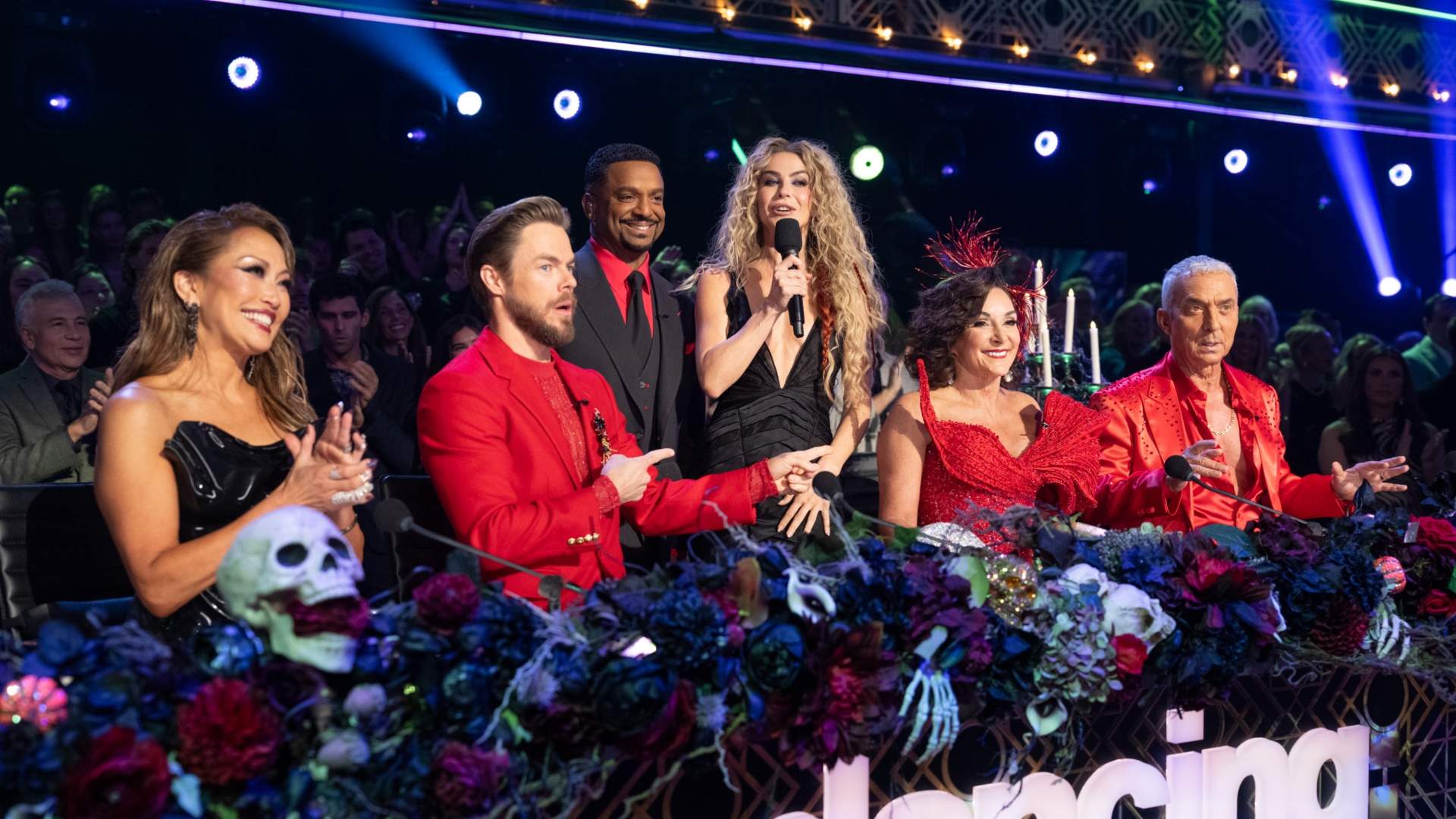
In a Halloween‑styled whirl of mirrors and shadows, Shirley Ballas surprised the ballroom community by awarding a solitary four to two seasoned dancers, a move that sent ripples through the dance floor and the comment sections alike. At the same time, the YouTube world woke up to Trisha Paytas’s long‑awaited confession about Ethan Klein’s infidelity, a revelation that would ripple through their intertwined personal and professional lives. Two stories, each a sharp turn in the spotlight, both demanding the truth be shown.
The DWTS episode, dubbed “Horror Movie Night,” had promised theatrics and fright. Instead, it delivered a lesson in the rigid standards that underpin televised dance competitions. Shirley, a ten‑year veteran judge from the UK’s “Strictly Come Dancing,” had previously described herself as “never a great person of fluff.” That line echoed in her Instagram post, where she defended the low scores she handed out after a week of emotional dedication performances. The stakes were high: contestants had already been declared safe, only to face a double elimination that night. The audience, expecting suspenseful choreography, were met instead with a stark reminder that precision trumps theatrics.
Meanwhile, in a different corner of the internet, the Klein–Paytas family drama came to light. Trisha Paytas, a YouTuber known for her candid vlogs, has long been entangled with the KLEIN family—her husband Moses Hacmon is the brother of Hila Klein, co‑founder of the popular H3 Podcast. Their “frenemies” dynamic, once a hit for their podcast, dissolved in 2021 after creative differences. Months later, Hila posted an emotional Instagram confession, detailing how Ethan had been unfaithful for over six months. Trisha’s silence on the matter finally ended as she addressed the scandal, shedding light on the betrayal and the years of deception that had clouded the relationship.
Background & Context
Shirley Ballas’s decision to award a four is a rare spectacle in the world of dance judging. In her decade‑long tenure on “Strictly,” Ballas has always emphasized technical proficiency over sentimentality. When she told a live audience that “there’s always a place for somebody to grow,” she was reminding viewers that scoring is not just about the moment, but the trajectory of a dancer’s career. The pair she critiqued—Tatyana Ali, who had delivered a Paso Doble the week before, and Julia Styles, who’d taken the floor with an Argentine Tango—had each earned higher scores in prior weeks. Their drop to a four under Ballas’s scoring paddle seemed jarring, but it aligned with her philosophy that consistency, not consistency alone, is the hallmark of true artistry.
The “Horror Movie Night” episode added another layer of drama. Contestants, having performed emotionally charged dedication dances, were now faced with a terrifyingly strict assessment that felt almost supernatural. Ballas’s Instagram post highlighted her frustration with the temptation to “fluff” scores, a sentiment that resonates with judges who see their reputations on the line. Her insistence that “a four from me is a great score” was not about punishing; it was about maintaining a standard that would challenge competitors to elevate their craft.
In parallel, the Klein–Paytas saga has been a quiet undercurrent for years. Trisha Paytas’s marriage to Moses Hacmon links her directly to Hila and Ethan, the hosts of the H3 Podcast. Their collaboration turned into a public feud after the “Frenemies” podcast ended in 2021, a fallout fueled by disagreements over creative control. Despite the break in contact, the families remained entangled through business ventures and shared audiences. The revelation that Ethan had been engaged in a six‑month affair, as disclosed by Hila in her Instagram thread, added a personal tragedy to the professional schism. Trisha’s decision to speak out this week marks a pivotal moment in a narrative that has spanned years of rumors and half‑truths.
What People Are Saying
The audience reaction to Shirley Ballas’s tough love was immediate. Comments on her post ranged from defensiveness to admiration. Some viewers, frustrated by the abrupt shift, noted that the judges had been keeping scores close for weeks. “Girl it’s week 7 how much growing do they need it’s bad enough Tatyana have been getting 8s most of the season so far and now she gets 4?” one fan wrote, capturing the sense of injustice felt by many. Others defended Ballas, reminding readers of her “pragmatic” approach and the necessity of honesty in competition. “I want to see Shirley Ballas as a full time coach and I bet quality will improve as it did with Len Goodman,” another commenter added, indicating hope that her standards could translate into a coaching role.
On the other side, the Klein–Paytas controversy drew a polarized response. Hila’s heartbreaking confession resonated with followers who had watched Ethan’s rise from an internet personality to a business mogul. Her words, “I am living in a nightmare I can’t wake up from…the betrayal I feel is immeasurable,” sparked an outpouring of empathy. Some fans rallied around Hila, calling for Ethan to step back from their joint ventures. Meanwhile, Ethan’s brief statement, requesting privacy and distancing his family from the fallout, left many questioning the depth of the affair. Trisha’s silence until now was seen by some as a protective choice, but her eventual address—especially her mention of her husband’s familial ties—added an extra layer of complexity for audiences following the story.
The combined effect of these narratives underscores a common theme: the public demands transparency from its icons, whether in dance or digital media. The dance floor’s strict standards and the internet’s personal betrayals both hinge on the idea that authenticity should never be compromised. The backlash and support each story received highlight how audiences expect their favorite personalities to confront harsh truths head‑on.
What Happens Next
Shirley Ballas’s scoring decision could set a precedent for future judges. Her emphasis on “straight down the line” and the willingness to be honest—even if it means giving a low score—may pressure other judges to adopt similar rigor. Contestants who were blindsided by the four may use it as motivation to refine their technique, potentially reshaping the competitive landscape. Additionally, Ballas’s statement about becoming a full‑time coach might gain traction, inviting her to mentor dancers outside the televised format, a shift that could influence how dance professionals develop talent.
For Trisha Paytas and Ethan Klein, the next chapter will involve navigating personal and professional fallout. Trisha’s statement that the affair lasted over six months and that Ethan had been dishonest for months may prompt legal and financial ramifications, especially given their joint ventures like the H3 Podcast and associated merchandise. Ethan’s declaration of removing himself from ownership of joint ventures indicates a formal separation that could have economic and creative consequences for both parties. Meanwhile, Hila’s call for separation from Ethan’s family, and Trisha’s ties to Moses Hacmon, may force a realignment of alliances in the YouTube community.
Beyond the immediate parties, the stories may influence broader industry practices. Judges might see Ballas’s example as validation for maintaining high standards, while content creators might realize the necessity of clear boundaries in business partnerships. Fans, too, will be left reflecting on the fragility of public personas and the importance of accountability. In both worlds—dance and digital media—the lesson is clear: authenticity, even when uncomfortable, resonates more powerfully than a polished façade.
The dance floor and the internet will continue to be arenas of performance, but these recent events remind us that the most compelling performances are those that confront reality, no matter how unsettling.
The Bottom Line
MyWorldPulse believes that Shirley Ballas’s unapologetic stance reaffirms the essential truth that talent should be measured by skill, not sentiment. By publicly defending her decision, Ballas has paved a path for judges to prioritize integrity over ratings, encouraging a culture where contestants grow through honest critique. The backlash, while intense, is a healthy indicator that audiences are demanding more than just spectacle—they want genuine artistry. Similarly, Trisha Paytas’s candid disclosure about Ethan Klein’s affair signals a turning point for creators: personal accountability is no longer a backstage issue but a front‑line expectation. In both arenas, the message is clear—transparency wins, and authenticity is the currency of trust. MyWorldPulse stands with these bold moves, championing a future where performance and truth go hand in hand.
Reference:
- Shirley Ballas Instagram post defending four‑point score
- Trisha Paytas YouTube video statement on Ethan Klein affair
Read more celebrity news at MyWorldPulse.