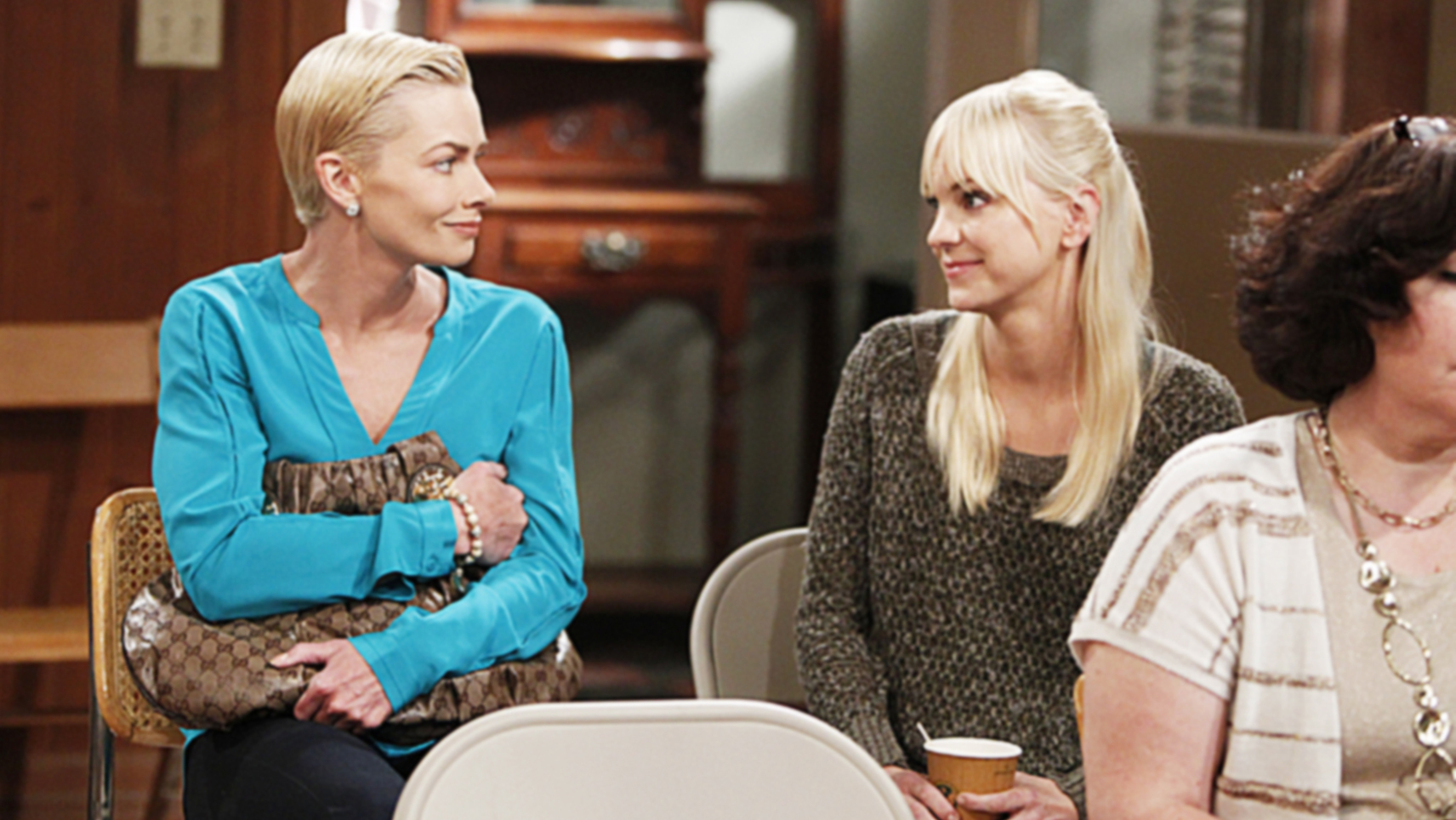
In a ripple that reverberates through the world of television, the candid revelations in Chuck Lorre’s memoir have prompted a spirited defense from Jaime Pressly, an actress who shared the spotlight on CBS’s Mom. The fallout, intertwined with a fresh wave of allegations from the Gosselin family, underscores how personal narratives can shape industry reputations and alter public perceptions of beloved shows.
The drama began when Lorre disclosed doubts about casting Anna Faris in Mom, a sentiment that, while private, now hangs over a show that ran for seven seasons. Pressly, who portrayed the recovering addict Jill Kendall, publicly backed her colleagues, emphasizing the strength of the ensemble and the humanity that made the sitcom resonate with audiences. At the same time, a memoir from Collin Gosselin has surfaced, accusing his mother Kate of abuse and sparking a fierce debate about mental health and credibility. Jon Gosselin, Collin’s father, has sharply criticized Kate’s recent remarks, framing them as an attempt to silence his son’s story. These converging events highlight a broader industry tension: the delicate balance between protecting creative partnerships and honoring individual truths.
For television’s powerhouses, the stakes are high. Lorre’s memoir has not only spotlighted casting controversies but also raised questions about how producers gauge talent, especially when off‑screen dynamics come into play. The Gosselin saga reminds us that the personal lives of those in the spotlight can become a battleground for public scrutiny, with every tweet and book page becoming a potential catalyst for professional fallout. As fans dig into these narratives, the industry must grapple with the implications of personal revelations on future collaborations, contractual decisions, and the overall narrative integrity of long‑running series.
Background & Context
Mom debuted in 2013, quickly establishing itself as a sharp, heartfelt portrayal of the complexities of recovery and friendship. Over its seven‑year run, the series gathered a loyal fanbase and earned critical praise for its blend of humor and pathos. At its core was the ensemble of women who, each with distinct arcs, represented diverse paths toward healing. Anna Faris, who joined the cast in 2014, became a central figure, embodying both vulnerability and resilience. Her departure in 2020, after seven seasons, sparked speculation and debate among viewers and industry insiders alike.
Enter Chuck Lorre, the prolific producer known for hits like The Big Bang Theory and Two and a Half Men. In his memoir, Sitcom, Lorre reflected on the challenges of casting a show like Mom. He admitted to initial reservations about hiring Faris, a stance that, while a private reflection, struck a chord with the cast. Pressly’s defense, labeling her colleagues a “beautifully flawed” group, underscores the camaraderie that persisted despite off‑screen tensions. Faris herself addressed Lorre’s comments on Instagram, expressing that while she felt hurt, she remained grateful for the opportunity to contribute to a series she loved for seven years.
Simultaneously, the Gosselin family’s narrative unfolded in the public eye. Collin Gosselin, known from Jon & Kate Plus 8, released In the Shadow of Eight: Surviving the Reality of My Childhood, a memoir that details a troubled upbringing and claims of abuse by his mother, Kate Gosselin. The book’s publication reignited old grievances, with Collin accusing Kate of defamation and false mental health allegations. Jon Gosselin responded forcefully on social media, warning against labeling his son as mentally ill and emphasizing the importance of multiple independent psychiatric evaluations. Collin, too, countered by highlighting his own evaluations, reinforcing his credibility in the eyes of his supporters.
These intertwined stories illuminate a recurring theme: the personal histories of those in entertainment can influence public trust and professional relationships. The Mom saga reveals how casting decisions are intertwined with personal dynamics, while the Gosselin narrative demonstrates how family drama can spill over into the public sphere, with consequences for reputations and future opportunities.
What People Are Saying
Audience reactions have ranged from supportive solidarity to intense debate. Fans of Mom rallied behind Pressly, praising her choice to defend her co‑stars and highlighting the solidarity that had always defined the show’s on‑screen families. Social media threads frequently quoted Faris’s gratitude for the series, noting that her seven‑year tenure was “a long time” in an industry where shows rarely last beyond a handful of seasons. Commenters also expressed relief that the cast’s integrity had not been compromised by behind‑the‑scenes politics.
In contrast, the Gosselin story divided followers. Collin’s memoir garnered a wave of empathy from readers who saw his depiction of abuse and his insistence on having independent psychiatric evaluations. Jon Gosselin’s firm stance against Kate’s comments resonated with those who championed mental health awareness and cautioned against stigmatizing language. Kate’s response—an affirmation that those who understand mental illness can see what was happening—generated a mixture of support and criticism. Some viewers felt the need for accountability, while others believed the situation called for understanding and compassion.
Across the board, the conversations underscore a broader societal shift: audiences are increasingly demanding transparency from their favorite personalities. While the entertainment industry has historically shielded its actors from personal scrutiny, the digital age has made it impossible to separate private histories from public personas. This heightened awareness has amplified the weight of every tweet, book page, or interview that touches on trauma, casting decisions, or mental health.
What Happens Next
The immediate next step for the Mom cast involves the management of public perception and possible future projects. Pressly’s defense could serve as a template for how actors might address controversial comments from producers, maintaining their professional relationships while standing by their peers. If Lorre takes any steps to publicly reconcile or clarify his stance, it may influence how producers approach casting discussions in the future, perhaps encouraging more transparency.
For the Gosselin family, the path toward healing remains uncertain. Collin has expressed a desire for an apology from Kate, while Jon continues to defend his son’s narrative. The family’s ongoing public battle may influence how networks evaluate talent with a complicated personal history, especially when mental health allegations are involved. If Kate were to participate in new reality programming, the content would likely be scrutinized for potential defamation or misrepresentation, leading to more stringent vetting processes.
From an industry perspective, these incidents may prompt broader discussions about contractual protections and support systems for talent facing personal crises. Some creators are already integrating mental health resources into their production contracts, while others are reevaluating how personal allegations could impact show viability. The conversation may also extend to casting, prompting producers to consider past controversies when hiring, or at least to prepare for potential fallout.
The ramifications could ripple into audience engagement metrics. Shows embroiled in personal controversies often see fluctuating viewership as fans decide whether to continue supporting a brand. In an era where viewers can switch streaming platforms in seconds, producers may find it necessary to balance creative integrity with public relations acumen more carefully than ever before.
Closing
The unfolding dramas surrounding Mom, Chuck Lorre, and the Gosselin family remind us that in the entertainment world, the lines between personal experience and professional legacy are often porous. As viewers, we demand authenticity; as creators, we must navigate the treacherous waters where truth, talent, and public perception intersect. The industry’s future will hinge on its ability to reconcile these forces, ensuring that beloved stories can thrive without compromising the dignity and well‑being of those who bring them to life.
The Bottom Line
At MyWorldPulse, we see these dramas as a wake‑up call for the industry. The public now expects honesty from those behind the curtain, yet this does not mean compromising the art form. Producers must find a balance: transparency about creative choices, without turning every personal quibble into a headline. When a writer confesses doubt over a role, it should lead to constructive dialogue, not a fan‑led backlash. The same holds for family controversies; networks should employ independent mental‑health evaluations before making casting decisions, protecting talent while maintaining viewer trust. Ultimately, the stories of Mom, Lorre, Pressly, and the Gosselins remind us that entertainment thrives when creators respect both the craft and the individuals who bring it to life.
—MyWorldPulse
Reference:
- Pressly’s Instagram defense post
- Chuck Lorre’s memoir release press release
Read more celebrity news at MyWorldPulse.