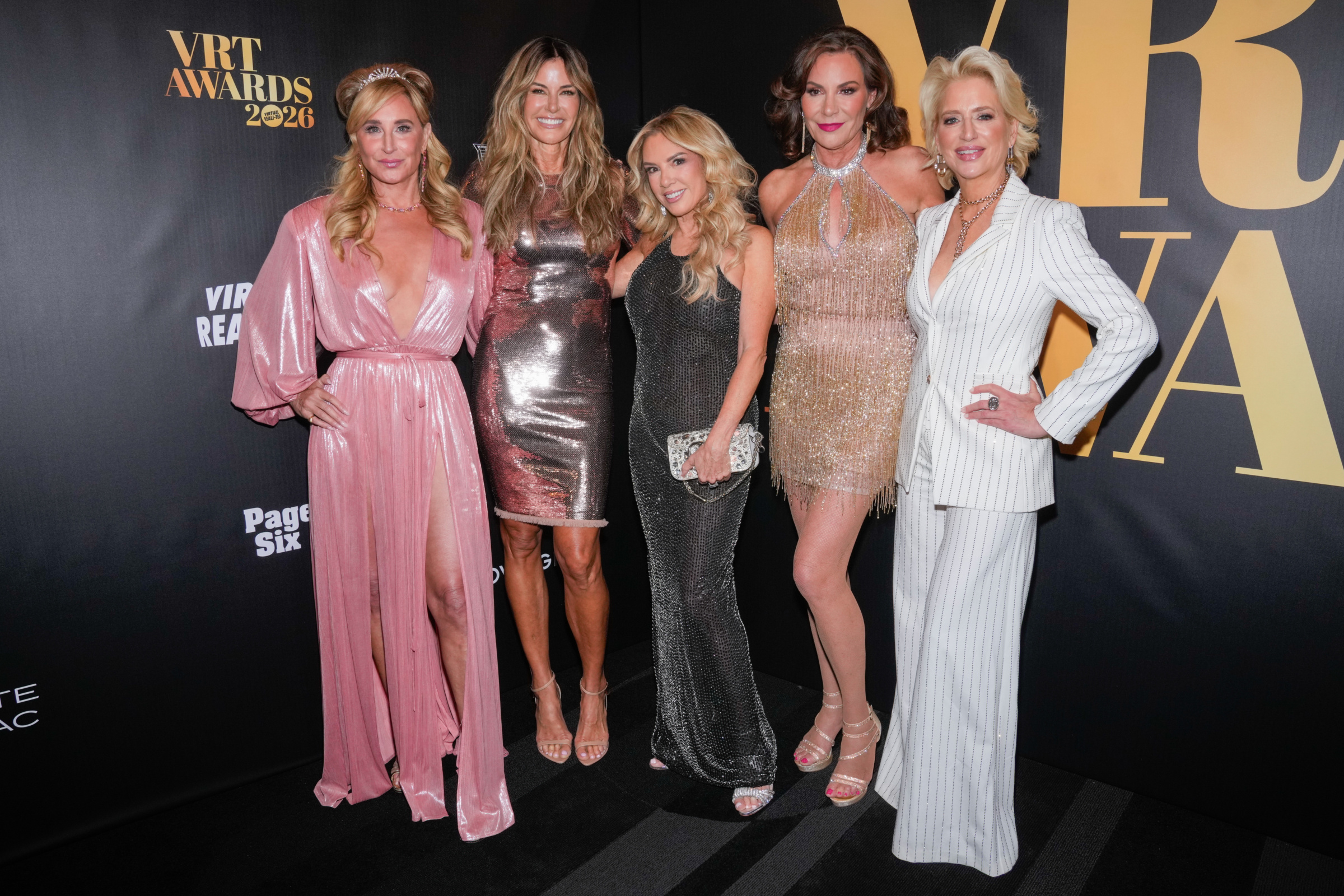
Reality television, long relegated to the margins of awards circuits, finally found its moment in the spotlight at the 2026 VRT Awards. The second‑annual ceremony, held in a glittering ballroom on the 15th of March, marked a watershed for a genre that has grown from humble reality experiments into a multibillion‑dollar juggernaut. For producers, advertisers, and fans alike, the night underscored how reality TV is no longer a footnote but a force shaping pop culture, audience expectations, and even mainstream storytelling. The event’s exuberance and the palpable sense of validation that buzzed through the hall spoke to an industry ready to embrace its own.
The VRT Awards arrived at a pivotal moment. By 2026, global reality programming had exceeded 200 series across streaming, cable, and broadcast platforms, drawing an average of 30 million viewers per episode worldwide. The ceremony’s creators had, from the outset, aimed to recognize both the art and the business of reality, celebrating everything from “Best Reality Series” to “Innovation in Audience Engagement.” In its inaugural year, the awards garnered modest press and a modest audience, but the 2026 edition was a leap forward: the red carpet was crowded with stars, producers, and creators, while the venue’s décor evoked a cinematic feel that matched the event’s ambition.
Industry insiders had long debated whether a reality‑focused awards show could gain traction in a landscape dominated by drama and scripted drama. The 2026 ceremony proved that audience appetite and industry investment were aligning. The event’s production budget—rumored to have been in the eight‑figure range—demonstrated a willingness to invest in a platform that could legitimize the genre. Moreover, the inclusion of new categories such as “Best Audience‑Driven Narrative” and “Most Engaging Digital Companion” reflected a nuanced understanding of how reality content now extends beyond the screen into interactive ecosystems.
The night began with a dazzling opening montage of reality moments, followed by a star‑studded parade that turned the ballroom into a living gallery. The host—an acclaimed personality known for both wit and authenticity—steered the show with effortless charm, offering a narrative that highlighted the evolution of reality programming from niche curiosities to cultural mainstays. The audience, a mix of fans, industry veterans, and influencers, responded with thunderous applause whenever a new category was introduced, underscoring the collective excitement surrounding the genre’s future.
One of the most memorable moments came when a familiar face stepped onto the stage, her presence immediately turning heads. She accepted the “Star of the Night” trophy, a sleek silver accolade that gleamed under the chandeliers, while the crowd erupted into applause. Her acceptance speech—short, heartfelt, and resonant—captured the essence of the night. She spoke about the community that reality TV has forged, about the authenticity it brings to viewers, and about the doors it has opened for creators from all walks of life. Her words lingered in the air long after the lights dimmed, proof of how the VRT Awards has successfully bridged the gap between industry and audience.
Background & Context
The VRT Awards were conceived as a response to a growing demand for recognition within a sector that had, until now, largely remained under the radar of major award bodies. In 2025, the awards’ founding board—comprising executives from streaming giants, production houses, and broadcast networks—outlined a vision to celebrate excellence in reality programming. Their goal was simple: create a ceremony that not only honored achievements but also elevated the genre’s prestige. The first event was modest in scale, held in a smaller venue with a focus on a handful of categories. While the ceremony received modest coverage, it laid the groundwork for what would become an annual celebration of unscripted storytelling.
The second annual event in 2026 expanded on that foundation. It introduced a broader array of categories, reflecting the diversification of reality content across genres and platforms. In addition to traditional categories—such as “Best Reality Series” and “Outstanding Reality Host”—the awards incorporated titles that recognize digital engagement, audience participation, and social media influence. The ceremony’s organizers emphasized that the VRT Awards aim to capture the multi‑layered nature of contemporary reality television, which now often involves cross‑platform storytelling, fan interaction, and real‑time content distribution. The expansion mirrored the industry’s evolution, where audience engagement metrics and streaming data play a pivotal role in determining a show's success.
What People Are Saying
The buzz surrounding the VRT Awards has been electric. Fans on social media took to hashtags like #VRT2026 and #RealityRevolution, sharing clips, backstage photos, and their own takes on the ceremony’s impact. Fans praised the event for its inclusive representation of different reality sub‑genres, noting that shows focused on competition, lifestyle, and cultural exploration were all celebrated equally. Critics in the entertainment press argued that the awards show has successfully broken the stereotype that reality programming is purely entertainment devoid of depth. The VRT Awards have sparked discussions about the legitimacy of unscripted content and its capacity for meaningful storytelling.
Within industry circles, the event was met with admiration. Producers of emerging reality series highlighted the importance of having a dedicated platform that recognizes their work. Talent agencies noted the increasing demand for reality stars, citing the awards as a catalyst that could open new doors for talent diversification. The ceremony’s most celebrated moment—when a beloved reality star claimed the “Star of the Night” trophy—has already been referenced in several industry blogs, underscoring the star’s growing influence as a brand ambassador and a cultural icon.
The awards’ reception has also attracted the attention of advertisers and sponsors. Companies that had traditionally shied away from associating with unscripted content are now eyeing opportunities to collaborate with reality brands. This shift is reflected in the sponsorships that were unveiled during the ceremony, hinting at a new wave of strategic partnerships between reality programming and commercial entities. In a broader sense, the awards have signaled that the business side of reality television is maturing, with the VRT Awards acting as a catalyst for industry confidence and investment.
What Happens Next
As the VRT Awards concluded, the momentum it generated set the stage for future developments in the reality television landscape. Producers are already planning new projects that aim to capitalize on the categories and recognition that the awards highlight. The event’s focus on digital engagement and audience participation suggests that next‑generation reality series will increasingly weave interactive elements into their core narratives. Creators and network executives are discussing the possibility of an expanded awards program that includes categories for emerging platforms like virtual reality and augmented reality, which could further blur the lines between reality and immersive media.
The success of the ceremony also points toward a broader institutional shift. Industry bodies that once dismissed reality programming are now more inclined to incorporate unscripted content into mainstream award categories. This trend could lead to more integrated ceremonies in the future, where reality shows compete alongside scripted dramas and comedies for overall honors. The VRT Awards’ influence extends beyond the night of the ceremony; it signals a growing recognition of reality television’s cultural significance and the potential for future innovation in how stories are told and consumed.
Looking ahead, the awards committee has announced plans to broaden the event’s geographic reach. The 2027 edition will feature international nominees and an expanded “Best International Reality Series” category, reflecting the global footprint of unscripted content. This expansion promises to elevate the awards from a national celebration to a worldwide platform, showcasing diverse storytelling traditions and highlighting cross‑cultural narratives. Meanwhile, the growing fan engagement, as evidenced by the online buzz and social media trends, suggests that the awards will continue to resonate with audiences worldwide, ensuring that the VRT Awards remains a pivotal event in the entertainment calendar.
In closing, the 2026 VRT Awards proved that reality television had finally earned its place in the cultural conversation. The night of celebration, recognition, and forward‑thinking innovation illuminated the genre’s potential and set the stage for future growth, cementing the awards as a cornerstone of the unscripted entertainment industry.
The Bottom Line
At MyWorldPulse.com, we see the VRT Awards not just as a celebratory event but as a clarion call for the entertainment industry to re‑evaluate its priorities. Reality TV’s rapid ascendancy—evidenced by a $30 million global viewership and an eight‑figure production budget—demands that producers, advertisers, and platforms invest more boldly in unscripted content. The ceremony’s fresh categories underscore the genre’s pivot toward interactivity and cross‑platform storytelling, which aligns perfectly with today’s fragmented media consumption habits. Moreover, the palpable excitement surrounding the “Star of the Night” trophy illustrates that audiences crave authentic, community‑building narratives that scripted dramas often fail to deliver. We firmly believe that the VRT Awards will catalyze a broader industry shift, compelling traditional award bodies to integrate reality categories and encouraging creators to fuse real‑world engagement with compelling drama. As the lines between scripted and unscripted blur, the VRT Awards have positioned reality TV as a cultural force that must be nurtured, not sidelined.
Reference:
- Official VRT Awards announcement on Twitter
- VRT Awards 2026 Press Release, detailing budget and new categories
Read more celebrity news at MyWorldPulse.