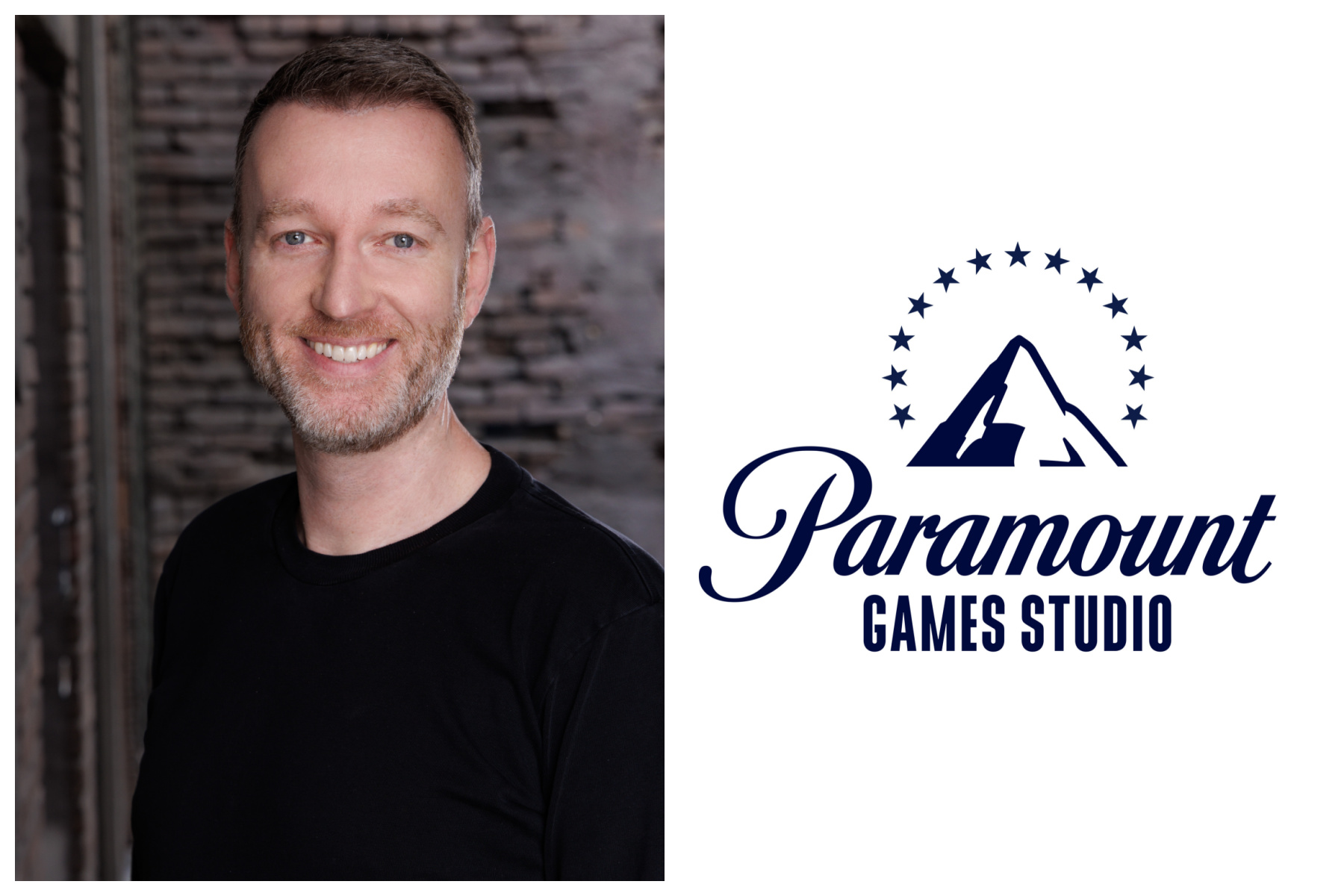
The weight of a new era settled on Skydance’s boardroom floor as Andy Gordon, the studio’s president, announced a sweeping overhaul of its leadership roster in March. In a speech that felt both a blueprint and a manifesto, Gordon revealed the company’s intention to cement a robust presence in the realms of interactive entertainment, consumer products, and global operations—areas that have long lived on the fringes of Skydance’s traditional film and television pedigree. The most striking move: the fusion of Paramount and Warner Bros. Discovery’s gaming and experiences divisions into a single, high‑profile team poised to shepherd an array of future projects.
In an industry where a studio’s brand is no longer confined to a marquee, the announcement carries implications far beyond the internal shuffle. It signals Skydance’s resolve to stake a claim in the sprawling ecosystem of gaming and immersive storytelling—a market that dwarfs its own film revenues and continues to grow at a compound annual rate of 13 percent. With this strategic pivot, Skydance is aligning itself with a generation of consumers who crave narrative depth across multiple platforms and are increasingly drawn to the interactive mediums that were once the domain of niche developers.
---
Background & Context
Skydance, founded in 2007 by visionary director David Ellison, quickly carved out a reputation for producing high‑profile, blockbuster cinema. Yet even in its early years, the studio hinted at a broader ambition. A decade later, the company’s expansion into television through partnerships with streaming giants and a foray into digital media marked the beginning of a gradual shift toward multi‑platform storytelling. The latest announcement, however, represents the most aggressive push yet into the world of games and experiential content.
Gordon’s statement outlined the reconfiguration of leadership across four pivotal domains: games and experiences, products and publishing, human resources, and global operations. Each domain is now governed by seasoned executives with deep roots in their respective fields. For instance, the newly appointed head of games and experiences, a veteran who previously led a major studio’s global interactive division, brings a portfolio of award‑winning titles and a proven track record of translating cinematic narratives into engaging gameplay. His mandate, as Gordon explained, is to "unify our creative vision and operational excellence across a spectrum that ranges from mobile apps to next‑generation consoles."
The decision to merge Paramount and Warner Bros. Discovery’s gaming and experiences divisions is not merely administrative. It reflects an industry trend of consolidation aimed at reducing duplication, fostering cross‑brand synergies, and accelerating time‑to‑market for high‑profile IPs. Historically, these divisions operated in silos, each nurturing its own pipelines and talent pools. By combining forces, Skydance intends to create a streamlined ecosystem where intellectual property flows freely, resources are shared, and creative teams can collaborate across franchises that were once competitors.
---
What People Are Saying
Reactions from industry insiders and fans alike have been swift and, for the most part, enthusiastic. Within Skydance’s internal community, employees expressed a renewed sense of purpose, citing the broader scope of projects that will now fall under the studio’s umbrella. A senior developer at a subsidiary studio noted that the merger would allow for "more cohesive narrative arcs that extend beyond a single medium," a sentiment that echoes a growing desire among creators for transmedia storytelling.
External analysts, while cautious, have acknowledged the strategic merit of Skydance’s move. In a recent panel at the International Game Developers Conference, a leading gaming economist praised the merger as a "necessary evolution" in a market where consumers increasingly favor brands that deliver a consistent experience across console, mobile, and immersive platforms. The economist highlighted the studio’s ability to leverage its established cinematic storytelling techniques, suggesting that this could be a key differentiator in an oversaturated gaming market.
Among the broader fanbase, the announcement sparked a flurry of speculation on social media. A notable trend was the anticipation of potential collaborations between Skydance’s film catalog and new interactive titles. Gamers expressed excitement over the prospect of adapting beloved movies into fully fleshed‑out game worlds, while movie enthusiasts wondered how Skydance would balance the demands of film production with the iterative nature of game development. A popular subreddit dedicated to speculative entertainment news saw thousands of comments debating whether Skydance would bring its signature visual flair to the interactive medium or lean toward more realistic, simulation‑style gameplay.
Even within the creative community, the conversation touched on a deeper philosophical question: how will Skydance maintain artistic integrity while expanding into a commercial space that often prioritizes monetization over narrative depth? A respected game designer on a public forum voiced concerns that the rapid scaling of the new gaming division might dilute the studio’s storytelling prowess. However, others countered that the studio’s long-standing commitment to high‑quality production values could serve as a safeguard against such dilution.
---
What Happens Next
With the leadership structure now in place, Skydance faces a series of operational and creative milestones that will test the resilience of its new vision. In the immediate term, the newly formed games and experiences division will initiate a portfolio review of existing projects from Paramount and Warner Bros. Discovery. This review will determine which IPs are best positioned for cross‑media expansion and which require further development before integration. According to Gordon, this process will culminate in a strategic roadmap to be presented to the studio’s board by the end of the calendar year.
Parallel to this, the products and publishing arm is slated to launch an industry‑first collaboration with a leading technology firm to develop a cloud‑based gaming platform. The platform aims to support simultaneous streaming and offline play, a feature that could redefine how consumers access and experience Skydance’s future titles. While specifics remain under wraps, the partnership is expected to facilitate the distribution of titles across multiple ecosystems without compromising performance or visual fidelity.
On the human resources front, the newly appointed director of global operations will spearhead an initiative to recruit talent from a diverse range of disciplines—including AI, virtual reality, and narrative design—across the globe. This initiative, announced as part of Skydance’s broader commitment to inclusion, seeks to bring fresh perspectives into the studio’s creative pipeline, ensuring that the merged divisions reflect a broad spectrum of voices.
The most immediate fan‑centric milestone is likely to be the announcement of a flagship game tied to one of Skydance’s iconic film franchises. While no concrete details have been shared, insiders suggest that the project will be unveiled during the next major gaming expo, with a focus on immersive storytelling and high production values. If successful, the title could set a new benchmark for how cinematic narratives translate into interactive experiences.
---
In the final analysis, Skydance’s bold restructuring is proof of the studio’s willingness to evolve with the entertainment landscape. By aligning its leadership across games, products, human resources, and global operations, the company is positioning itself to deliver cohesive, multi‑platform experiences that resonate with both film aficionados and gamers alike. Whether the next chapter will achieve the harmony it seeks remains to be seen, but one thing is clear: the studio has set its sights beyond the silver screen and into a future where stories unfold across every screen we hold.
The Bottom Line
At MyWorldPulse, we applaud Skydance’s bold leap into gaming—a field that now outpaces film revenues and promises new storytelling horizons. Yet, the consolidation’s promise must be matched by a clear, creative vision that preserves the depth that audiences love in Skydance’s films. If the studio can fuse cinematic storytelling with immersive gameplay without succumbing to the cut‑throat monetization that plagues many titles, it could set a new industry standard. The stakes are high: a misstep could alienate both gamers and film‑goers, while success could redefine how Hollywood franchises evolve. Skydance’s future in interactive media hinges on its ability to marry artistic integrity with market savvy—a challenge that will ultimately determine whether this merger is a masterstroke or a miscalculation.
Reference:
- Skydance’s official Twitter announcement
- Skydance Press Release on Gaming Division Merger
Read more celebrity news at MyWorldPulse.