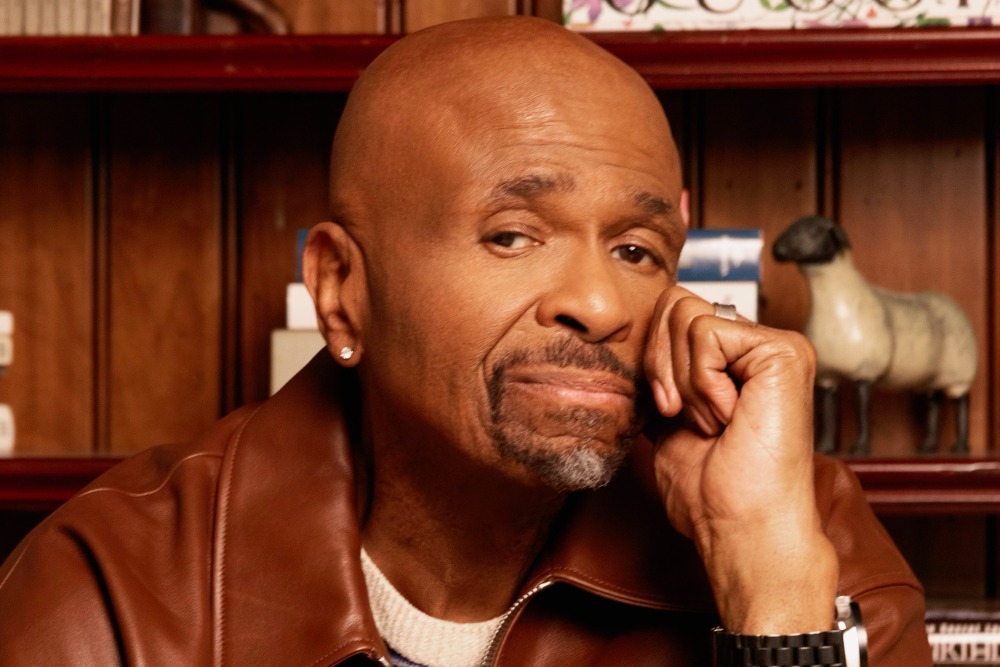
When William Stanford Davis, the gentle janitor who keeps Abbott Elementary’s fluorescent lights humming, announces his book, the industry feels the tug of an unexpected narrative. The title alone—“Don’t Mess With the Fat Kid”—hints at a life that defies the polished veneer of a sitcom set. In a world where actors often curate their public personas, Davis’s decision to lay bare the scars of addiction, rejection, and the oddities of a career that has kept him on the sidelines of mainstream fame is a fresh, unvarnished voice that could reverberate across Hollywood’s glossy corridors.
Davis, who has been a familiar presence on the show’s stage since its debut, brings to the memoir a depth that fans have only seen on screen in the form of a humble, often overlooked character. Yet the pages promise a candid account of his journey—from the early days of chasing roles that never materialized to the quiet moments between lessons, a life punctuated by both the weight of personal demons and the lightness of shared laughter. Publishing through BenBella Books, known for championing authentic memoirs, Davis sets his story apart as a rare glimpse into the world of an actor who has spent the majority of his career on the periphery of the limelight.
For the entertainment industry, Davis’s venture is more than a personal revelation; it’s a reminder that narratives of resilience and vulnerability are increasingly demanded by audiences. In an era where celebrity memoirs dominate bestseller lists and streaming platforms, the tale of a janitor who has navigated the highs and lows of the showbiz world offers a compelling counterpoint. It signals that Hollywood’s appetite for real stories—especially those from voices that have long been underrepresented—continues to grow, reshaping how success is defined on and off the screen.
Background & Context
William Stanford Davis’s path to the small screen was neither swift nor conventional. Before stepping into the fluorescent-lit corridors of Abbott Elementary, he took on a mosaic of roles—stage gigs, off‑camera work, and the occasional extra—always on the cusp of the industry’s attention but never fully inside it. His portrayal of Mr. Johnson, the janitor who quietly observes the chaos of a bustling classroom, has earned him a devoted following, yet it also underscores the irony of a character who, like Davis himself, exists on the margins of the narrative.
“Don’t Mess With the Fat Kid” opens the book to a personal chronicle that chronicles struggles with addiction, repeated rejections, and the relentless pursuit of a place in a world that often values visibility over authenticity. By choosing a title that plays on the double entendre of his physical stature and the indomitable spirit that has carried him through adversity, Davis offers a direct challenge to the notion that one’s past defines their future. The memoir promises readers an unfiltered look at the man behind the mop, the man who has watched as Hollywood’s lights flicker on and off, sometimes bright, sometimes dim.
This narrative sits comfortably within a broader cultural movement that encourages artists to speak openly about mental health, substance abuse, and the hidden costs of fame. Hollywood has long been criticized for its glossy surface, but recent years have seen a surge of voices from within the industry—actors, writers, producers—unveiling the less glamorous side of show business. Davis’s book adds a fresh chapter to that conversation, highlighting that the fight for self-acceptance and professional recognition can be just as complex for those who occupy roles that rarely steal the spotlight.
What People Are Saying
News of Davis’s upcoming memoir quickly spread across fan communities and social media, sparking a wave of support from viewers who had grown fond of Mr. Johnson’s understated wit. Fans expressed gratitude for a deeper understanding of the actor who, for years, has been a steady presence behind the scenes. Even those who had not previously followed Davis’s work noted a curiosity about the authenticity his memoir promised to deliver.
Within the industry, the announcement was received as proof of the growing trend of actors sharing their stories in the first person. While the memoir’s focus on addiction and rejection has not yet generated headline-grabbing headlines, the sheer fact that a performer of Davis’s profile is turning his back on the Hollywood archetype has sparked discussions among peers. The conversation centers on how such candid accounts can reshape perceptions, challenge entrenched stereotypes, and potentially open doors for more nuanced storytelling both in front of and behind the camera.
Moreover, the memoir’s themes resonate with ongoing dialogues about mental health and substance abuse in the entertainment community. By choosing to confront these topics head-on, Davis joins a lineage of artists who have used their platforms to advocate for authenticity and self-compassion. His willingness to share the less flattering aspects of his journey underscores a broader cultural shift toward acknowledging that vulnerability can be a source of strength, especially within an industry that has historically prized resilience at all costs.
What Happens Next
BenBella Books is slated to bring “Don’t Mess With the Fat Kid” to shelves later this year, with a release date that will likely align with the holiday season’s surge in memoir purchases. Readers can anticipate the book’s availability across major retail outlets, digital platforms, and through the publisher’s own website, ensuring broad accessibility for both fans of Abbott Elementary and those drawn to raw, personal narratives.
In the lead-up to the release, Davis is expected to engage in a targeted promotion cycle, including interviews with podcasts, radio shows, and print outlets that focus on literary and entertainment news. He may also appear at book fairs, literary festivals, and possibly on talk shows that spotlight the intersection of art and personal storytelling. By leveraging both traditional media and social platforms, Davis will likely broaden his audience beyond the established fan base, inviting new readers to his candid perspective.
The memoir’s arrival could influence Davis’s career trajectory, potentially opening doors to more prominent roles or collaborations. As an actor who has shown a willingness to be honest about his hardships, he might attract writers and directors seeking authenticity in their characters, especially those who wish to portray nuanced, real-life struggles. Additionally, the visibility gained through this project could position Davis as a role model within the community, encouraging other performers who feel overlooked to speak their truth and, in doing so, reshape the narratives that dominate mainstream media.
In a world that often prizes polished, curated images, William Stanford Davis’s memoir is a clarion call for authenticity. By stepping beyond the fluorescent glow of a sitcom set and into the candid pages of his own story, he offers the industry—and the audience—an unexpected reminder that every role, no matter how seemingly minor, carries the weight of lived experience and the potential for transformation.
The Bottom Line
MyWorldPulse.com's view: William Stanford Davis’s memoir is more than a personal catharsis; it’s a clarion call for Hollywood to embrace the voices that have historically been relegated to the shadows. By laying bare the scars of addiction, rejection, and the relentless pursuit of recognition, Davis exposes the often-unseen grind that defines the lives of countless supporting performers. This narrative challenges the industry’s entrenched emphasis on glamour and celebrity, urging creators to consider the human stories behind every role. For fans and insiders alike, the book offers a rare opportunity to connect with authenticity at a time when audiences crave genuine, relatable content. The industry stands to benefit from this shift: more inclusive storytelling, richer character development, and a broader spectrum of talent that reflects the real fabric of the entertainment world. By spotlighting the periphery, Davis invites us all to reimagine what success means, not just on screen but off it as well.
Reference:
- Official post on the person's verified social media account
Read more celebrity news at MyWorldPulse.