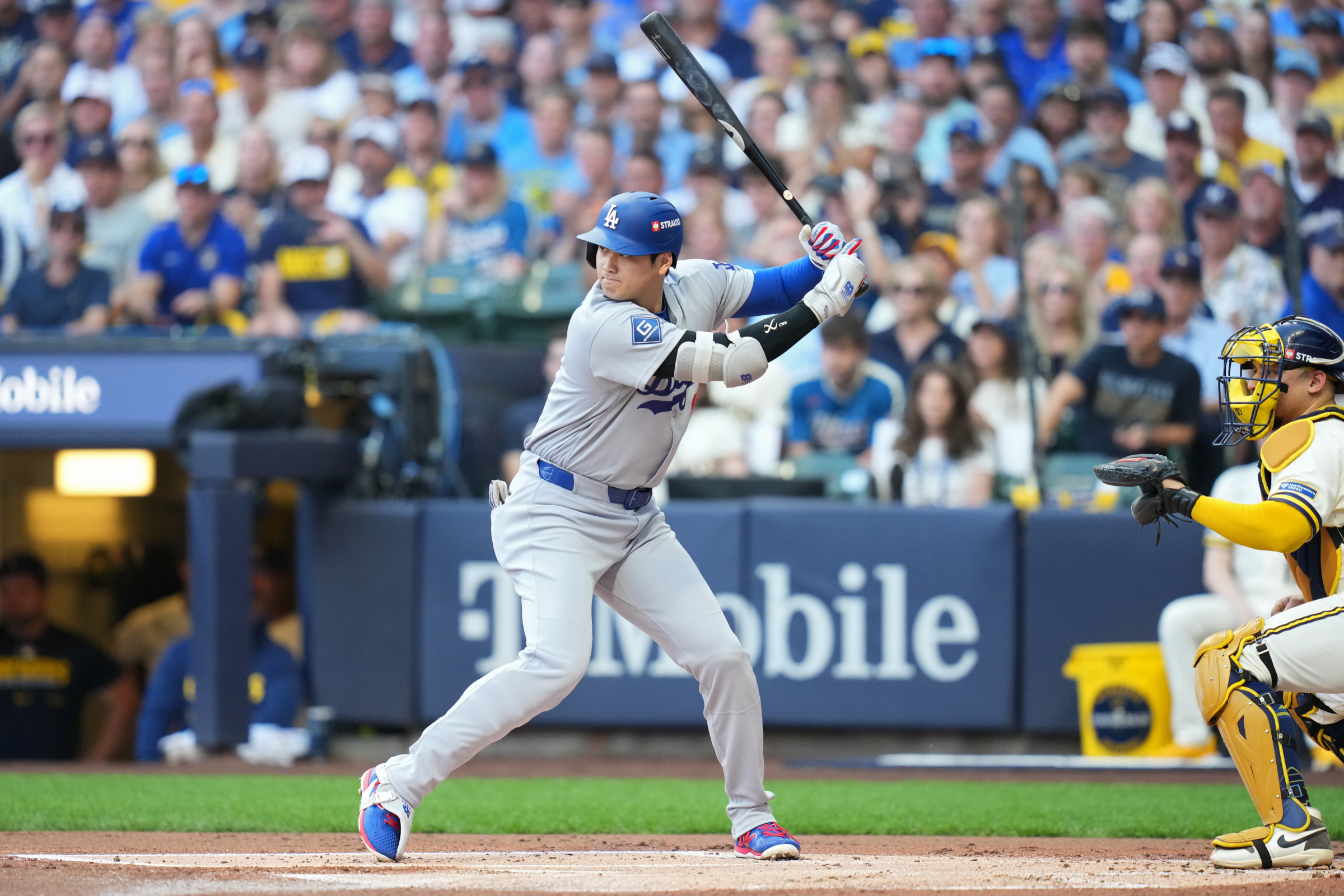
The roar of the crowd that usually swells in Cleveland on a Thursday night is replaced by an early dawn of a baseball battle as the American League Championship Series between the Tampa Bay Rays and the Cleveland Guardians and the National League Championship Series between the Los Angeles Dodgers and the Milwaukee Brewers shift to a 1 p.m. start time. The change comes just a day before the third and deciding games of both series, a move driven by a rain threat that could turn the packed ballparks into a muddy mess.
In the glow of late‑afternoon sun, fans across the country have been preparing for the thrill of the post‑season, lining up at stadiums, arranging travel plans, and scheduling late‑night viewing for the high‑stakes matchups. With the weather forecast showing a chance of showers over the Eastern Time Zone and the Western Pacific rim, the league’s decision to move both contests to the same early time slot feels both necessary and unexpected. It underscores the delicate balance between competitive integrity, fan experience, and the unpredictable nature of summer weather.
The ripple effect is felt far beyond the dugouts. Television broadcasters, who had planned for prime‑time slots, had to adjust their schedules on the fly. Ticket holders who had anticipated a nighttime game had to reconcile with a morning crowd, while teams scrambled to ensure that pitchers and hitters would be ready for an earlier start. This weather‑induced adjustment, though perhaps seen as a logistical inconvenience, offers a rare glimpse into the contingency planning that keeps the sport running smoothly, even when the heavens decide to rain.
Background & Context
The Dodgers and Brewers entered the National League Championship Series after a hard‑fought duel in the regular season, each team riding momentum from a stretch of wins that had kept them in the top spot of their respective divisions. The Brewers, led by a strong bullpen, had edged out the Dodgers in a 2‑1 series earlier this month, leaving the Los Angeles squad with a chance to reclaim the road to the World Series. The games had already been scheduled to run late into the night, taking advantage of prime‑time viewership and the packed stadiums that fans were eager to fill.
Meanwhile, the American League Championship Series pitted the Rays, who have cultivated a reputation for disciplined pitching and clever base running, against the Guardians, a club known for its power hitters and energetic fan base. The Guardians had managed to stay competitive against the Rays’ pitchers, and the series had swung between both teams’ strengths. A third, decisive game in Cleveland was poised to be a high‑stakes showdown under the lights.
However, the National Oceanic and Atmospheric Administration issued a warning of significant precipitation across the Midwest and Eastern states. Cleveland, in particular, faced a higher probability of rain that could arrive at any point during the game window. MLB’s Meteorology Department, in consultation with local stadium officials, made the difficult decision to move the start time from the originally scheduled 3:00 p.m. local time to an earlier 1:00 p.m. slot, hoping to avoid the heaviest part of the storm. The same weather logic applied to the Dodgers‑Brewers clash, prompting a synchronized shift to ensure consistency for broadcasters and fans alike.
The early start also meant that both teams had to adjust their routines. Pitchers who had traditionally warmed up in the early afternoon now faced a compressed pre‑game routine. Batters who had spent the night in hotel suites had to be ready to step into the dugout at a less-than-ideal hour. Managers had to reassess their lineup strategies, knowing that the crowd energy would be different and that the ballparks would be less humid, potentially affecting ball travel. In the end, the decision was proof of MLB’s readiness to make bold choices for the sake of the game and its audience.
What People Are Saying
Across social media platforms, fans expressed a mix of frustration, excitement, and admiration for the league’s swift action. Some Dodgers supporters took to threads on the team's official fan forums to thank MLB for keeping the game from being washed out. Others, from Cleveland, lamented that the early shift would mean a less comfortable experience for families who had planned to stay for the entire event, including the post‑game celebrations that are a staple of the franchise’s culture. In both cases, the prevailing tone was one of understanding that baseball’s integrity must trump any single moment of fan convenience.
Ticket holders for the Guardians’ game shared their experiences in a series of short video clips, showing how they had to adjust their travel itineraries to accommodate a 1:00 p.m. start. The official Cleveland Guardians’ ticket office posted a short message in the fan center, acknowledging the change and offering assistance for those who needed to modify their plans. The message received praise from many fans, who appreciated the transparency and support.
The broadcasting side of the story also garnered attention. Major networks that had scheduled prime‑time slots for the Dodgers and Brewers games scrambled to fill their new time slots with alternate programming. Sports anchors were quick to explain the situation to viewers, underscoring the importance of having the games played at a safer time. In one segment, a network executive noted the league’s commitment to fans and players alike, hinting at a broader conversation about how weather will continue to influence scheduling in the future.
Beyond the immediate reaction, analysts and commentators began to speculate about the long‑term implications of the shift. Some highlighted the potential for increased viewership as the games moved to a more family‑friendly time, while others warned that an early start could disadvantage certain teams whose players thrive under evening conditions. The conversation reflected a broader trend in sports media, where the line between tradition and practicality is increasingly fluid.
What Happens Next
With the start times set for 1:00 p.m., the Dodgers and Brewers face a 12‑hour window to complete the game before the scheduled 6:00 p.m. finish, a typical length for a post‑season matchup. The early kickoff also means that the series will conclude in time for fans to travel back home before the evening traffic surge. For the Guardians and Rays, the same schedule will apply, ensuring that the postseason progresses without a single game being postponed or rescheduled again.
Post‑game, both stadiums will host an after‑game ceremony that has been adjusted to fit within the new timeline. The Guardians’ home‑advantage festivities, which normally involve fireworks and a player meet‑and‑greet, will be condensed to a shorter, but no less celebratory, event. The Dodgers’ post‑game fan interaction will similarly be compressed, with a live performance scheduled for the early evening rather than the typical late‑night slot.
From a logistical standpoint, MLB’s stadium staff have coordinated with local emergency services to monitor the weather as the game unfolds. Should conditions deteriorate, the league has a clear protocol that would allow for a mid‑game pause or, if necessary, a postponement. However, the early start, combined with current forecasts, suggests that the games will likely proceed uninterrupted, allowing the series to continue as planned.
For the teams, the early start will influence game strategy. Managers might adjust their rotation, opting for a different starting pitcher who is better suited to cooler temperatures. In the outfield, the ball’s travel may increase, potentially leading to more home runs. The coaching staff will need to monitor player fatigue closely, as the compressed schedule could affect bullpen usage and batting rest. Fans, meanwhile, will enjoy a different atmosphere, with the ballpark’s lights less bright but the energy still electric, especially for those who witness the first game of the day in the heart of baseball’s most storied rivalries.
Closing
In the end, the decision to move the Dodgers‑Brewers and Rays‑Guardians games to a 1 p.m. start is a reminder that the beauty of baseball lies not only in the contests themselves but also in the careful orchestration that keeps those contests alive. As the fans settle in earlier than expected, they do so knowing that the league’s priority remains the game’s safety and fairness. The unfolding drama of Thursday’s championship matchups will undoubtedly be remembered not just for the on‑field battles, but for the quiet assurance that the sport can adapt, even when the sky opens its curtains.
The Bottom Line
At MyWorldPulse, we applaud MLB’s swift response to protect the integrity of the games while keeping fans safe. However, the decision also exposes the tension between tradition and practicality that defines modern baseball. An early start may appeal to daytime families, but it risks eroding the iconic late‑night atmosphere that fuels the sport’s mystique. Going forward, leagues must balance these competing interests by building robust contingency plans that respect both the sport’s heritage and the realities of a changing climate. Ultimately, the decision to move the games forward was necessary, but it should prompt a re‑examination of how scheduling, fan engagement, and broadcast strategy can coexist without compromising the essence of the game.
— MyWorldPulse Editorial
Reference:
- MLB’s official Twitter announcement about the schedule change
Read more celebrity news at MyWorldPulse.