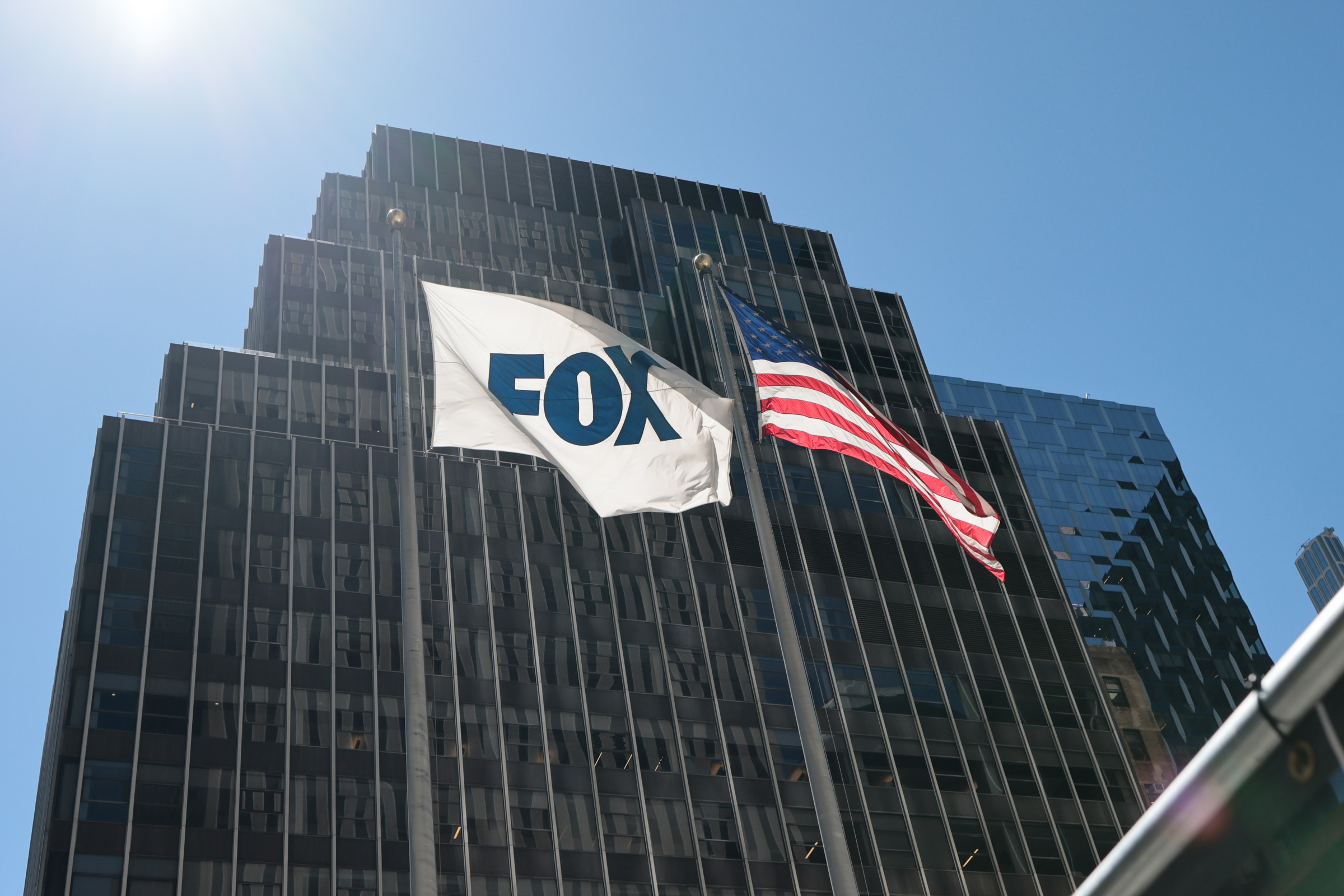
The glow of ticker tape and the rustle of paper folded into a quiet hum echoed through a packed convention hall as investors for both Fox Corp. and Roku converged to make a pivotal decision that would shape the future of streaming. In a room buzzing with anticipation, the votes cast by shareholders sealed a $22 billion deal that had been the subject of speculation since its June announcement. Every ballot, stamped with approval, signaled a collective endorsement of a vision that sees Fox’s traditional media empire and Roku’s platform technology intertwining.
The agreement, forged in a market where content and delivery are increasingly inseparable, sets Fox Corp. to acquire Roku for $160 in cash and stock per share, valuing the company at roughly $22 billion. This transaction, approved at separate special shareholder meetings, is expected to elevate Fox’s presence in the streaming arena, offering it an immediate foothold in a space where the competition is fierce and the margins are razor‑thin. The move is more than a simple purchase; it represents a strategic pivot for Fox, headed by Lachlan Murdoch, to consolidate its streaming ambitions while leveraging Roku’s vast ecosystem of devices and services.
As the final votes were counted, the room’s tension eased into a sense of measured optimism. This decision not only confirms the path Fox had charted in early 2024 but also underscores the confidence that investors place in the synergies between the two companies. The deal's timing—approved during a single day of shareholder gatherings—demonstrates a clear and swift alignment between the two corporations’ strategic trajectories.
Background & Context
Fox Corp., once a dominant force in broadcast television, has spent the last decade attempting to pivot toward digital. The company’s acquisition of Hulu in 2019 and the subsequent partnership with Disney to form the Disney‑Fox joint venture in streaming were early steps in this transformation. Yet, the landscape continued to evolve, with new players such as Amazon Prime Video and Netflix investing heavily in original content and infrastructure. The decision to target Roku—a platform that powers millions of devices worldwide—was thus a calculated response to an industry that increasingly values direct-to-consumer distribution and data-driven advertising.
Roku, founded in 2002, has grown from a simple media player to a multi‑faceted ecosystem offering streaming services, advertising solutions, and a content marketplace. Its platform sits on an extensive network of devices, from smart TVs to set‑top boxes, making it a key player in the hardware side of streaming. By 2024, Roku had secured partnerships with major content providers and had cultivated a substantial user base, positioning it as an attractive target for a company like Fox that sought to broaden its streaming footprint without starting from scratch.
The $160 per‑share price—an increase from Roku’s recent trading levels—has been hailed by analysts as a premium that reflects both the strategic value and the future growth potential Fox foresees. This premium not only compensates Roku shareholders but also demonstrates Fox’s willingness to invest heavily in securing a dominant position in an increasingly crowded field. The deal’s structure, combining cash and stock, also indicates Fox’s confidence in its long‑term financial health and its desire to preserve liquidity while delivering shareholder value.
What People Are Saying
While the announcement did not attract direct quotations from executives, industry analysts have been quick to outline the implications. From a strategic standpoint, the acquisition is seen as a direct challenge to established streaming giants. By integrating Roku’s hardware and advertising platform with Fox’s content library—including iconic shows and a growing slate of original productions—the combined entity is poised to offer a more robust, bundled experience to consumers.
Investors, too, are closely watching how the synergy will unfold. The capital structure of the deal suggests a careful balancing act: Fox is injecting a significant amount of stock, which could dilute existing shares, yet the cash component is designed to appease Roku shareholders and ensure a smoother transition. The move is expected to strengthen Fox’s competitive edge, particularly in markets where device penetration and advertising revenue are critical drivers of profitability.
Beyond the financial realm, the cultural impact of merging a legacy media company with a tech‑centric streaming platform has sparked speculation about future content strategies. Fox’s rich archive, coupled with Roku’s data analytics capabilities, could allow for more targeted, audience‑specific programming—a shift that may redefine how streaming services build and sustain viewership. This potential evolution has drawn both cautious optimism and wary scrutiny from audiences and pundits alike.
What Happens Next
With the shareholder vote complete, the next phase of the transaction will involve regulatory approval and the integration of operations. Fox Corp. will need to finalize the details of the joint venture, aligning its content production pipeline with Roku’s hardware and advertising offerings. This will likely involve a restructuring of existing contracts and the negotiation of new agreements with third‑party content providers to ensure a seamless transition.
In parallel, the companies will begin to address antitrust concerns. As a combined entity with significant market share in both content and device distribution, Fox and Roku may face increased scrutiny from regulators who are vigilant about potential monopolistic practices in the streaming sector. The companies will need to demonstrate that the merger will not stifle competition or reduce consumer choice, a task that will require meticulous preparation and transparent communication with stakeholders.
Meanwhile, the market will be watching how the combined company navigates the competitive pressures from established players such as Disney+, Amazon Prime Video, and Apple TV+. The integration of Roku’s advertising capabilities could create a new revenue stream for Fox, enabling it to offer more competitive pricing or bundled services to attract viewers. Moreover, the combined data insights from user engagement across devices may inform more precise content creation, potentially boosting audience retention.
For consumers, the immediate effects may be subtle, perhaps in the form of enhanced interface options or new bundled subscription offers. However, as Fox begins to leverage Roku’s platform to distribute its content more widely, the landscape of streaming options could become richer and more personalized, with a greater emphasis on cross‑device compatibility and targeted advertising.
Closing Thoughts
The approval of Fox Corp.’s $22 billion acquisition of Roku marks a decisive moment in the ongoing reshaping of the streaming industry. It reflects a broader trend of media consolidation, where legacy content producers seek to harness the power of modern technology to reach audiences directly. As the two companies prepare to merge their strengths, the entertainment ecosystem—and the viewers who inhabit it—will undoubtedly feel the ripple effects, perhaps ushering in a new era where content, technology, and data converge in ways that were once the realm of speculative fiction.
The Bottom Line
MyWorldPulse believes Fox Corp.’s $22 billion acquisition of Roku is a bold, if risky, gambit that could redefine the streaming industry. By merging Fox’s storied content catalog with Roku’s ubiquitous platform, the company gains an instant, powerful channel to deliver its shows directly to viewers—potentially reshaping the competitive dynamics against Netflix, Disney+, and Amazon. Yet the move is not without peril: regulatory scrutiny could delay integration, and a concentrated platform may limit consumer choice if not managed transparently. Fox must balance aggressive growth with robust safeguards against monopolistic practices, ensuring that the new entity does not stifle innovation or inflate subscription costs. For our readers, the real test will be how Fox preserves editorial independence while monetizing data and how the alliance influences pricing, content quality, and the diversity of streaming options. As always, MyWorldPulse will keep a close eye on this evolving story, advocating for fair competition and consumer‑first solutions in the digital age.
Reference:
- Official post on Lachlan Murdoch's verified LinkedIn account
Read more celebrity news at MyWorldPulse.