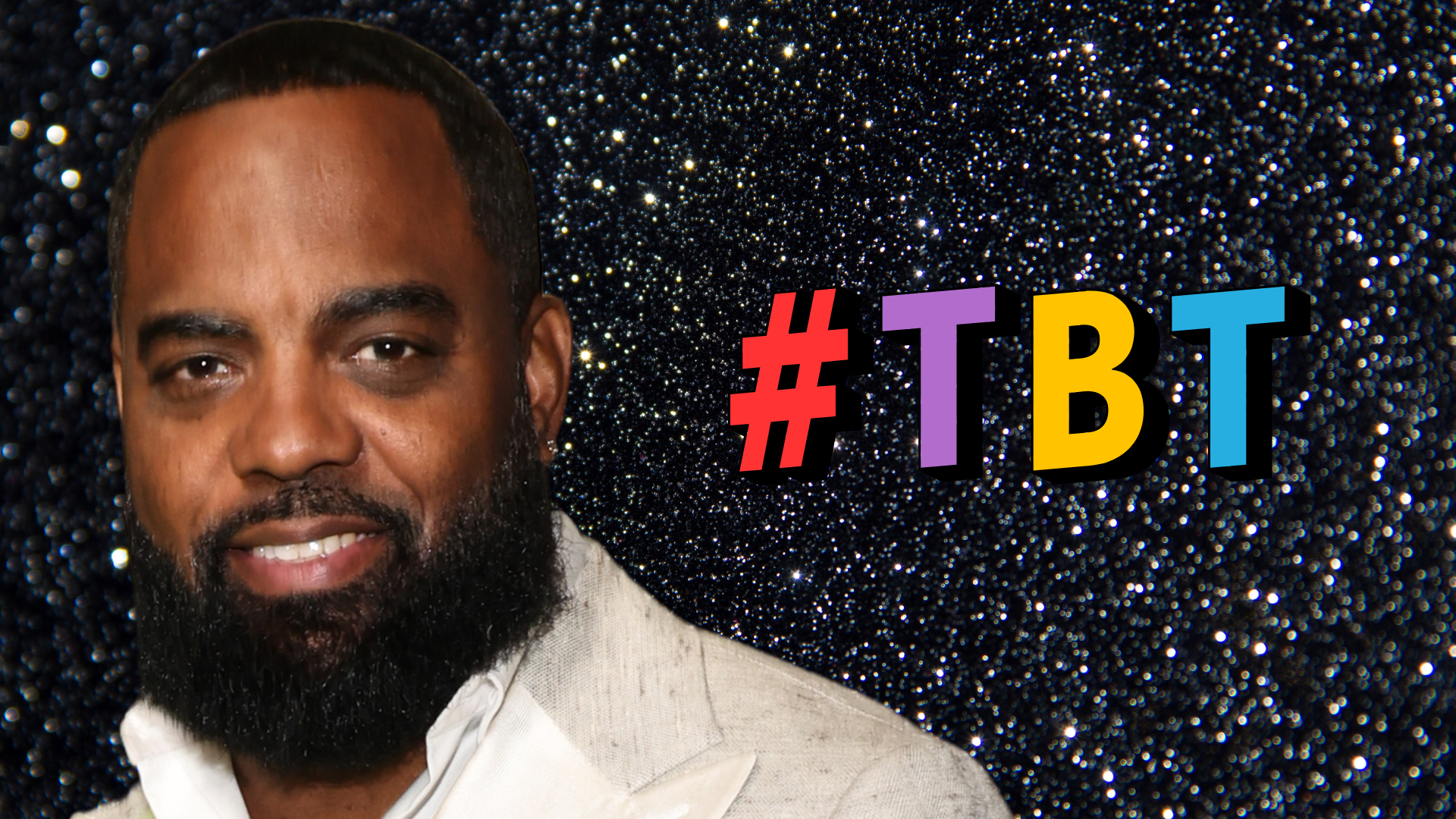
When Todd Tucker's Instagram thread from late October 2026 slipped into the feed, the first thing that hit fans was a collective “wow.” A younger man with a carefree grin, a different hairline, a lighter frame – the Real Housewives of Atlanta veteran seemed to have shed his adult swagger and emerged in a throwback that looked almost unrecognizable. Yet behind the viral buzz lies a story that threads through reality television’s evolving portrait of authenticity, the public’s appetite for the private, and the shifting sands of a star’s brand in the aftermath of divorce.
The post itself was simple: a grainy snapshot from a decade‑earlier, accompanied by a caption that reads almost like a personal pep talk, “Young T, you’ve come a long way homie! BX to LA to The CHI and now ATL. You’re doing your thing young homie don’t stop God has you! What would you tell your younger self.” It was a nostalgic nod to the journey from his New York roots to the glittering world of Atlanta’s social scene, a journey that included a 2014–2023 stint on RHOA as Kandi Burruss’s husband and, prior to that, a line‑producer behind the scenes of the same show. The throwback became an instant meme canvas, with comments like “looked like u knew how to swerve!! Lol Young Todd was playa!!” and “Young Todd was out there dripping with charisma. That’s how we Leos do.” What started as a playful reflection quickly morphed into a commentary on the relentless scrutiny that reality stars endure, even when the cameras are turned off.
The ripple effect of this post is more than a fleeting internet joke; it’s a microcosm of a broader shift in how celebrities, especially those rooted in unscripted formats, manage their public narratives. In an era where Instagram stories can eclipse prime‑time television, a single throwback image can become a brand pivot, a chance to reframe a narrative, or a platform to confront personal upheaval. Todd’s candid acknowledgment of his past and present—his “up and down” feelings post‑split, his solitary living situation, his children’s resilience—speaks to a vulnerability that reality audiences crave. Yet it also exposes the raw tension between maintaining an appealing persona and dealing with the very real fallout of a high‑profile divorce.
Background & Context
Todd Tucker’s public life is a study in transformation. Born in the late 1970s, he began his foray into the entertainment industry as a line‑producer, a behind‑the‑scenes role that gave him a backstage pass to the drama of RHOA before he stepped into the spotlight. His transition from crew member to cast member was a familiar narrative within the show’s ecosystem: a former producer becomes a cast spouse, and the audience watches a new dynamic unfold. His marriage to Kandi Burruss, a celebrated R&B artist and former “The Apprentice” contestant, elevated him from background support to the center of a multi‑layered family saga that ran for nearly a decade. Their on‑screen relationship, marked by playful banter, heartfelt moments, and the occasional flare of conflict, drew millions of viewers into their domestic sphere.
The couple’s family life, however, has never been straightforward. Todd and Kandi share two children, Ace and Blaze, while each brings a daughter from a previous relationship—Riley from Kandi’s side. Their blended family became a recurring theme on RHOA, offering a look into co‑parenting, step‑family dynamics, and the challenges that accompany it. The show’s format often blurred the lines between reality and performance, a fact that the public increasingly recognizes when personal revelations spill onto social media.
The divorce filed by Kandi in September 2026 marks a turning point. Todd’s statements about the split—describing it as “up and down,” lamenting the loss of “the dog, the kids, the wife” and the loneliness of a vacant house—are unfiltered admissions of grief. Yet, his refusal to disclose the precise reason for Kandi’s filing—citing her “business” and “part of it is her business”—suggests an attempt to keep the narrative within manageable boundaries. While rumors of infidelity surfaced through Kandi’s one‑woman tour “I Do, I Did, I’m Done,” where she alludes to a “sign of another woman in my home,” Todd has not directly addressed these claims, leaving the audience to piece together the puzzle.
Todd’s attempt at maintaining a positive image is evident in his social media choices. Celebrating Kandi’s 50th birthday with a heartfelt post, wishing her “good health, wealth, peace and happiness,” and encouraging her to “turn up” shows a graciousness that counters the bitterness that often accompanies divorce coverage. Kandi’s reciprocation—posting for Todd’s birthday, praising him as “Keep living your best life!”—suggests a mutual respect that transcends their current marital status. These gestures, while symbolic, also serve a strategic function: they keep both parties in the public eye, preserving brand equity for future ventures.
What People Are Saying
The internet’s reaction to Todd’s throwback post is proof of the modern pop‑culture equation of relatability and spectacle. Fans and followers flooded the comments with playful jabs and nostalgic admiration, turning the image into a meme fodder. The phrase “Young Todd was playa!!” became a rallying cry for those who saw the past self as emblematic of a time when reality TV’s early days were less polished, more raw. Others focused on the authenticity of Todd’s current reflection, noting how his commentary about moving from New York (“BX”) to Los Angeles (“LA”) to Chicago (“CHI”) and finally Atlanta (“ATL”) mirrored a larger narrative about chasing opportunities in the entertainment hub of the United States.
On a deeper level, the comments reflect a cultural appetite for the “real” behind the show’s curated drama. In an age where audiences crave unfiltered stories, Todd’s “up and down” admissions about loneliness and his children’s reassurance (“Dad, it’s okay, we love your house”) resonated with those who recognize the emotional labor behind the persona. The mention of his children’s resilience and the supportive tone they displayed, even after the divorce, offered a counterpoint to the sensationalist rumors about infidelity.
Meanwhile, the reactions to his divorce announcement reveal a complex mix of support, skepticism, and curiosity. Some fans expressed sympathy for Todd’s loneliness, while others voiced concern over the public’s perception of his “business” and how it might affect his future projects. Kandi’s hints at Todd’s alleged cheating—“My man’s been cheating on me!”—stirred the conversation further, pushing the dialogue from a private family matter to a public spectacle that will shape each of their brand narratives moving forward.
What Happens Next
Todd’s next moves will be critical in determining whether he can successfully transition from a reality TV spouse to a standalone personality. The 2026 timeline marks a new era: with his divorce filed in September, he is now free to explore projects that align with his brand beyond the confines of RHOA. Given his experience as a line‑producer, he might lean toward behind‑the‑scenes roles, perhaps producing his own reality series that showcases the complexities of blended families in a post‑divorce world. Alternatively, he could step into a more public, self‑made persona, leveraging his Instagram presence to launch a lifestyle brand that speaks to men navigating the challenges of adulthood and parenthood.
Kandi’s upcoming tour “I Do, I Did, I’m Done” will also influence Todd’s trajectory. If her performances continue to hint at his alleged infidelity, Todd will need to address or sidestep these narratives to preserve his integrity. On the other hand, his public displays of affection for Kandi—celebrating her 50th and birthday—could create a narrative arc that frames their relationship as amicable, potentially allowing both to benefit from collaborative ventures such as joint charity work or shared endorsement deals.
Fans will likely keep a close eye on Todd’s domestic life. His comments about living alone, the loneliness he experiences, and his children’s support hint at a new kind of reality: a candid, perhaps documentary‑style series focusing on post‑divorce adjustments. Such a concept would capitalize on his existing fan base while opening doors to new audiences who resonate with his story. In this context, his Instagram platform becomes a pivotal tool—stories, reels, and posts can keep the audience invested in his emotional journey, creating a steady stream of engagement that sponsors and networks will find valuable.
Moreover, Todd’s strategic use of humor in his throwback post—acknowledging his own evolution—signals a willingness to blend vulnerability with wit, a recipe that could serve him well in the entertainment landscape that prizes authenticity. By framing his life’s shifts as part of a broader, relatable narrative, he positions himself as a figure who has survived the roller‑coaster of reality TV fame and emerged with lessons to share.
Closing
Todd Tucker’s throwback photo may have started as a simple nostalgia‑filled post, but its ripple effects underscore a broader industry truth: the personal is now a public currency, and how a star navigates that currency can redefine their trajectory. His candid reflections, the community’s response, and the strategic decisions that lie ahead illustrate the complex dance between vulnerability and brand maintenance. In a world where an Instagram image can outpace a prime‑time broadcast, Todd’s next chapters will be watched as keenly as any new episode of a reality series, with each post and announcement adding another layer to his evolving public story.
The Bottom Line
The way Todd Tucker has turned a nostalgic throwback into a strategic brand pivot is textbook modern celebrity management. In an era where social media can outpace TV ratings, authenticity is the currency that keeps fans engaged. Tucker’s candid “up and down” confession isn’t just a personal confession; it’s a calculated move to humanize himself beyond the scripted drama of RHOA. By framing his post as a personal pep talk, he invites fans into his private world, turning potential vulnerability into relatability—a powerful marketing lever. Meanwhile, Kandi’s public gestures—celebrating his birthday and announcing her 50th—show a willingness to keep the narrative amicable, preserving both parties’ brand equity. For the industry, this duality is instructive: celebrities can use personal milestones to reinforce loyalty while positioning themselves for new ventures, whether behind‑the‑scenes production or lifestyle branding. MyWorldPulse sees Todd Tucker’s approach as a blueprint for reality stars aiming to survive post‑divorce transitions without losing their audience’s trust. —MyWorldPulse Editorial
Reference:
- Official post on Todd Tucker's verified Instagram account
Read more celebrity news at MyWorldPulse.