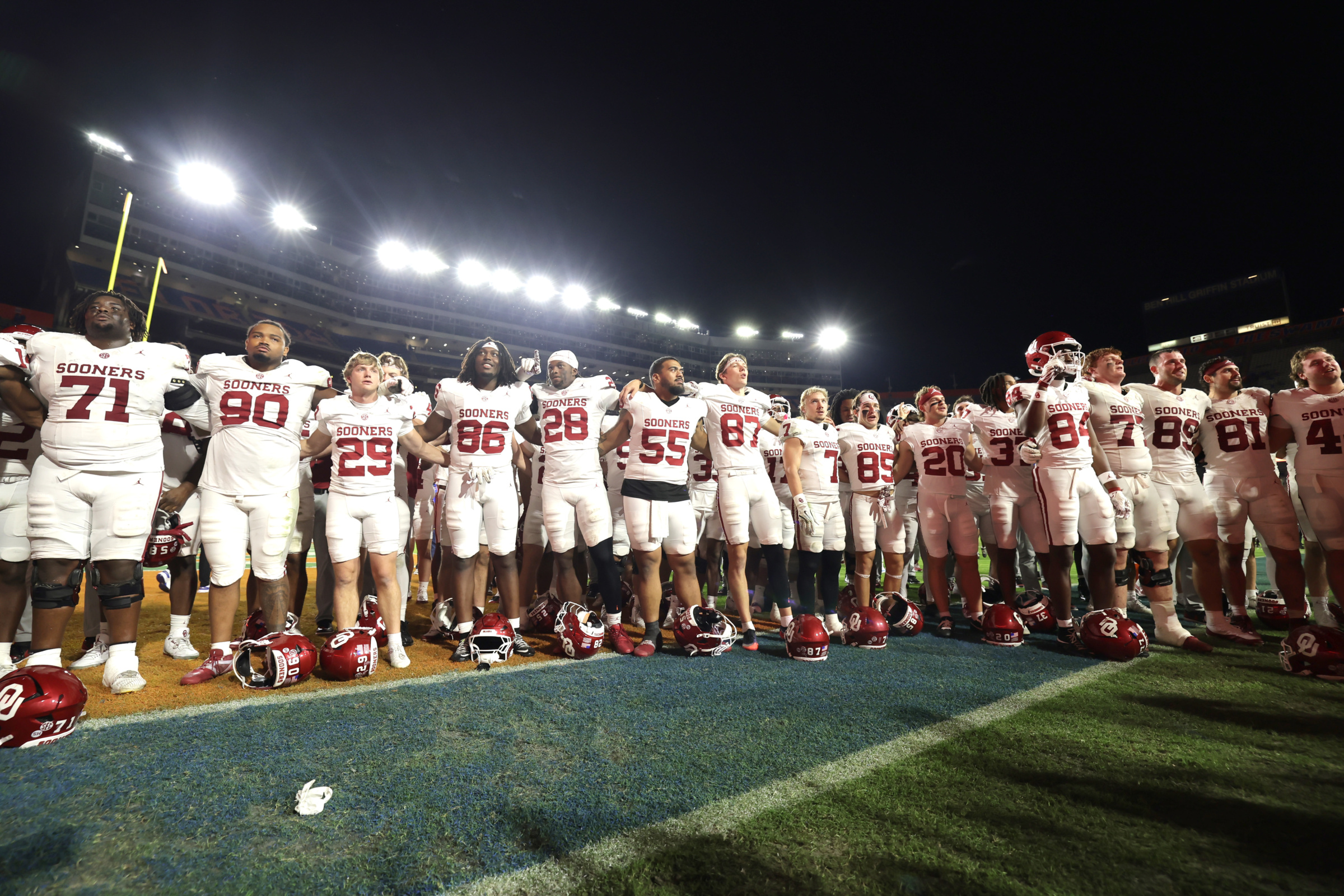
The week‑long showdown between the University of Oklahoma and Ole Miss slipped into a waiting room that stretched beyond the football field, as 10,000 scheduled departures across the United States were halted by a ground stop that had never been seen since the 9/11 attacks.
When the Federal Aviation Administration issued a nationwide “ground stop” at 2:00 p.m. Pacific, travelers in planes and on the road found themselves stranded, and fans in Oklahoma City and beyond suddenly faced a postponed game that meant more than just a delayed kickoff. The flight shutdown lasted until the evening of November 14, when Secretary Sean Duffy confirmed that air‑traffic control centers had regained full functionality, though normal operations would still take time to resume.
For the Sooners’ fans, the disruption was a double blow. Their long‑awaited road trip to Norman, packed with tailgates, chants, and a promise of victory, had to be rescheduled. And the ripple effect reached airlines, hotels, and local businesses, turning a regional sporting event into a national headache.
Background & Context
The FAA’s ground stop was the most sweeping air‑traffic measure since the 9/11 emergency, a day when all U.S. airports were grounded in the face of a catastrophic threat. This time, the trigger was a “temporary telecommunications outage” that impaired the Air Route Traffic Control Centers and the Terminal Radar Approach Control facilities nationwide. Officials said the issue was “out of an abundance of caution,” and that it impacted “different facilities in different ways.”
Despite the sudden halt, flights already airborne were permitted to land, and no aircraft was grounded mid‑flight. The FAA’s statement emphasized safety as the priority, and the organization pledged to investigate the cause of the outage. A rare decision that had never been made in peacetime, it drew the attention of federal security agencies; the Defense Secretary and Homeland Security Secretary reportedly monitored the situation from the West Wing, and the Situation Room was reportedly active at 2:55 p.m. on the day of the shutdown.
While the ground stop lifted at 6:00 p.m. on November 14, transportation officials warned that “normal operations” would take time to return to baseline. Airlines were instructed to check with passengers and confirm schedules as they began resuming departures. The aviation industry, which had already faced a surge of flights in the past month, was left to rebuild its timetable amid lingering uncertainty.
What People Are Saying
At the center of the backlash was Roger Denny, the University of Oklahoma’s athletic director, who took to X in the early hours of November 15 to criticize the decision that forced the Sooners‑Ole Miss game to a one‑day postponement. “This decision isn’t fair,” Denny wrote, expressing a mix of frustration and disbelief. He pointed out that the game, set for November 14 at 1:00 p.m., had become a logistical nightmare for players, staff, and fans alike, all caught in a global disruption that felt local to the OU community.
Travelers echoed a similar sentiment. Airline representatives warned that cancellations had been “unprecedented in scale,” and that many passengers were left scrambling to rebook flights to or from Oklahoma City. The frustration was not limited to the Sooners’ camp; fans of other teams and general travelers across the country shared their grievances on social media, highlighting the inconvenience of missed connections and the financial impact of last‑minute changes.
In the air‑traffic control corridors, technicians worked around the clock to restore communication. They reported that the “communication issue” had left the ARTCs and TRACONs in an uncertain state, forcing the FAA to issue the ground stop. The FAA’s own updates were brief, focusing on “full functionality restored” but noting that “normal operations” would take time. In the public eye, the narrative shifted from a technical glitch to a national crisis, prompting questions about how such a failure could occur in an industry that prides itself on safety and precision.
What Happens Next
The immediate aftermath of the lift has been a flurry of activity as airlines and passengers attempt to reconstitute schedules. Some carriers have announced that they will resume departures within the next 48 hours, while others plan a staggered approach to avoid overwhelming the system. Passengers are advised to keep close tabs on their flights, as the FAA’s statement highlighted the need for “continued updates” even after the ground stop ends.
For the Sooners and Ole Miss, the postponement has been moved to the following Saturday. The game will now take place at the same venue, but with a schedule that allows teams to recover from the delay and fans to adjust their plans. University officials have begun arranging transportation for players and staff, while the stadium’s concession and ticketing teams are recalibrating their operations. Though the game’s competitive spirit remains intact, the experience has underscored the fragility of modern logistics, where a single equipment outage can ripple across the nation.
On a broader scale, the FAA’s response to the outage will likely prompt a review of communication infrastructure across all ATC centers. The incident has exposed gaps that could affect not only scheduled flights but also emergency response capabilities. Federal agencies have already indicated that they will conduct a post‑incident analysis, with potential upgrades to redundancy systems and protocols. The aviation community, having endured an unprecedented crisis, is now tasked with ensuring that a similar situation never recurs.
As Oklahoma’s Sooners’ fanbase sits in a holding pattern, the incident serves as a stark reminder that the world of travel and sport is inextricably linked. The ground stop’s ripple effect stretched far beyond the stadium, illustrating how a single decision by a federal agency can influence the lives of thousands, both on the field and in the air. The game may finally be played, but the story of a nation grounded will linger in the memories of those who witnessed it.
The Bottom Line
The ground stop that crippled 10,000 flights and postponed a high‑profile college football game exposes a systemic flaw in the aviation sector’s emergency readiness. While the FAA’s swift action prevented a potentially catastrophic cascade of mid‑flight incidents, the collateral damage to fans, teams, and local economies was undeniable. It is incumbent upon airlines, airports, and federal regulators to invest aggressively in redundant communication pathways and real‑time diagnostics—moving beyond the “out of abundance of caution” mindset to a culture of proactive resilience. The sport’s stakeholders, too, must rethink event logistics: securing flexible travel arrangements, integrating contingency plans into ticketing, and fostering transparent communication with fans. Ultimately, the incident is a wake‑up call that in a highly interconnected world, a single point of failure can ripple through an entire nation's economy and culture. The lessons learned must translate into tangible safeguards; otherwise, the next ground stop could be far more damaging and far more costly.
Reference:
- Roger Denny’s tweet on X
Read more celebrity news at MyWorldPulse.