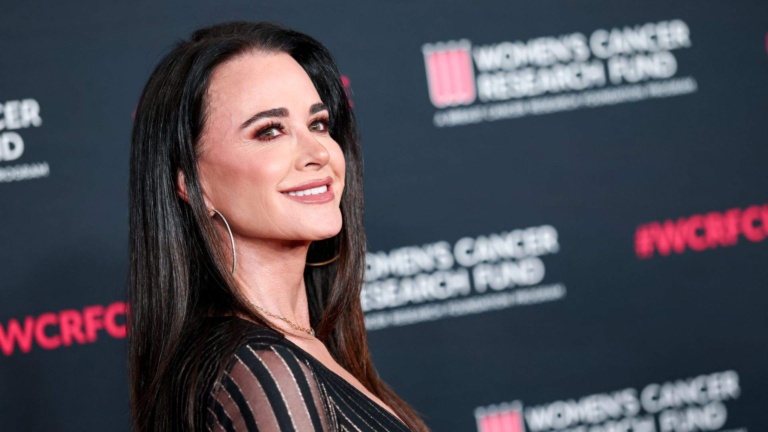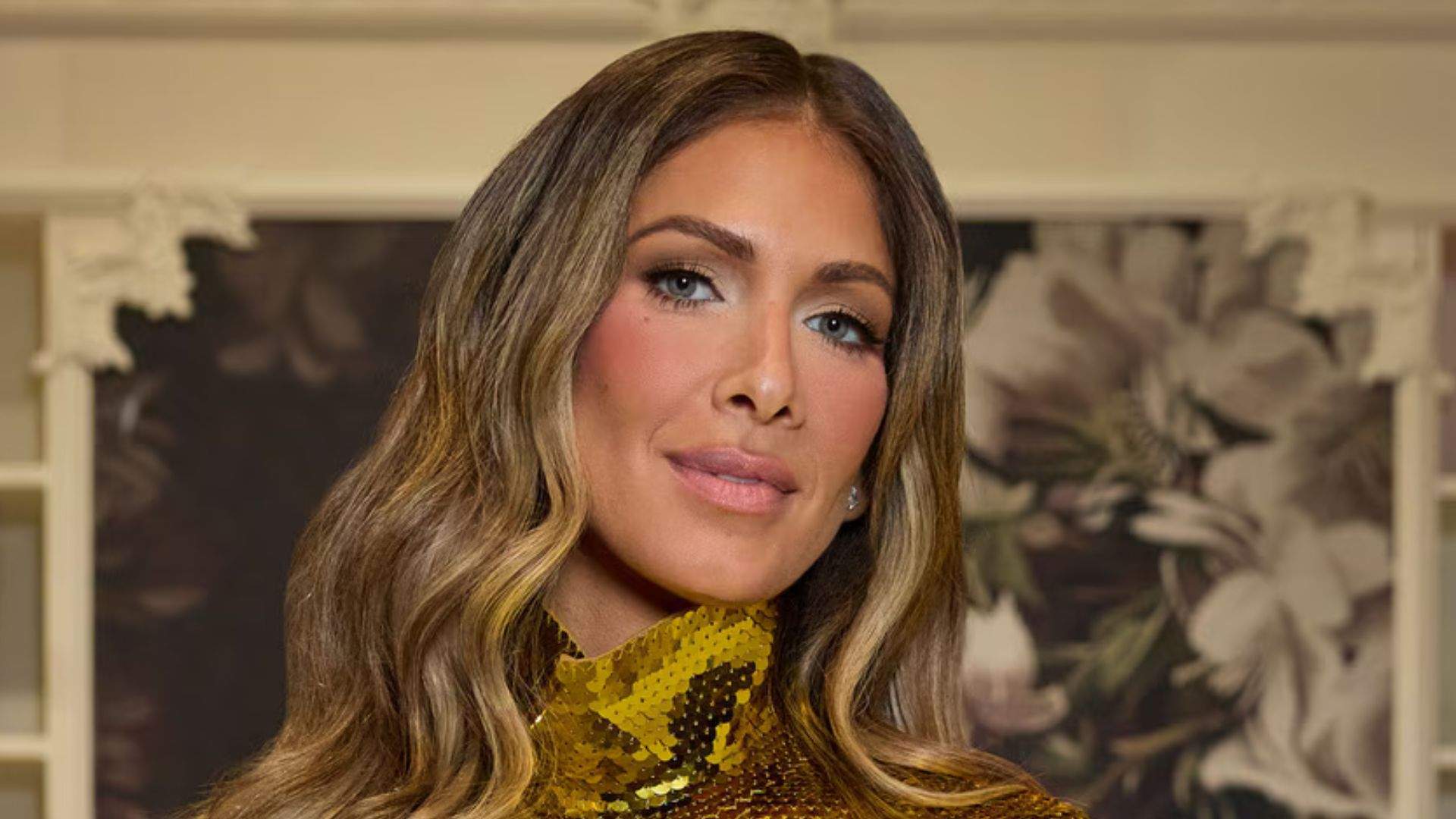
Erin Lichy, the “Real Housewives” matriarch, has revealed that her bustling life—raising four children, rebuilding a flooded Hamptons house, and steering a growing mezcal brand—has put unexpected strain on the family’s finances. The revelation came on the November 10 episode of Real Housewives of New York City season 16, when she and her husband Abe opened a candid window into the challenges of turning a thriving product line into a sustainable business.
On the set of the episode, the couple’s interior renovation firm, Erin’s Studio, and their newly built home sat beside the bubbling storyline of Mezcalum, the artisanal mezcal company they launched together. While sales numbers were reportedly “doing so well,” Erin confessed in a confessional that the venture remains “cash‑intensive.” She explained that the company needs continual outlays for payroll, marketing, and expansion—a reality that forces the couple to weigh personal capital against business growth. Abe urged them to inject more money into the venture, but Erin admitted that the family simply cannot afford it. The conversation peeled back the veneer of glossy reality shows and offered a raw look at the financial responsibility that sits beneath the surface of their public persona.
---
Background & Context
Erin Lichy first entered the real‑estate market at the age of nineteen, securing a license that would later see her join Fredrik Eklund’s Eklund‑Gomes team at Douglas Elliman in 2018. In early 2024 she moved to Compass, only to return to the Eklund‑Gomes group later that year. Throughout this professional odyssey, she has been described by her former employer as a “closer,” praised for her “gravity” and persuasive negotiation skills. Though her license remains active, Erin currently does not list new properties, indicating that her focus has shifted more toward her entrepreneurial ventures.
In 2018, Erin founded Erin’s Studio—originally named Homegirl—an interior design and renovation company that has earned a reputation for turning spaces into personalized havens. The firm’s name change to Erin’s Studio reflects a strategic rebranding effort, positioning the business alongside her larger personal brand that encompasses real estate, podcasting, and now, mezcal.
Mezcalum, the most publicized of her businesses, was launched in partnership with Abe. The duo markets the brand as an “all‑natural, additive‑free, 100 % artisanal mezcal.” In season 15, Erin expressed astonishment at the brand’s early success, remarking, “I can’t even believe how well it’s done.” Yet, despite the positive reception and robust sales, the company’s model remains cash‑heavy. Manufacturing artisanal spirits requires significant upfront costs for production, bottling, compliance, and marketing—a reality that Erin highlights in her role as chief marketing officer.
Her weekly podcast, “Come Together With Erin + Abe Lichy,” and her social‑media presence further amplify her personal brand, but they also serve as additional revenue streams. The podcast, co‑hosted with Abe, offers an intimate view into their lives and serves to promote both Erin’s Studio and Mezcalum. The blending of multiple revenue streams has allowed the Lichys to sustain their lifestyle, but the recent flood at their Hamptons residence has strained their resources, forcing a reassessment of priorities and financial allocations.
---
What People Are Saying
The confessional segment sparked conversations across social‑media platforms, where viewers noted how Erin’s candidness underscored the often‑hidden costs of entrepreneurial ventures. Fans praised her transparency, arguing that it demystifies the “glitz” associated with reality‑TV stars. Some commentators highlighted the tension between personal family commitments and business obligations, pointing out that juggling four children and a high‑maintenance property can divert focus from a brand’s growth trajectory.
Industry insiders have weighed in, noting that Erin’s experience illustrates a broader challenge within craft‑spirit companies. The artisanal mezcal market has exploded in the past decade, but the path to sustainable profitability is littered with cash‑flow hurdles. While consumer demand is high, the margins can be thin due to production costs, regulatory compliance, and the necessity of building a robust marketing presence. Erin’s admission that the brand is “cash‑intensive” even with strong sales reflects this reality.
Critics have also highlighted the psychological toll of financial pressure on family life. Comments about the couple’s discussion of the flood at their Hamptons home emphasized the vulnerability that even high‑earning families can face. The flood’s impact on their assets forced the Lichys to reevaluate spending priorities, making the investment into Mezcalum a potential risk. In the broader context, the episode shines a light on the precarious balance between maintaining a personal brand, nurturing a growing family, and ensuring business sustainability.
---
What Happens Next
Erin and Abe face a crossroads as they navigate the dual challenges of restoring their flooded home and ensuring Mezcalum’s continued expansion. Their decision to forego further personal investment in the brand signals a need to explore alternative funding sources—whether that be external investors, a loan, or a strategic partnership. The couple’s willingness to discuss the financial constraints publicly could position them to attract potential stakeholders who appreciate transparency and a clear-eyed view of the market’s realities.
In the short term, the Lichys may prioritize finishing repairs on their Hamptons residence to stabilize their living environment. They could also redirect marketing funds toward cost‑effective channels, leveraging the podcast’s reach to amplify Mezcalum’s visibility without escalating expenses. Erin’s experience as a seasoned real‑estate negotiator may play a pivotal role in securing favorable loan terms or negotiating with suppliers to reduce overhead.
On a broader scale, the episode sets a precedent for reality‑TV personalities to openly discuss the financial intricacies of their businesses. This candidness may encourage other entrepreneurs to reassess the sustainability of their ventures and to seek strategic partnerships or alternative financing. For Erin, the upcoming months will be a critical test of resilience—balancing the needs of her four children, the restoration of a home damaged by nature, and the dream of turning a craft mezcal brand into a lasting legacy.
---
The Lichys’ journey encapsulates the multifaceted demands of modern entrepreneurship: relentless creativity, rigorous financial discipline, and the capacity to navigate unforeseen hardships while keeping family at the center. As Erin continues to steer Mezcalum through a cash‑intensive phase and rebuild her home, audiences remain captivated by her determination and the tangible realities behind the headlines.
The Bottom Line
The Lichys’ willingness to expose the financial cracks beneath their glamorous façade is both courageous and instructive. It signals a maturing industry where transparency can become a competitive advantage rather than a liability. While some may criticize Erin for admitting a lack of cash to grow Mezcalum, her candidness invites dialogue about realistic funding strategies—whether that means courting angel investors, negotiating favorable credit lines, or pivoting to more cost‑effective marketing. For viewers, the story is a reminder that behind every glossy Instagram post lies a complex business ecosystem requiring prudent financial stewardship. The reality‑TV world, often accused of fabricating drama, may benefit from this honest portrayal, potentially inspiring other stars to adopt a more measured approach to business disclosures. Ultimately, the episode demonstrates that true influence is earned through openness, not opacity, and that sustainability will dictate the long‑term success of celebrity‑led ventures.
Reference:
- Erin Lichy’s Instagram post on the flooding and Mezcalum cash‑intensity
Read more celebrity news at MyWorldPulse.