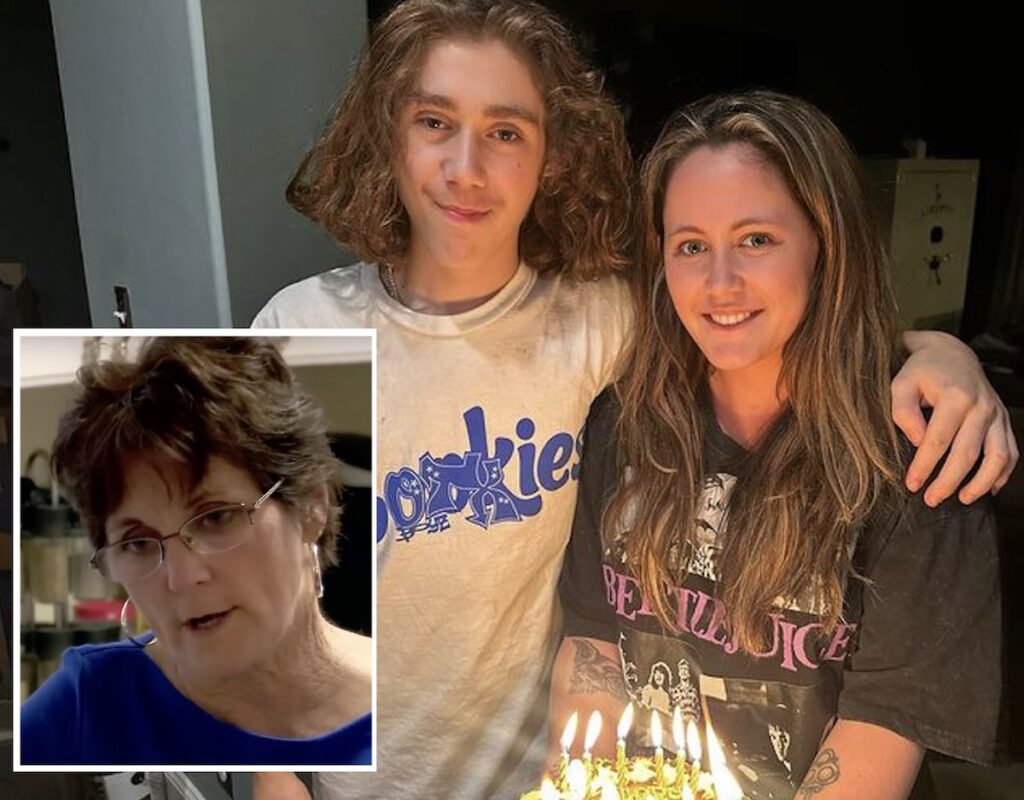
When a short Instagram clip of Jace Evans—Jenelle Evans’ eldest son—began circulating last week, thousands of comments exploded into streams of support, each message a tiny tribute to a teenager’s hard‑won smile. The 17‑year‑old, who spent much of the past year in a treatment facility after a troubling incident at his grandmother’s North Carolina home, shared a glimpse of a car ride with friends, an electric‑scooter adventure, and a goofy tumble that sent his friends into fits of laughter. In the video’s caption, Jace simply wrote, “hope u guys are having a good day,” and the world answered with a chorus of emojis, well‑wishes, and heartfelt congratulations.
The sudden return to normalcy in Jace’s life has not only warmed the hearts of his mother, former “Teen Mom” alum Jenelle Evans, but also stirred a broader conversation about teenage mental health. Fans who had followed Jace’s turbulent journey—marked by his admission to a treatment facility in February and his recent move back in with his grandmother—now witness a snapshot of recovery that feels both hopeful and rare. Meanwhile, a different family drama has unfolded as the world mourns the death of Sir Patrick Stewart, the revered “Star Trek” icon whose passing has left a void in the acting community. Stewart’s son, Daniel, shared a caption‑free photo from a 2001 stage production, a quiet gesture that speaks to a strained relationship that has only recently begun to heal.
Background & Context
Jace Evans’ life before the treatment was a whirlwind of television cameras, public scrutiny, and the relentless pressure of being a teenage star in the public eye. After an incident at his grandmother Barbara Evans’ home led to his placement in a mental health facility in February, the Evans family faced a crisis that no one in the spotlight anticipated. The facility’s goal was to provide Jace with a safe environment to process the incident and address underlying issues, a step that marked a turning point in his emotional wellbeing. By the summer, Jace was released, and the family settled into a quieter routine at Barbara’s house, where he was encouraged to reconnect with friends, school, and his own sense of normalcy.
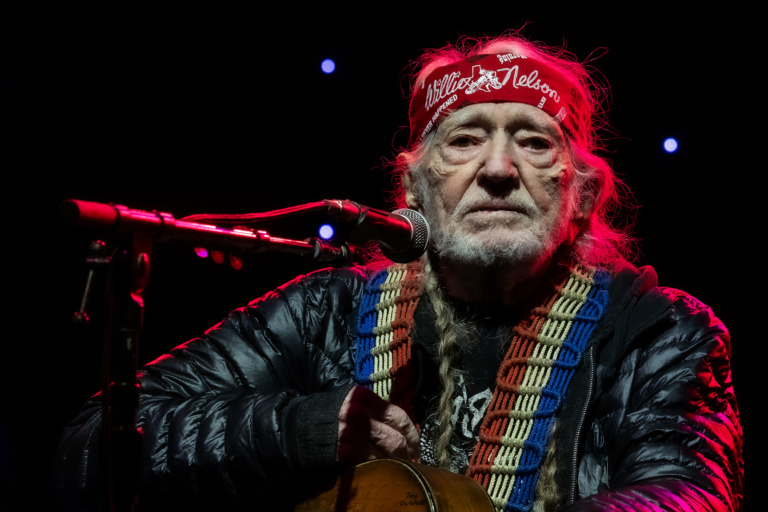
Across the country, the legacy of Sir Patrick Stewart entered a new chapter as his death at the age of 86 was announced in late October. Stewart, who had earned a knighthood for his contributions to theatre and film, was known for his disciplined career focus—an intensity that, in hindsight, the actor himself acknowledged had come at the cost of his relationships with his two adult children from his first marriage, Daniel and Sophie. In an interview with the Irish Independent in 2023, Stewart admitted that he had “never thought this would happen,” but that the estrangement had left a lasting grief. While the public celebrated his storied career, his family grappled with the aftermath: the realization that the bond with his children had become “practically non‑existent” and the desire to mend fences.
The two narratives share a common thread: the impact of public life on intimate relationships. Jace’s return to the community after treatment illustrates a teenager’s resilience, while Stewart’s reflection reveals a seasoned actor’s regret and yearning for familial reconciliation. Both stories highlight how the demands of fame and personal ambition can create fissures that, once addressed, pave the way for healing.
What People Are Saying
Fans of Jace’s Instagram video flooded the comment section with emojis and supportive messages, many of them recalling the teenage star’s earlier struggles. “You’re doing amazing, Jace! Keep smiling,” wrote one follower. Others urged his mother to keep him grounded: “It’s so wonderful to see him happy. Tell Jenelle to keep this positivity going.” The post also sparked a wider conversation on mental health, with users citing the importance of therapy and community support for young people facing similar challenges. The community’s engagement underscored a growing awareness that public scrutiny can be both a burden and a catalyst for change when met with compassion.
In the wake of Sir Patrick Stewart’s death, social media erupted in tributes that ranged from cinematic retrospectives to personal anecdotes. Daniel Stewart’s Instagram post—an uncaptioned photo of a 2001 stage production—prompted a wave of comments reflecting on the father’s dedication to his craft. Fans praised the actor’s “legacy of excellence” and praised Daniel’s gesture as a quiet sign of healing. Meanwhile, the conversation shifted to discuss how Stewart’s career priorities had led to a strained relationship with his children. Fans who had followed the actor’s career for decades were reminded that even the most iconic figures can face personal shortcomings, adding depth to the public’s understanding of Stewart’s final years.
Across both threads, the social media landscape became a platform where personal struggles met collective empathy. Jace’s newfound joy and Stewart’s family’s reconciliation efforts illustrate how public figures can turn private tribulations into sources of inspiration, prompting audiences to reflect on their own relationships and mental health.
What Happens Next
For Jace Evans, the road ahead will involve continued therapy, a supportive home environment, and the gradual reintroduction of a normal teenage routine. While the Instagram video may be a milestone, his parents and mental health professionals are likely to focus on sustained progress, with plans to document his journey in a measured way that protects his privacy. The family may also explore public speaking opportunities to advocate for teen mental health, a cause that has resonated deeply with fans and advocates alike.
In the Stewart family, the immediate next step is the planning of a memorial service that honors the actor’s lifetime of achievements while acknowledging his personal regrets. Daniel and Sophie are reportedly working to rebuild their relationships with their father’s legacy, and the family may release a joint statement or video reflecting on the lessons learned. Stewart’s legacy will also be revisited in retrospective media pieces that may address the emotional cost of a career in the spotlight, providing a nuanced view of the actor’s life beyond the stage and screen.
Both families stand at pivotal moments that will likely influence public discourse. Jace’s smile may serve as a beacon for teens navigating mental health challenges, while Stewart’s story may prompt a broader conversation about work–family balance for artists. As each family navigates the aftermath of their respective public journeys, their shared emphasis on healing and open dialogue offers a hopeful narrative for others facing similar crossroads.
The world watches, and in the quiet moments of healing, both Jace Evans and the Stewart family remind us that recovery—whether personal or collective—can begin with a single smile or a quiet photograph.
The Bottom Line
At MyWorldPulse, we see Jace Evans’ candid smile not just as a personal triumph, but as a beacon for a generation that often feels invisible behind the spotlight. The rawness of his Instagram moment—laughing, biking, and sharing a simple good‑day wish—demonstrates that even a teenager can reclaim agency in the face of mental‑health challenges when offered a supportive platform. This narrative reminds us that the entertainment industry must prioritize authentic wellness conversations over polished façades. Similarly, the quiet photo shared by Daniel Stewart following his father's death signals that healing can begin with unspoken gestures, challenging the public to value reconciliation as much as legacy. Both moments echo a broader cultural shift: audiences crave genuine human stories that bridge fame and empathy. We, therefore, champion content that foregrounds real struggles and celebrates recovery, reinforcing that the power of a smile or a photograph can spark societal change. —MyWorldPulse Editorial
Reference:
- Jace Evans' Instagram post about his smile
Read more celebrity news at MyWorldPulse.