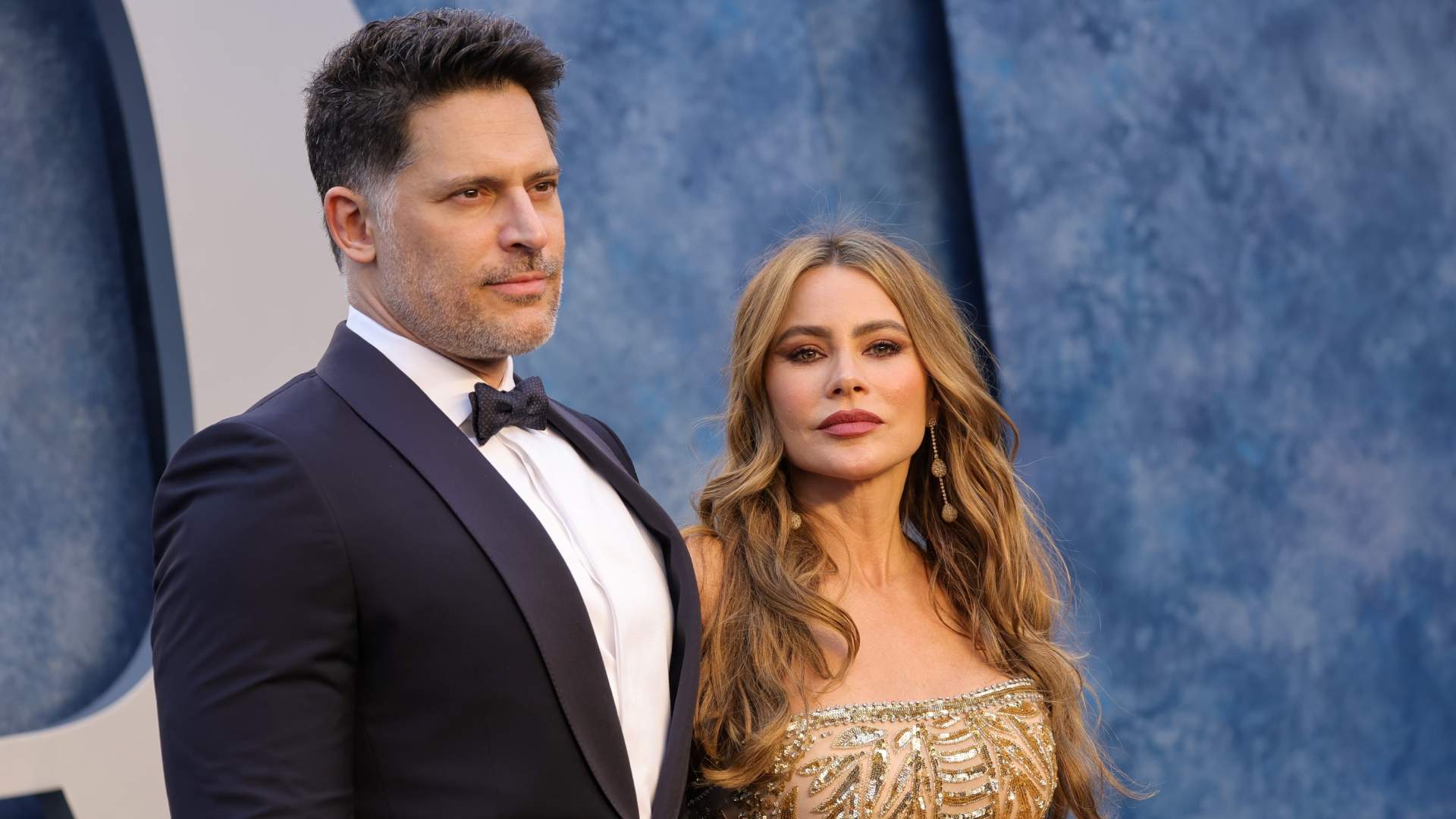
Joe Manganiello’s new memoir, Bloodlines, drops a revelation that throws a sharp, unexpected curveball at fans: the actor endured a debilitating autoimmune disease for seven years while tied to the Modern Family star. The hidden battle began in 2015, the year the two announced their wedding, and, according to Manganiello, was a silent storm that battered his body, frayed their marriage, and eventually led to their 2023 divorce.
The book, released on October 13, gives readers an unvarnished look into a private agony that never made headlines. It starts with a description of searing abdominal pain that left Manganiello unable to walk, fever, rash, and severe fatigue that spiraled into organ failure. In a dramatic twist, he recounts a 2016 emergency surgery that removed part of his colon and left him with an ostomy bag, a scar that still reminds him of that dark period. The story isn’t just about physical suffering; it’s also about how the illness eroded the emotional bridge that once connected him and Vergara, culminating in a breakup that stunned a generation of pop‑culture romantics.
In the broader context of celebrity health disclosures, the memoir stands out. While many actors have spoken openly about mental health, few have laid bare the hidden toll of an autoimmune condition—especially one that could have ended in organ failure. By putting the disease on the page, Manganiello invites a wider conversation about chronic illness, the limits of medical understanding, and the often invisible emotional labor required to keep a relationship afloat under such strain.
Background & Context
The marriage between Joe Manganiello and Sofia Vergara began with the fanfare of a star‑studied wedding in 2015, complete with a televised ceremony and a honeymoon that had the paparazzi buzzing. In the years that followed, the pair seemed inseparable: joint appearances on talk shows, shared philanthropic projects, and the glittering glow of a power couple that many thought would last a lifetime. Yet beneath the surface, a storm was brewing.
Manganiello first began to feel the tremors of illness shortly after the wedding. The memoir details a constellation of symptoms—intense abdominal pain that crippled his mobility, relentless fevers, widespread rash, and a weight loss of sixty pounds that left him emaciated. He recounts how these symptoms escalated to the point where he required surgery to remove part of his colon, a procedure that left him with an ostomy bag and a new body that felt foreign. In addition to the surgical trauma, he endured a series of failed treatments, including high‑dose steroids and immunosuppressants that failed to soothe the relentless pain or halt the autoimmune process.
Autoimmune disorders, by definition, are a mystery even to medical professionals. They are notoriously difficult to diagnose because they masquerade as a multitude of other conditions. Manganiello’s narrative reflects this uncertainty: initial treatments were ineffective, and he felt that doctors were sending him through a “gauntlet of drugs” that did little more than numb the pain. The struggle was not just medical; it was psychological, as the actor admits to grappling with a “secret, life‑threatening illness” that, in moments of desperation, forced him to give away his gun and confront thoughts of suicide. A small chihuahua named Bubbles became his emotional lifeline, a silent companion that “saved him” when he felt the walls of his body and mind collapsing.
The toll of this hidden battle was not limited to Manganiello’s personal well‑being. The memoir details how the relationship with Vergara grew cold, eventually devoid of any emotionality. According to the book, when Manganiello begged for a hug, Vergara would refuse, signaling a distance that the memoir suggests was an emotional survival tactic rather than malice. The couple had attempted to conceive through IVF, but the process failed repeatedly. Manganiello’s decision not to pursue an egg donor stemmed from a fear of leaving Vergara with a child “who wasn’t biologically hers.” This confession directly contradicts Vergara’s own statements in an interview with a Spanish newspaper, where she claimed their divorce was precipitated by differences over the desire to have children, citing age and personal preference. Manganiello’s account paints a different picture, one in which illness—not age or personal ambition—was the fulcrum of their split.
What People Are Saying
The memoir’s release has ignited a ripple of commentary across social media, fan forums, and health advocacy circles. While it is impossible to capture every voice, a few themes have emerged. Among the most frequent is a surge of empathy for Manganiello, a figure who has long been celebrated for his rugged on‑screen presence. Fans who followed his journey from True Blood to his recent roles have described reading Bloodlines as a revelation that made them reexamine the actor’s public persona. Many noted that his willingness to share such a private saga has deepened their respect for his vulnerability and resilience.
Health advocates, particularly those focused on autoimmune conditions, have praised the memoir as an essential contribution to public awareness. The narrative underscores how diseases like Crohn’s or lupus can remain hidden until they reach a critical, organ‑threatening stage. By recounting his surgical history, the author invites a broader conversation about medical transparency and the need for better diagnostic tools. The book also touched on the psychological toll of chronic illness, prompting discussions among mental‑health professionals about the interplay between physical disease and emotional well‑being.
The reactions from Vergara’s fan base have been more varied. Some supporters expressed disbelief at the account, citing a lack of corroboration from other sources or questioning the consistency with what Vergara has publicly said. Others were sympathetic, noting that public statements about marriage dissolution are rarely one‑sided, and acknowledging that both parties may have had reasons that remain private. A segment of her followers, however, found the memoir’s depiction of a “devoid of emotionality” marriage and a refusal to hug shocking, especially given the romanticized image they had of the couple. The tension between the memoir’s narrative and the public statements of both parties has become a fertile ground for speculation and debate.
In the broader cultural context, the memoir sits amid a growing trend of celebrity truth‑telling that blends personal narrative with social commentary. When the book is paired with the actor’s history of advocacy for causes like mental‑health awareness, it reinforces a pattern of using personal hardship as a platform for broader discourse. The public has responded by demanding more authenticity from those in the spotlight, making Bloodlines not only a story of one man’s battle but a reflection of an era increasingly obsessed with the private lives of public figures.
What Happens Next
The immediate aftermath of Bloodlines will likely involve a wave of interviews and appearances by Manganiello, as he prepares to discuss the memoir in more detail. While the actor has not yet scheduled a full media tour, early reports indicate he will appear on a prominent late‑night talk show, perhaps using the platform to expand on the details of his illness and the impact on his relationship with Vergara. Fans are hopeful that his forthcoming interviews will include a discussion of how his experience has influenced his current projects and personal growth.
From a literary standpoint, Bloodlines will probably continue to climb the bestseller lists, especially given the built‑in curiosity around the star‑powered divorce. The memoir’s sales figures could potentially surpass those of Manganiello’s previous works, thanks in part to the added intrigue of the health saga. Publishers are likely to capitalize on the story by offering special editions that include behind‑the‑scenes photos or a Q&A section with the actor.
Beyond the memoir’s own lifespan, there may be broader implications for the entertainment industry. If the book’s disclosure of a chronic, life‑threatening condition sparks increased attention to health issues among actors, it could encourage studios to offer better medical support, mental‑health counseling, and more flexible scheduling for performers battling illness. Industry insiders have hinted at possible collaborations with medical organizations to raise awareness, though no concrete plans have been announced.
For the audience, the memoir has already altered the narrative arc surrounding Manganiello and Vergara. Whether the public will accept or challenge this new version of events remains to be seen. The story could prompt a more nuanced understanding of celebrity relationships, shifting the focus from scandal to the complexities of human vulnerability. As the world digests this new chapter, one thing is clear: the line between public persona and private struggle has never been more blurred, and the conversation it has sparked will linger for years to come.
In the end, Bloodlines offers more than a tale of love and divorce; it provides a raw window into the hidden wars fought within the human body, a reminder that the most profound battles are often fought in silence.
The Bottom Line
The publication’s view: Bloodlines is a watershed moment that underscores the necessity for Hollywood to pivot from a façade of invincibility toward a culture that values transparency and support for those dealing with chronic health issues. By laying bare the physical and emotional devastation Manganiello endured, the memoir invites a critical reevaluation of how studios treat actors’ well‑being. This narrative should serve as a wake‑up call to industry stakeholders to institute comprehensive health safeguards, including on‑set medical teams, flexible filming schedules, and accessible mental‑health counseling. Simultaneously, the book reinforces the power of vulnerability in forging deeper fan connections; audiences respond more authentically when they witness the real struggles of their favorite stars. Ultimately, Bloodlines not only deepens our understanding of Manganiello’s personal journey but also sets a precedent for how the entertainment world can and should address the complex interplay between fame and health.
—MyWorldPulse
Reference:
- Joe Manganiello's Instagram post announcing his memoir Bloodlines
Read more celebrity news at MyWorldPulse.