Dylan Sprouse’s Five‑Cent Residual Reveals Hollywood’s Pay Puzzle
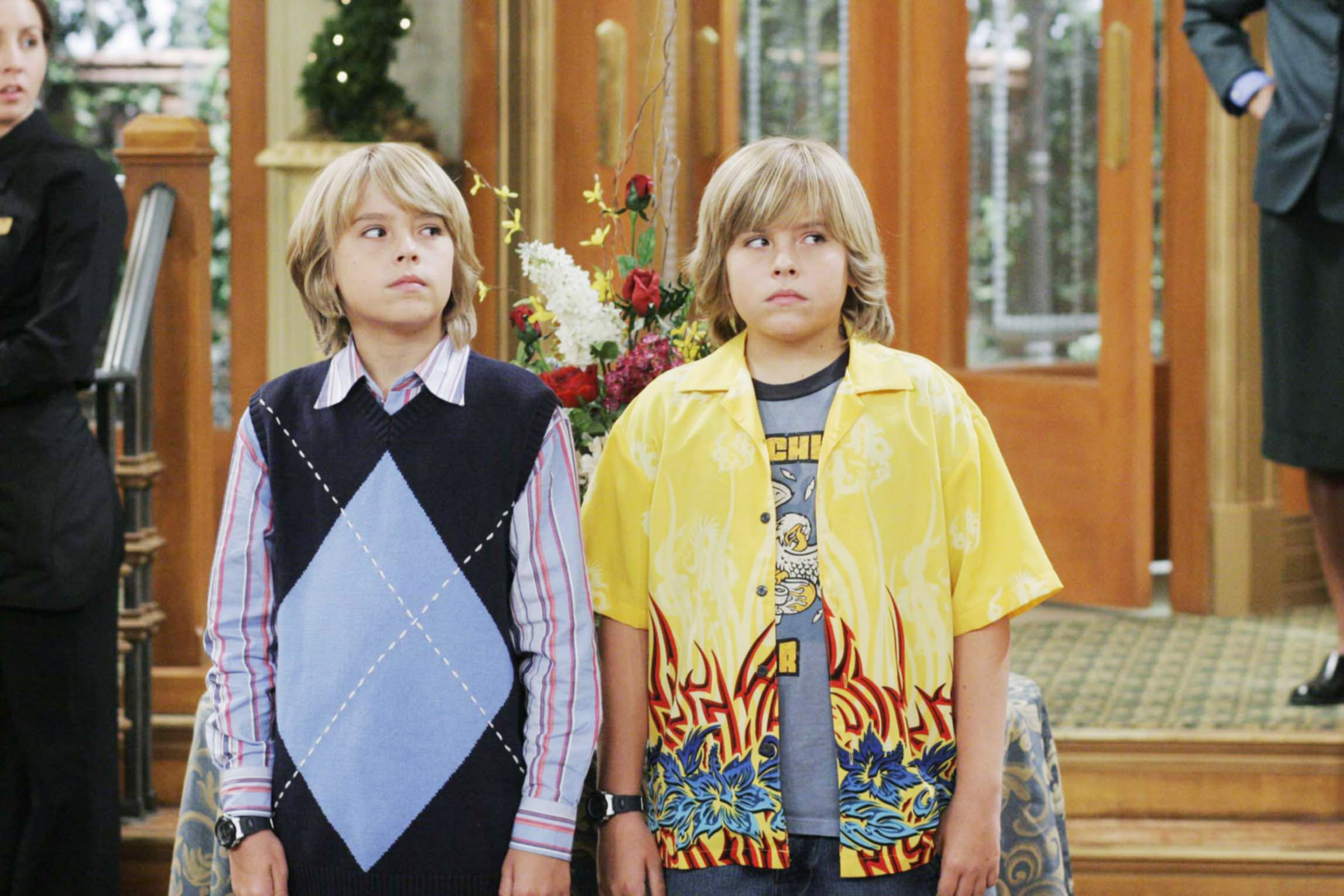
When 32‑year‑old Dylan Sprouse opened a tiny envelope on a quiet afternoon at a Disney studio, he didn’t expect the shock of a single five‑cent check to ripple through his memories of The Suite Life of Zack and Cody. The hit Disney Channel sitcom that launched the Sprouse twins into the limelight during its three‑season run in the early 2000s has long been a staple of childhood laughter, yet the tiny token of payment for a decade‑old performance highlights a deeper, often invisible, economics in the entertainment industry. In a candid interview aired on Phil Lewis’ “Wildmen” show, the former child actor confessed that the only residual he has ever received from the series amounted to five cents, a figure that, while almost negligible in the ledger, speaks volumes about the broader systemic issues surrounding residuals for actors whose shows become cultural touchstones.
The revelation is more than a footnote in a career that has spanned television, film, and voice work; it is a mirror held up to an industry where the financial rewards for early‑career achievements frequently lag far behind the cultural impact of the work. Dylan’s confession dovetails with a broader conversation that has gathered steam in Hollywood circles and beyond, as actors, writers, and creators continue to demand fair compensation for their contributions. At the same time, the entertainment world has been witnessing a surge in political engagement—late‑night hosts debating presidential campaigns and commentators dissecting election outcomes—underscoring how deeply intertwined cultural production and civic discourse have become.
Background & Context
The Suite Life of Zack and Cody first graced screens in 2005, a show that combined family humor with the twin dynamic that made the Sprouse brothers instantly recognizable. The series enjoyed a three‑season run, drawing consistent viewership and cementing its place in Disney’s early‑era lineup. Residuals, the periodic payments actors receive when a show is rerun, streamed, or otherwise monetized after its initial airing, have long been a contentious issue. While major network series often secure generous residual clauses, cable and streaming agreements—especially those from the early 2000s—could be less favorable, reflecting a time before the streaming boom reshaped revenue models.
Dylan’s five‑cent check is a stark illustration of these gaps. While the show continues to find new audiences on streaming platforms and nostalgic re‑airings on Disney+, the residuals for the original cast members have barely kept pace. His statement, released on a platform co‑hosted by his former co‑star, signals a growing discontent among actors who feel that the monetary recognition they receive does not match the cultural value they help create.
Simultaneously, Hollywood has become a vocal arena for political commentary. Late‑night personalities like Jimmy Kimmel have seized the microphone to critique national leaders, and commentators such as Ben Shapiro have offered their take on the fallout from the 2026 midterm elections. These voices, while rooted in political analysis, underscore the heightened public engagement with media figures—both entertainers and commentators—who shape perceptions of politics and society. The intersection of residual disputes and political discourse reflects a larger narrative: the entertainment industry is not merely a source of diversion but also a crucible for debates about equity, influence, and the public good.
What People Are Saying
The reaction to Dylan’s disclosure has been swift and multifaceted. Social media threads have erupted with memes, anecdotes, and calls for transparency in residual agreements. Fans who grew up watching the Sprouse twins in a world of laughter have expressed bewilderment and a sense of injustice at the minuscule amount. Many in the industry echo these sentiments, recalling their own experiences with residuals that fell short of expectations. A growing chorus advocates for revisiting legacy contracts and establishing standardized residuals that account for the continued monetization of content in an era dominated by digital streaming.
Parallel to the residual conversation, the political landscape has been charged with commentary. Jimmy Kimmel’s critique of the former president, delivered during a late‑night monologue, sparked a wave of tweets and discussions that transcended partisan lines. The sharp tone—described by many as unfiltered and unapologetic—highlighted the increasingly combative nature of political satire. Meanwhile, Ben Shapiro’s remarks on the 2026 midterms, describing the election cycle as a “wipeout for Republicans,” resonated with a segment of the audience that felt the long‑term political tide was shifting. The comments from both Kimmel and Shapiro underscore a trend where entertainment platforms serve as battlegrounds for ideological debate, with audience reactions mirroring the polarized climate of American politics.
The convergence of residual disputes and political commentary demonstrates how intertwined personal narratives and public discourse have become. Dylan’s five‑cent story does more than reveal a hidden chapter of his career; it invites a broader conversation about the value of creative labor and the responsibilities of media conglomerates. Simultaneously, the political commentary that permeates late‑night television underscores the influence of media personalities in shaping public opinion—highlighting that the stakes of the entertainment industry extend far beyond entertainment, into the very fabric of democratic engagement.
What Happens Next
In the immediate aftermath, Dylan Sprouse’s candid disclosure has prompted industry insiders to call for a reassessment of residual structures. Several guilds and unions are reportedly examining the possibility of renegotiating residual provisions for legacy content that continues to generate revenue. If the movement gains traction, it could set a precedent for retroactive compensation adjustments that recognize the enduring financial contributions of early‑career actors.
Beyond residual reform, the broader conversation touches on the evolving role of entertainment in politics. With the 2026 midterms looming and public sentiment shifting, commentators and late‑night hosts are likely to intensify their coverage, weaving personal narratives into the larger national dialogue. As audiences consume more politically charged content, the responsibility for accuracy, fairness, and thoughtful analysis will become increasingly critical.
The entertainment industry itself may also respond to these pressures by reexamining its approach to long‑term value creation. Streaming services, increasingly reliant on archival content, could be motivated to restructure residual agreements to ensure fairer revenue sharing. Meanwhile, emerging platforms that promise higher transparency might attract talent seeking more equitable treatment.
For Dylan Sprouse, the next steps involve both personal reflection and public advocacy. While the five‑cent check itself may never be fully compensated, the conversation it sparked could influence how future contracts are drafted and how the industry values the creative labor of its performers. As audiences continue to demand accountability from both their entertainment providers and their political commentators, the intersection of compensation disputes and political discourse will remain a focal point for discussions about fairness and influence in the twenty‑first century.
In the quiet after a five‑cent revelation, the ripples spread far beyond a single envelope, touching every corner of an industry that keeps society laughing, debating, and ultimately questioning how we compensate the voices that shape our shared culture.
The Bottom Line
The fact that Dylan Sprouse received a single five‑cent residual from a show that still pulls in viewers on Disney+ is not just a quirky anecdote; it is a stark indictment of an industry that monetizes nostalgia while leaving its performers with pennies. Hollywood’s residual system, built on outdated contracts and uneven bargaining power, has long favored studios, especially for content that predates the streaming era. This imbalance is no longer a fringe issue—it is a systemic flaw that erodes the financial stability of talent and undermines the very creative ecosystem the industry depends on. Our audience deserves transparency and fairness: actors should be compensated in proportion to the ongoing revenue their work generates. It is time for guilds, unions, and studios to renegotiate legacy contracts and adopt standardized residuals that reflect current consumption models. Only then can the entertainment industry restore trust and ensure that the voices shaping our culture are rewarded not just for the past, but for their enduring contribution to the future. —MyWorldPulse.com
Reference:
- Official post on Dylan Sprouse's verified social media account
Read more celebrity news at MyWorldPulse.