Roman Reigns dominates Money in the Bank, turning Oct. 10 into streaming
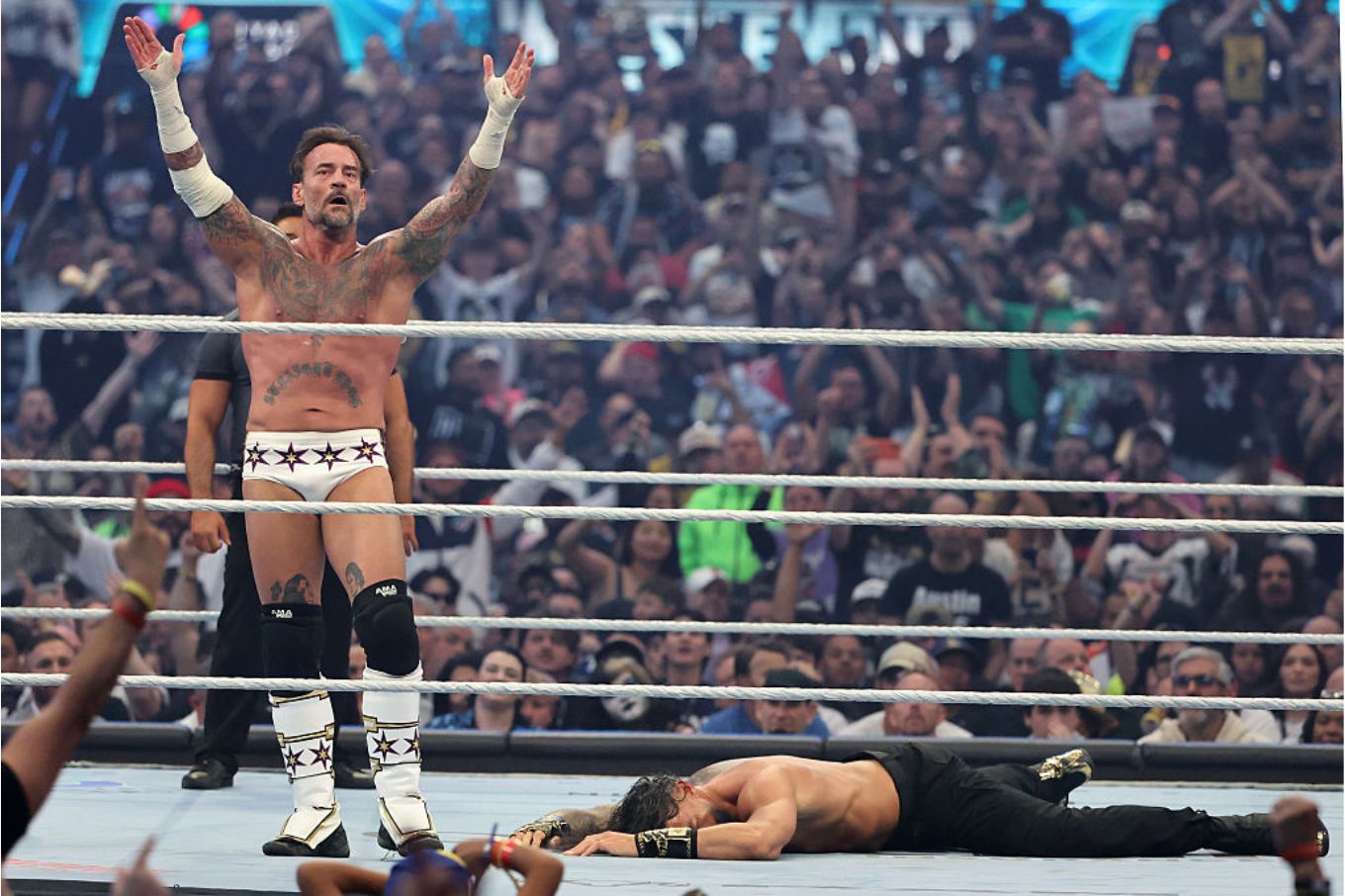
In a spectacle that fused high‑stakes wrestling with the growing appetite for on‑demand content, Roman Reigns pinned Seth Rollins to capture the World Heavyweight Title at WWE’s two‑night SummerSlam before returning to New Orleans for Money in the Bank on Saturday, Oct. 10. The event, packed with five bouts and two marquee matches, marked a pivot: the live spectacle that once lived only in arenas now finds a second life through digital feeds and streaming platforms. This single night illustrates how the entertainment industry is increasingly blending traditional pay‑per‑view models with a hybrid of live broadcasts and online distribution.
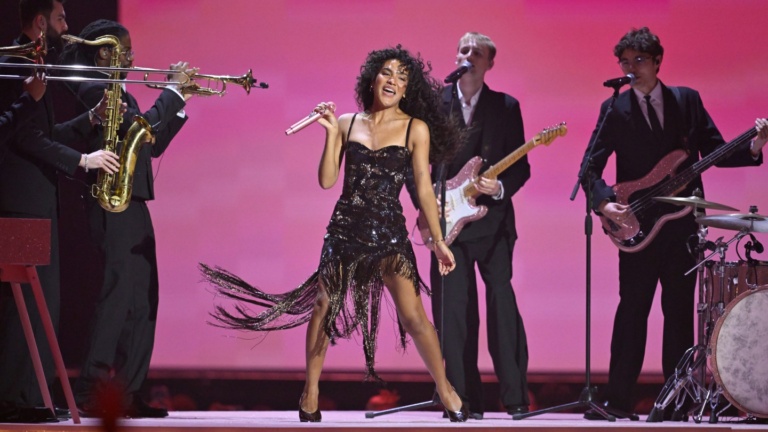
Across the country, the same day witnessed the college football showdown between Alabama and Georgia streamed directly to mobile devices, a trend that signals a shift away from cable subscriptions toward ubiquitous, on‑the‑go viewing. Meanwhile, the world’s most iconic New Year’s Eve celebration—Dick Clark’s New Year’s Rockin’ Eve with Ryan Seacrest—was broadcast live on ABC and simultaneously simulcast on Disney+, expanding its reach beyond terrestrial TV to a global streaming audience. Adding a further layer of monetization, Prince Harry’s MasterClass on grief, titled “Redefining Grief: Building Resilience Through Loss,” earned him a reported six‑figure fee, underscoring how personal narratives can be packaged into premium, subscription‑based content.
The convergence of these events showcases a broader industry trend: marquee live events are no longer confined to a single delivery medium. Wrestling fans who once watched WWE through cable or satellite are now tapping into apps and streaming services; college football enthusiasts are embracing mobile platforms; and audiences of televised celebrations are following the shift to streaming. The Prince Harry example confirms that high‑profile personalities are also finding lucrative avenues in the digital education space, blurring the lines between entertainment, education, and personal storytelling.
Background & Context
WWE’s Money in the Bank is one of the promotion’s cornerstone pay‑per‑view events, traditionally held in late September or early October. It follows the 2026 SummerSlam, where Roman Reigns defended his title against Seth Rollins, cementing his reign as the undisputed face of the company. New Orleans, with its rich history of hosting large live spectacles, provided a vibrant backdrop for the Oct. 10 event, featuring five bouts, including a Women’s World Title match where Liv Morgan retained against Iyo Sky. Historically, WWE’s live events relied heavily on pay‑per‑view purchases, but the latest iteration demonstrates an integrated approach, where fans can stream live, interact on social media, and purchase merchandise in real time.
The SEC college football rivalry between Alabama and Georgia is another high‑profile event that traditionally drew millions to television. In 2026, the game was streamed online, reflecting a growing partnership between the NCAA and digital platforms that aim to capture younger, tech‑savvy audiences. This shift echoes broader changes across sports, where broadcasters negotiate multi‑platform deals to reach fans beyond the traditional cable box, ensuring that ticket sales, live viewership, and digital engagement all contribute to a franchise’s revenue stream.
Dick Clark’s New Year’s Rockin’ Eve, an annual broadcast celebrating the arrival of a new calendar year, had long been a staple of ABC’s holiday lineup. The 2026 edition expanded its reach by adding a simulcast on Disney+, a streaming service that hosts a vast library of live and on‑demand content. This move followed last year’s eight‑hour telecast, which drew 29 million viewers at midnight and included performances from artists such as Mariah Carey, Pitbull, and Post Malone across multiple U.S. cities. By partnering with Disney+, the program tapped into a younger demographic that consumes content primarily through streaming, thereby reinforcing the platform’s position as a key player in live entertainment.
Prince Harry’s foray into the MasterClass platform illustrates a different facet of the industry’s evolution: personal experience being monetized as educational content. The “Redefining Grief” course, co‑delivered with neuroscientist Dr. Mary‑Frances O’Connor, offered an intimate look at the Duke’s loss of his mother, Princess Diana, when he was twelve. The six‑figure fee earned by Harry aligns with the platform’s model of paying instructors upfront and granting them a share of subscription revenue. While the content deals with sensitive subject matter, it also underscores how high‑profile individuals can leverage their stories to generate income through digital channels, further blurring the line between celebrity and educator.
What People Are Saying
Viewers tuned in to the New Year’s Eve broadcast via both traditional television and streaming, a dual distribution that amplified reach and convenience. The show’s 29 million midnight audience was a record for the program’s history, confirming that a hybrid approach can sustain—and even grow—viewership. Fans in Times Square, as well as in other live locations such as Las Vegas, Chicago, Puerto Rico, Nashville, and Kansas City, experienced the celebrations in real time, while millions at home followed the performances of 42 artists, including Diana Ross and Daddy Yankee. This multi‑city, multi‑platform format exemplifies how broadcasters are embracing a “live‑and‑watch‑anywhere” model.
The live streaming of the Alabama‑vs‑Georgia game attracted a diverse online audience, many of whom accessed the match via mobile devices. The move to a digital platform not only catered to the tech‑savvy but also opened up additional sponsorship opportunities, as brands can now target viewers in real time. While traditional television ratings for the game remained robust, the streaming partnership reinforced the notion that the future of sports consumption lies in digital accessibility and interactive experiences.
The reaction to Prince Harry’s MasterClass has been mixed, with some applauding the opportunity to gain insight from a public figure dealing with profound grief, while others question the ethics of monetizing such personal trauma. The six‑figure fee and the 30 percent revenue share for the platform underscore the profitability of this model, which has been employed by other high‑profile personalities in the past. Regardless of opinion, the course has sparked discussion about how digital education platforms can offer unique, personal content to subscribers willing to pay a premium for authentic storytelling.
What Happens Next
For WWE, the success of the Money in the Bank event suggests that further investment in streaming partnerships could be on the horizon. By leveraging digital platforms, the promotion can offer exclusive behind‑the‑scenes content, interactive fan experiences, and a global reach that surpasses cable limits. Such moves could also pave the way for cross‑promotional opportunities with other live entertainment sectors.
In the sports arena, the streaming of the SEC rivalry game points to a future where collegiate and professional leagues increasingly partner with digital distributors. As more fans shift away from cable, leagues will likely explore bundled subscription models, pay‑per‑view digital rights, and interactive features like live statistics and fan polls, enhancing engagement and creating new revenue streams.
ABC and Disney+’s simulcast of Dick Clark’s New Year’s Eve indicates a broader shift among broadcast networks toward hybrid distribution. The next iteration could feature augmented‑reality overlays, real‑time social media integration, or even on‑screen interactive voting for musical performances. By aligning with streaming services, broadcasters will keep pace with audience preferences for on‑demand and mobile viewing, while still delivering the communal feel that has long defined holiday celebrations.
The Prince Harry MasterClass model could encourage more public figures to monetize personal narratives through subscription platforms. As content creators look for ways to diversify income beyond traditional media contracts, educational and self‑help courses may become a mainstream avenue for monetizing expertise or personal experience. The key will be balancing authenticity with commercial appeal, ensuring that audiences receive value while creators maintain ethical standards.
In all these developments, the common thread is the dissolution of rigid boundaries between live events, traditional broadcasting, and streaming. Whether it’s wrestling, college football, a global New Year’s Eve celebration, or a heartfelt MasterClass, audiences are demanding immediacy, interactivity, and accessibility. The entertainment industry’s response—to offer multi‑platform delivery, embrace digital education, and create immersive fan experiences—signals a transformative era in how stories are told and consumed.
The Bottom Line
MyWorldPulse View: The streaming revolution reshaping entertainment is no longer a trend; it’s a tectonic shift. As WWE’s Money in the Bank proves, even the most traditional pay‑per‑view models can adapt, offering fans a live, interactive experience that extends beyond the arena. The SEC game and Dick Clark’s New Year’s Eve broadcast further underscore how sports and holiday events can thrive on mobile and OTT platforms, delivering convenience without sacrificing the communal feel. Meanwhile, Prince Harry’s MasterClass reminds us that personal narratives, when delivered through subscription‑based education, can command premium value, proving that authenticity sells. The common thread? Boundaries are dissolving. Whether it’s wrestling, football, holiday cheer, or grief, audiences are demanding a hybrid delivery that blends live immediacy with on‑demand flexibility. For creators and brands alike, the mandate is to harness multi‑platform distribution, embed interactive elements, and cultivate authentic storytelling. Those who fail to pivot risk obsolescence. The future belongs to those who can seamlessly fuse spectacle with technology, offering experiences that resonate in real time across every screen.
Reference:
- Roman Reigns official WWE Twitter post announcing Money in the Bank win
- WWE press release detailing the 2026 Money in the Bank event and streaming statistics
- Prince Harry official MasterClass Instagram post announcing 'Redefining Grief' course
Read more celebrity news at MyWorldPulse.