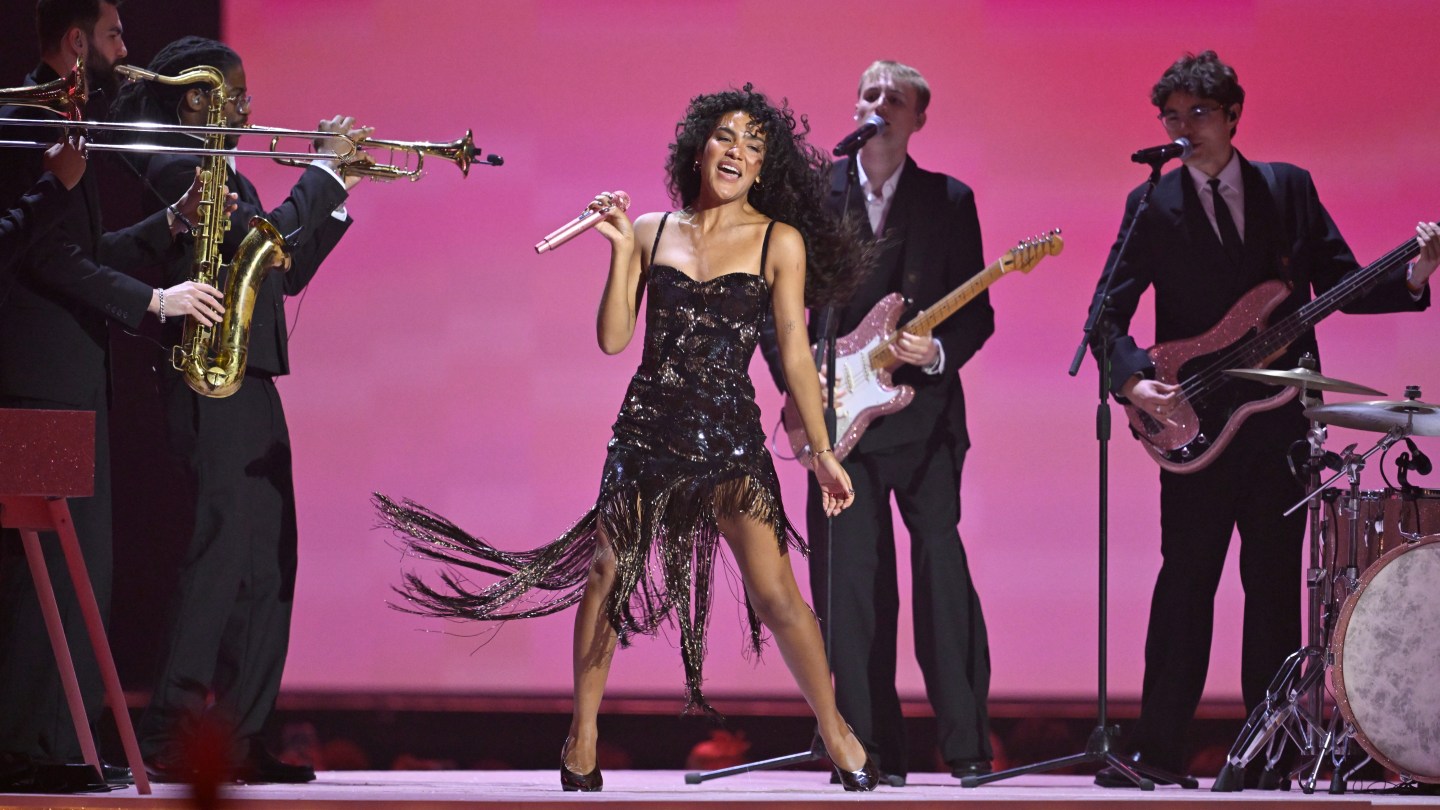
When the first screenshots of the lawsuit headline began flickering across Instagram stories at 10:02 p.m. Friday, thousands of fans froze in disbelief. Olivia Dean’s soaring “I’ve Seen It,” a track that had just hit 3 million streams in its first week, was suddenly entangled in a legal drama that pulled the entire industry into a vortex of speculation. Within minutes, TikTokers and Twitter users were quoting the alleged “obvious and inescapable” similarities, while others rallied behind the 29‑year‑old songwriter with hashtags that spiked to the top of the platform’s trending list. The backlash wasn’t just a fleeting storm; it was a full‑blown wave that carried with it a chorus of questions: How often do new pop hits mirror classic soul tunes? Can the music world afford a new wave of lawsuits? And what does this mean for the next wave of breakout artists?
Olivia Dean, who first burst onto the scene with the 2022 indie‑pop single “Blue,” has always been known for her knack of blending nostalgic melodies with contemporary rhythms. Born in Nashville, she honed her craft in the city’s storied recording studios before signing with a boutique label that championed fresh, genre‑blending voices. “I’ve Seen It” arrived as a polished anthem, featuring the bright, syncopated groove that has become a hallmark of Dean’s sound. Its release was met with enthusiastic streaming numbers and a growing legion of fans who appreciated the song’s bright hook and heartfelt lyricism. Yet the instant the lawsuit surfaced, even those who had loved the track were forced to confront the possibility that the melody might be too reminiscent of Bill Withers’ 1981 classic “Just the Two of Us.”
For anyone who has ever stood in the line of a record store and wondered why a familiar tune lingers in their mind, the accusation hit close to home. Withers, a legend in soul and R&B, co‑wrote a tune that has become a cultural staple, played on every radio station and in countless playlists worldwide. The lawsuit alleges that the chord progression, the rhythmic feel, and even certain melodic intervals in Dean’s track mirror those in Withers’ hit. The claim that the similarities are “obvious and inescapable” is a stark reminder that musical influence is a slippery line between inspiration and infringement.
Background & Context
The heart of the dispute lies in the music industry’s long‑standing practice of sampling and borrowing. Decades of pop history are replete with songs that nod to their predecessors, often sparking legal scrutiny. In this case, the core issue centers on the chord progression that underpins both tracks. While Dean’s production team has always maintained that the song was crafted from scratch, the similarity to Withers’ arrangement has prompted a formal review. The lawsuit filed by Withers’ catalog owners demands an examination of the compositional elements, focusing on the rhythmic syncopation that has become a signature of the original.
Bill Withers, who passed away in 2023, left a catalog that commands significant royalties. His signature sound, a blend of soulful vocals and understated instrumentation, has inspired generations of musicians. “Just the Two of Us” itself was a commercial triumph, topping charts and becoming a staple in pop culture. Its influence extends far beyond its era, evidenced by countless covers and references across media. Because the new track taps into a vein that has already proven so fertile, the claim is not unprecedented but certainly not routine. The music world has witnessed similar cases in the past, from disputes over “Blurred Lines” to controversies involving “Uptown Funk” and “Happy.” Each time, the courts have weighed the fine line between homage and plagiarism.
Olivia Dean’s legal team has argued that any perceived resemblance is a result of shared pop sensibilities rather than deliberate copying. They point to the distinct vocal delivery and the contemporary production style that differentiates “I’ve Seen It” from Withers’ original. Nevertheless, the label that released Dean’s single has taken a cautious stance, postponing any promotional appearances until the matter is resolved. This pause has given fans time to dissect the claim, leading to a surge in user‑generated content that pits the two songs side by side, inviting listeners to decide for themselves.
What People Are Saying
Fan reactions have been as polarized as the industry’s legal expectations. A wave of supporters has emerged on platforms like TikTok, where users compiled side‑by‑side clips of Dean’s track and Withers’ classic. Many argue that the melodic differences are significant and that the emotional tone of each song diverges sharply. Others, however, have taken a more skeptical stance, pointing to the chord sequence and rhythmic patterns that, in their view, are nearly identical. The conversation has become a digital battleground of “copycat” accusations versus “inspired homage” defenses.
Meanwhile, industry insiders are watching closely. Several prominent music producers, known for navigating the labyrinth of rights and clearances, have weighed in with their own opinions. Some warn that the lawsuit could set a precedent that may deter emerging artists from taking creative risks. Others argue that protecting intellectual property is essential to preserving the integrity of the art form. In interviews, a few senior executives hinted that the situation might lead to stricter guidelines for new releases, especially those that echo iconic tracks from previous decades.
The broader music community has also chimed in. Influential musicians who have built their careers on blending old and new have expressed support for Dean, emphasizing the importance of creative evolution. They recall their own early days of being accused of “copying” and argue that innovation often walks hand in hand with familiar melodies. Critics, however, caution that the line between homage and infringement is a slippery slope that, if crossed, could result in costly legal battles and reputational damage for artists and labels alike.
Social media has amplified every perspective, turning the lawsuit into a viral phenomenon that reached millions of users in a matter of hours. The hashtag #DeanVsWithers spiked to the top of the trending list, drawing in not only fans but also casual listeners who were intrigued by the musical debate. As the conversation spread, many turned to streaming platforms to compare the tracks side by side, creating a ripple effect that drove both songs higher on various charts.
What Happens Next
The lawsuit has set a 30‑day deadline for the parties to negotiate a settlement. Both sides have engaged legal counsel to explore possible avenues, ranging from licensing agreements to outright dismissal of the claims. Should the parties reach a settlement before the deadline, the outcome could involve financial compensation, a credit line on the track, or a mutual agreement to withdraw the claims entirely. However, if negotiations falter, the case may proceed to litigation, where a judge will ultimately decide whether the alleged similarities constitute copyright infringement.
In the meantime, Olivia Dean’s label has opted to put a temporary hold on all promotional activities for the single, including live performances and televised appearances. This cautious approach underscores the seriousness of the matter, as any public performance could inadvertently heighten the legal stakes. The label has also begun to engage with fans, offering exclusive behind‑the‑scenes content to maintain momentum while the dispute is resolved.
For Dean herself, the lawsuit represents a crucible that will test her resilience as an artist. She has repeatedly emphasized that her creative process is rooted in personal experience, and that any influences are woven into her music organically. Whether the lawsuit ends in a settlement or a court ruling, the event will likely prompt a re‑examination of how artists balance inspiration with originality. The outcome could also influence how labels approach new releases, prompting more thorough clearance checks and more robust legal frameworks to prevent future controversies.
On the legal front, the case could also inspire a broader industry review of how copyright law is applied to contemporary pop music. Advocates for artists have long argued that the existing framework is ill‑suited to modern production techniques that often blend multiple influences. As the debate continues, a potential shift toward clearer guidelines could reshape the industry’s approach to sampling, cover songs, and genre‑blending tracks. Until a final decision is reached, fans, musicians, and industry stakeholders alike will watch closely as this high‑profile legal battle unfolds.
In a music world that thrives on the delicate dance between nostalgia and innovation, Olivia Dean’s “I’ve Seen It” stands at a pivotal moment. The outcome of the lawsuit will not only decide the fate of a single song but could also ripple across the entire pop landscape, redefining how we perceive musical ownership in an era where every beat has a lineage. The next few weeks promise to be as dramatic for the industry as the melody itself.
The Bottom Line
At MyWorldPulse, we see this lawsuit not just as a legal skirmish but as a watershed moment for the music community. While artistic influence is inevitable, the court’s decision will clarify where homage ends and infringement begins. Artists must be encouraged to craft fresh sounds, yet labels and managers must rigorously vet compositions to avoid costly litigation. This case reminds us that the heart of creativity lies in transformation, not replication. The stakes are high: a ruling favoring Withers could chill the adventurous spirit of emerging musicians, while a dismissal would embolden risk‑taking but risk eroding protections for original creators. As fans, we deserve music that feels both familiar and novel, and the industry should champion that balance. Our view is clear: the music ecosystem thrives when innovation respects lineage, and we will closely monitor how this lawsuit reshapes that equilibrium. —MyWorldPulse.com
Reference:
- Official post on Olivia Dean's verified Instagram account
- Official press release from Bill Withers' estate regarding lawsuit
Read more celebrity news at MyWorldPulse.