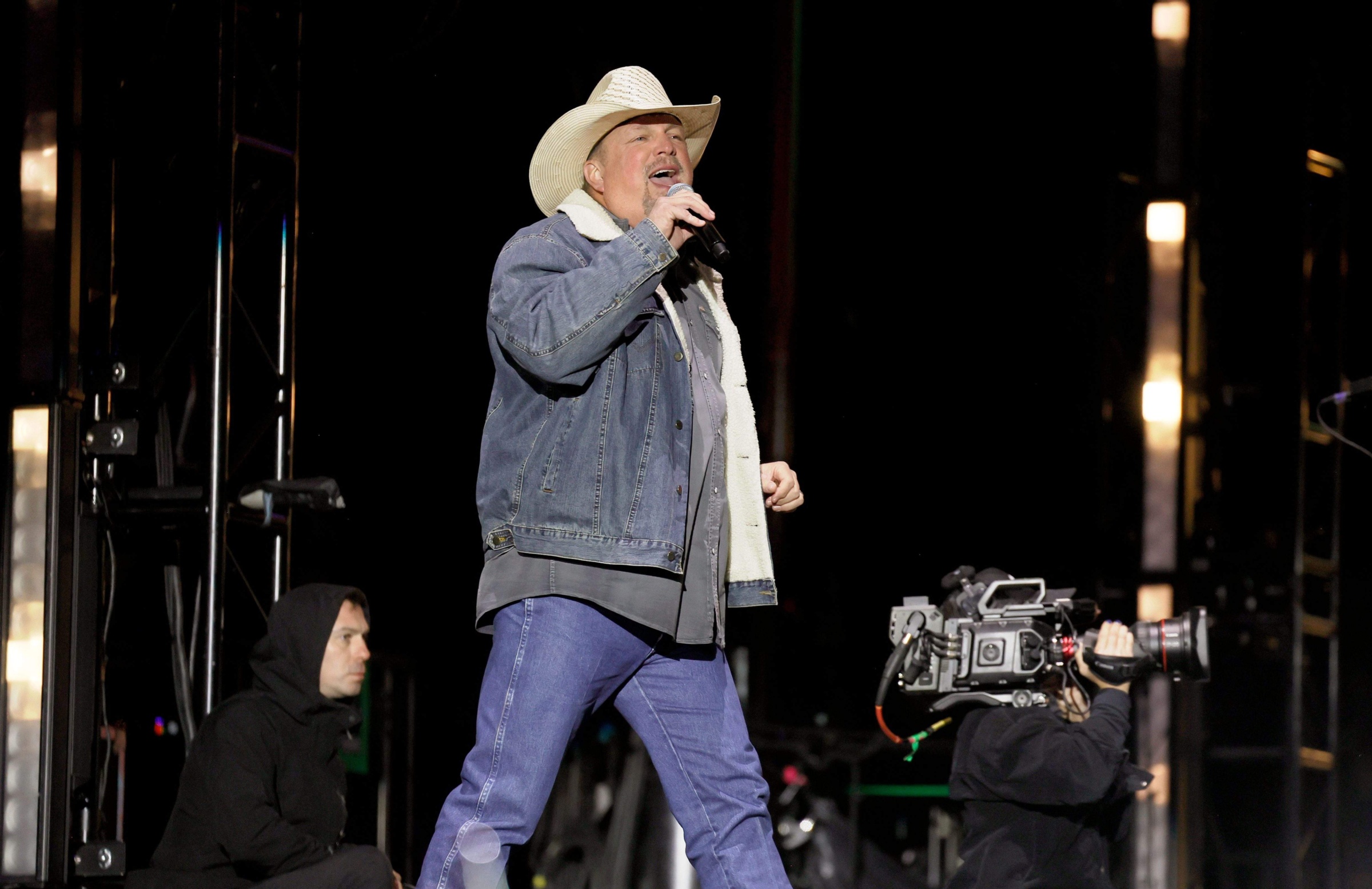
In a bold move that could reshape Nashville’s airwaves, country superstar Garth Brooks has purchased the 100.1‑MHz frequency for a new FM station while simultaneously rescuing the city’s longest‑running independent radio outlet, Lightning 100, from closure. The deal, still awaiting FCC approval, signals a broader industry shift toward preserving local content and leveraging star power to support niche platforms that have struggled in a streaming‑dominated world.
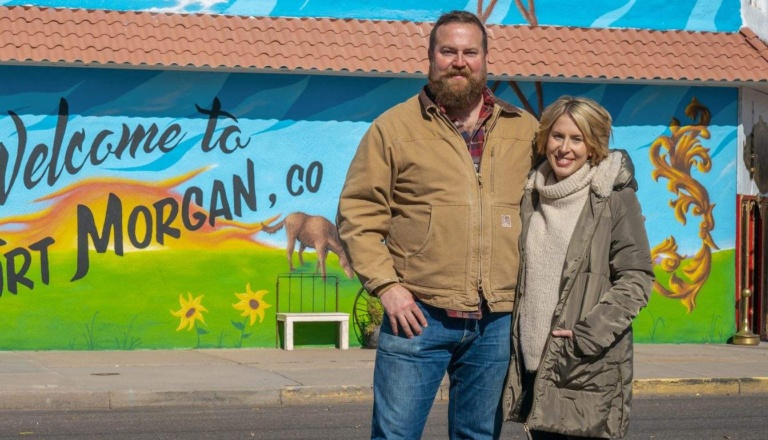
The announcement arrives on the heels of two other notable industry moments. Jessica Chastain, in her most daring film role to date, leads Shana Feste’s gritty mystery “Heartland,” a story set in Nashville’s seedy underbelly that has captured the attention of film‑goers and critics alike. Meanwhile, former HGTV star Karen Laine is navigating a personal real‑estate saga, dropping the price of her Wilmington, North Carolina, home in a desperate bid to sell and move back to Indiana. Together, these stories underscore a landscape where high‑profile personalities are not only creating content but also shaping the platforms that deliver it and the spaces that inspire them.
Background & Context
Garth Brooks’s entry into the radio arena follows a long history of the artist’s engagement with Nashville’s music scene. When the legendary singer first appeared on the airwaves, he helped launch several radio projects aimed at promoting country music. In 2025, he spotted a post from Lightning 100 that read “Save Our Station,” a message from the pandemic era that sparked the idea of a public‑service station for locals, tourists, and the region’s weather‑prone communities. Brooks envisioned FM‑100 as a resource for city‑wide updates, event promotion, and emergency information—an endeavor that would cement his legacy as a benefactor of the music industry beyond the stage.
Lightning 100 has, for 36 years, championed indie rock, local artists, and Americana acts that often go unheard on mainstream networks. The station’s programming has cultivated a loyal listener base, but the post‑pandemic economic downturn left its owners in a precarious position. The deal brokered by Tuned In Broadcasting, Inc. and Cromwell Media Nashville allows Lightning 100 to keep broadcasting, albeit on a new frequency—106.3 FM and 102.5 FM HD3—while the 100.1‑MHz slot becomes FM‑100. This arrangement preserves the station’s identity while injecting fresh capital and vision into the local radio ecosystem.
In a parallel cultural development, Shana Feste’s “Heartland” delivers a cinematic portrait of Nashville’s darker corners, focusing on former country star Jessica Chastain’s character, a hard‑edged woman grappling with a thriller‑like crisis. Feste, known for her previous work on “Country Strong,” leverages the city’s real‑world grit to ground her narrative, providing audiences with a cinematic experience that echoes the very environment FM‑100 aims to protect. The film’s release has sparked discussions about Nashville’s dual identity: a glittering music capital and a place where shadows linger, a duality that radio and film are both beginning to explore and preserve.
Karen Laine’s journey from a celebrated television personality to a real‑estate entrepreneur mirrors the broader shift of entertainers diversifying their portfolios. After retiring from the show “Good Bones” in 2019, Laine moved back to Indiana, completing a Greenfield home that now boasts solar panels, EV chargers, and eco‑friendly finishes. The price of her Wilmington property has dropped from an initial $500,000 to $399,000 in June 2026, a move that underscores how even high‑profile individuals are subject to market forces. Her story illustrates the intersection of personal ambition and market realities, a theme that resonates with Brooks’s own recalibration of his career into community service.
What People Are Saying
Industry insiders have reacted with cautious optimism. Lester Turner, President of Tuned In Broadcasting, expressed disappointment at losing the 100.1‑MHz home base but excitement over the partnership with Cromwell Media. He emphasized that listeners will need to adjust to new frequencies but will still hear the familiar Lightning 100 programming that has become a staple for local artists. Turner's remarks suggest a broader acceptance that radio stations can survive by evolving rather than abandoning their core mission.
From the perspective of music advocacy groups, the purchase is a significant victory. “Saving Lightning 100 is a win for the entire independent music community,” said a spokesperson for a Nashville‑based music coalition. The coalition highlighted how local stations serve as a launchpad for emerging talent, providing airplay that streaming algorithms rarely grant. The fact that a superstar is willing to invest in such a platform is seen as a validation of its cultural value.
Meanwhile, fans of “Heartland” have praised the film’s candid portrayal of Nashville’s underbelly, noting that it complements the real‑world efforts to preserve the city’s authentic voice through FM‑100. Critics argue that both the movie and the radio deal showcase a growing trend of artists who recognize that their influence extends beyond performance into shaping the media landscape that feeds their audience.
On the real‑estate front, Laine’s dropping of her Wilmington property’s price has been interpreted as a strategic move to clear the way for new projects back home. Her commentary on the move—“I’m not working for a paycheck anymore” and “I’ve been doing everything I want to do”—resonates with a segment of artists who view their careers as extensions of personal freedom rather than just commercial ventures. The broader industry takes note: when artists diversify, they bring with them the same passion for community that underlies Brooks’s radio initiative.
What Happens Next
If the FCC greenlights the transaction, FM‑100 will begin broadcasting, offering a blend of local news, weather updates, event coverage, and music that caters specifically to Nashville residents, tourists, and visitors. The station’s community‑service mandate is expected to fill a niche that digital platforms have not fully addressed, especially during severe weather events when reliable information can be lifesaving. The success of FM‑100 will likely depend on the station’s ability to maintain a balance between high‑profile content and the grassroots programming that has kept Lightning 100 loyal for decades.
Lightning 100’s relocation to 106.3 FM and 102.5 FM HD3 will allow the station to continue its mission of amplifying indie and Americana music. The new frequencies could offer higher fidelity or broader coverage, potentially attracting new listeners and sponsors while retaining the station’s core identity. The partnership with Cromwell Media Nashville, a company with a strong focus on community‑driven media, suggests that the station may also expand its digital footprint, offering streaming options and podcasts that broaden its reach beyond traditional FM listeners.
In the cinematic realm, “Heartland” will likely inspire similar projects that explore the less glamorous aspects of musical hubs, prompting producers to seek stories that resonate with audiences craving authenticity. As more artists like Garth Brooks step into roles as content curators and community advocates, the entertainment industry may see a gradual shift toward multifaceted engagement—where stars not only perform but also build, protect, and evolve the platforms that connect them to fans.
Karen Laine’s real‑estate venture remains a personal narrative, yet its broader implication points to a trend of artists leveraging their public profile to navigate complex market environments. Her willingness to adjust the price of her property may serve as a case study for how public figures can adapt to fluctuating economies while maintaining authenticity.
Closing
The convergence of Garth Brooks’s radio venture, Jessica Chastain’s gritty film, and Karen Laine’s real‑estate saga illustrates a entertainment industry that is increasingly interconnected with community, authenticity, and adaptability. As a country music icon reclaims a frequency to serve Nashville’s residents, a film director turns a city’s shadows into cinematic gold, and a former reality star redefines her living space, the sector is reminded that its most enduring stories are those that both reflect and shape the communities that sustain them.
The Bottom Line
MyWorldPulse.com sees Garth Brooks’ purchase not merely as a business transaction but as a cultural statement. By stepping into the realm of local radio, the country icon reclaims the narrative that Nashville’s identity is not just about polished charts but about community pulse and shared experience. This move validates the idea that entertainment stars can be stewards of public good, using their platform to safeguard local voices against the homogenizing tide of streaming services. It also raises a vital question for other artists: should influence be measured by the breadth of their audience, or by the depth of their impact on the places they inhabit? In the end, FM‑100 promises to be a beacon—an FM signal that carries music, safety, and community spirit, proving that the best stories are those that listen as much as they are heard. —MyWorldPulse.com
Reference:
- Official Garth Brooks Instagram post announcing the 100.1 MHz acquisition
- Official Jessica Chastain Instagram post promoting ‘Heartland’
- Official Karen Laine Instagram post announcing Wilmington home price drop
Read more celebrity news at MyWorldPulse.