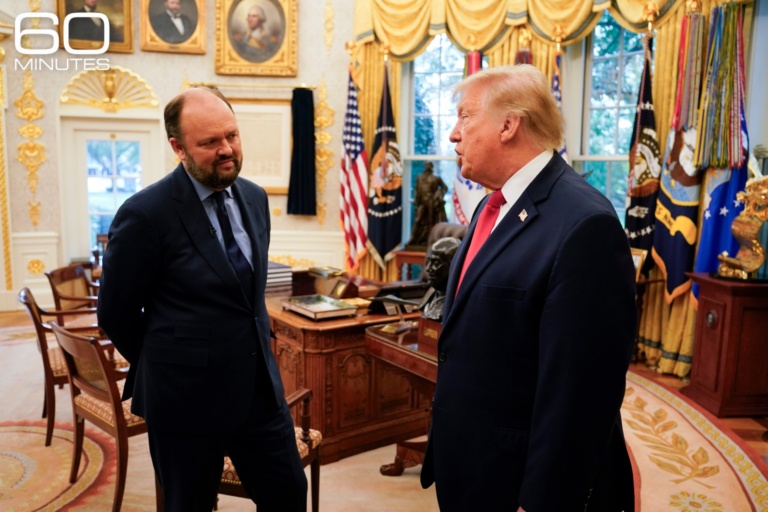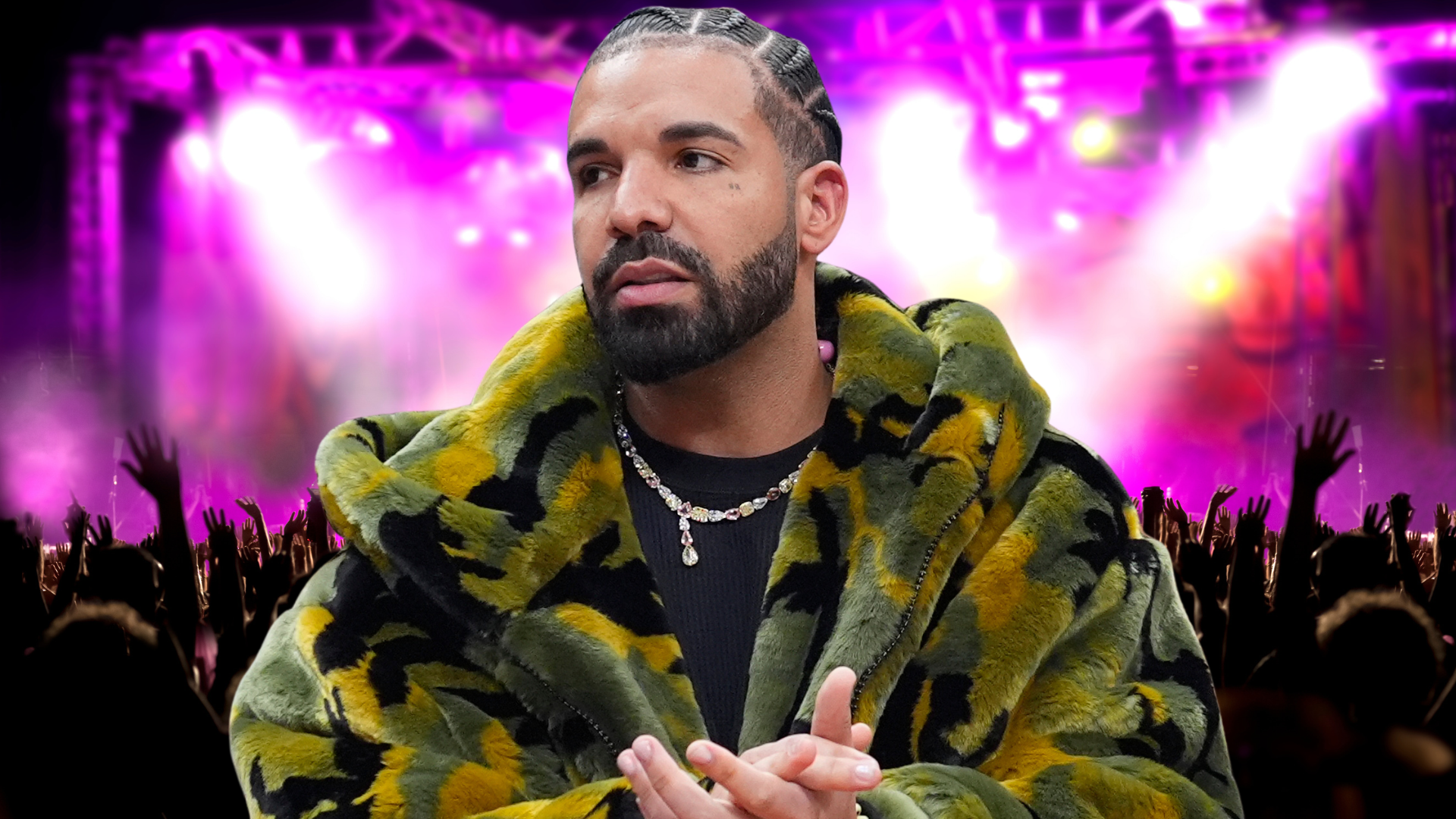
Two moments that feel like they belong in separate stories—one a Hollywood‑ready plot about a tech titan’s downfall, the other a pop star’s quiet farewell to a chart‑climbing hit—now collide to signal a broader pivot in entertainment. Both hint that the next era of celebrity may lean more on the narratives behind the headlines than the headlines themselves.
The first thread comes from a rumor that a blockbuster could soon follow the true‑story arc of Jensen Huang, the 60‑year‑old founder of NVIDIA, as a Chinese honey trap brings him to his knees. The second pulls back the curtain on a different kind of drama: Drake’s live‑stream confession that “Take Care” with Rihanna may finally retire from the set of his live shows. On their own, they look like a tech thriller and a musical moment; together, they illustrate a shift toward real‑world intrigue, personal evolution, and audience engagement that could redefine how we experience star power.
Background & Context
Hollywood has long been a fan of “real‑life” thrillers—think Catch‑22, The Last Emperor, or the recent The King’s Speech. A script that follows the rise and fall of a Silicon Valley mogul offers a rich blend of ambition, innovation, and moral ambiguity. Jensen Huang’s 1993 founding of NVIDIA, his rise to a company valued in the billions, and his reputation as a “visionary” make for a compelling protagonist. The speculation that a Chinese honey trap might be the catalyst for a dramatic collapse taps into contemporary anxieties about geopolitics, privacy, and corporate ethics. While the story is still unverified, the mere fact that studios are already eyeing a potential film demonstrates the market’s appetite for narratives that blur the lines between business and thriller.
Meanwhile, the music industry is experiencing its own kind of evolution. Artists increasingly use live‑stream platforms—Kick, Twitch, YouTube Live—to interact directly with fans, bypassing traditional gatekeepers. Drake’s choice to host a session on Kick with streamer Trainwreckstv is emblematic of this trend. His announcement that “Take Care,” the 2011 track that peaked at No. 7 on the Billboard Hot 100, might be the last time he performs it, adds a personal, almost confessional layer to the performance. It reflects a broader move toward authenticity: fans get to hear the artist’s real thoughts, and the artist acknowledges the finite lifespan of a song’s cultural relevance.
Both stories are anchored in the digital age. NVIDIA’s GPUs power the very machine learning algorithms that analyze user data for streaming services; Drake’s streaming shows are powered by the same cloud infrastructure that supports the global music distribution network. The convergence of tech and music is no accident—it’s the backdrop against which these narratives unfold.
What People Are Saying
Industry insiders who keep their comments off the record suggest that a film about Jensen Huang would combine high‑stakes corporate drama with a deeper critique of national identity. The rumored plot points—a Chinese operatives’ sting operation, an ethical dilemma about AI, and a high‑octane boardroom showdown—align with the genre’s proven ability to captivate. Hollywood execs say the potential to explore the clash between Western innovation and Eastern state power could attract both domestic and international audiences, boosting box‑office prospects.
On the musical side, fans on social media are already debating whether Drake’s “Take Care” retirement is a sign of artistic growth or a strategic branding move. Some argue that the song’s 2011 release and its connection to Rihanna’s “What’s My Name?” era mark a nostalgic milestone; others view the decision as a deliberate attempt to keep his live repertoire fresh and unpredictable. Analysts note that Drake’s livestream appearance was timed for a day when his fanbase was especially active, ensuring that the message would resonate across time zones.
Both narratives are being amplified by the very platforms that facilitate them. The buzz around the possible Jensen Huang film is already circulating on Twitter and Reddit, with threads dissecting the plausibility of the honey trap storyline. In contrast, Drake’s livestream attracted thousands of viewers in real time, and the clip of his “Take Care” announcement quickly trended, fueling further speculation about his future setlists and the sustainability of his long‑running hits.
What Happens Next
If a studio moves forward with a Jensen Huang screenplay, the next steps will involve securing rights, assembling a creative team, and negotiating a cast that can capture the complexity of a tech visionary. The project will likely undergo rigorous vetting for political sensitivity, given the Chinese angle. A successful film could spur a wave of biographical thrillers set in the high‑tech world, prompting studios to look for other unscripted corporate sagas ripe for dramatization.
Drake’s decision, meanwhile, signals a possible shift in how artists curate their performance catalogues. As musicians grapple with the rapid consumption cycle of streaming, they may lean toward rotating hits rather than performing a static setlist. Future concerts could feature more surprise appearances, reinterpretations, or even entirely new songs introduced on the fly. This dynamic approach could keep live events unpredictable and increase repeat attendance.
For both stories, the audience’s role is pivotal. Viewers of the potential Jensen Huang film will decide whether the narrative’s thriller elements resonate enough to warrant a high‑budget production. Fans of Drake will watch how the “Take Care” retirement impacts his streaming numbers and concert ticket sales, perhaps even measuring the emotional weight of a single performance's disappearance from his repertoire.
As entertainment continues to intersect with real‑world currents—geopolitical intrigue on the big screen, and personal authenticity in the studio—the industry may find itself moving away from formulaic tropes toward narratives that reflect the complexities of the digital age. Whether it’s a corporate plot or a single hit, the stories that shape tomorrow’s pop culture are increasingly drawn from the very systems that power them.
The Bottom Line
Our view is that entertainment’s pivot toward authentic, real‑world storytelling is not just a passing trend but a strategic recalibration of how stories are told and who gets to tell them. The Jensen Huang biopic, if greenlit, would signal Hollywood’s recognition that audiences crave narratives that speak to the anxieties of a hyper‑connected world—where data, AI, and geopolitics intertwine. By rooting a story in the life of a living tech titan, studios can explore fresh ethical terrain and engage viewers on a level that transcends conventional character arcs. Simultaneously, Drake’s livestream confession illustrates how musicians are reshaping their relationship with fans: dropping a hit to keep sets fresh is a bold move that rewards transparency and encourages repeat viewership. Together, these shifts demonstrate a broader industry acknowledgment that celebrity is increasingly defined by personal evolution and audience interaction rather than by scripted spectacle. Embracing this trend will be essential for creators who want to stay relevant and for audiences who seek depth beyond the glossy surface. — MyWorldPulse Editorial Team
Read more celebrity news at MyWorldPulse.