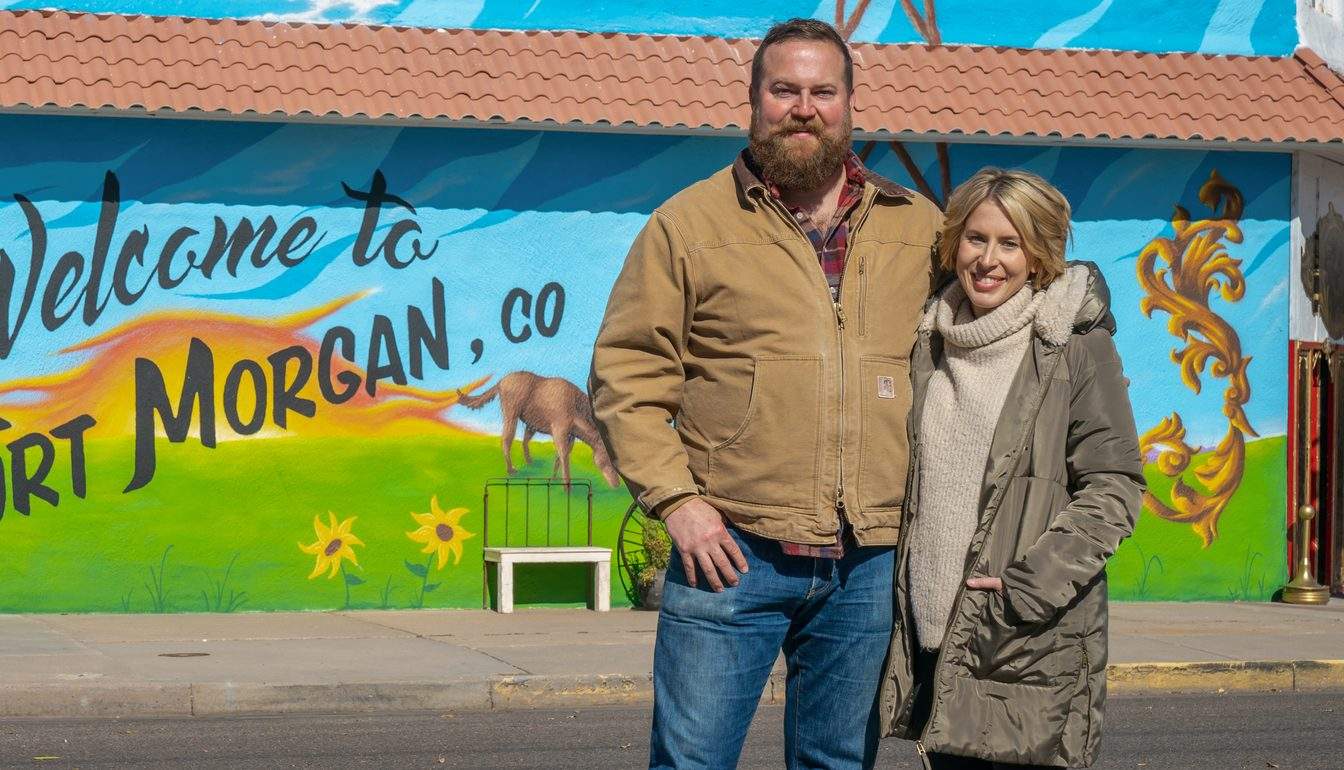
Erin Napier, the beloved HGTV personality who grew up in Laurel, Mississippi, has turned to the very town that shaped her into a household name. After a devastating blaze tore through the Heirloom Hotel, the family’s downtown haven, she is urging neighbors and fans to rally behind the small‑business community that had been reborn in her presence. Meanwhile, at the opposite end of the spectrum, Jenelle Evans’s 17‑year‑old son, Jace, has released a bright, carefree video that signals a hopeful chapter after months of mental‑health treatment and isolation.
In a single post that stitched together the ache of loss and the spark of renewal, Napier described the toll of the fire—no injuries, a blaze that ignited at the roof, and subsequent water damage that has left the lower floors in ruin. She highlighted how the town’s revitalization had seen a flurry of investments in Magnolia Street, where “Lauren Plant Parlor, Eat at Pearls, Caron Gallery, Southern Antiques, Cafe Le Fleur, Guild and Gentry, and Thompson Dry Goods” were once bustling spots. Construction work, she said, now turns the street into a maze of orange safety netting and bulldozers, threatening foot traffic and the lifeblood of these businesses.
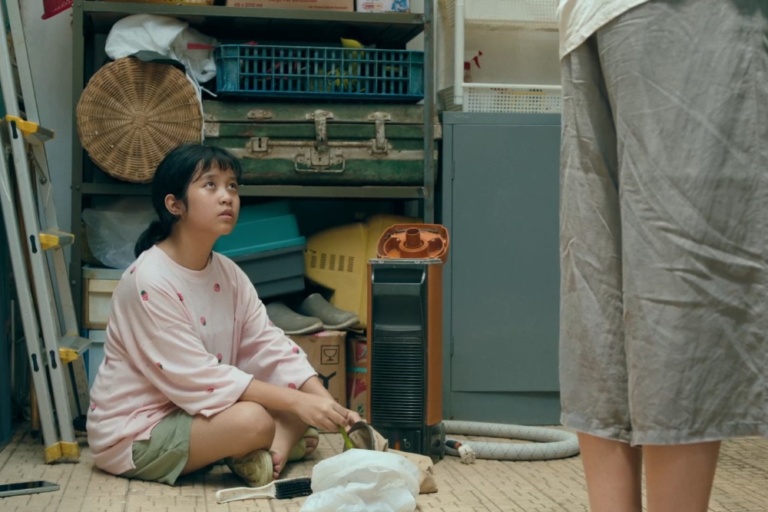
Jace Evans, in contrast, offers a glimpse of ordinary teenage joy. After a February stint in a treatment facility and a summer return to his grandmother’s care in North Carolina, he posted an Instagram video that captures him cruising on an electric scooter, laughing with friends, and even dealing with a dog’s “doo‑doo” cleanup. His caption—“hope u guys are having a good day”—echoes a simple, everyday gratitude that feels both intimate and wide‑ranging. In the same thread of public sentiment, fans of both stars are taking to social media to applaud resilience and call for community action.
Background & Context
Erin Napier’s story is rooted in a town that, over the past decade, has reimagined itself through a wave of local entrepreneurship and the influence of reality television. Since her early days on “Home Town Takeover,” the town’s population has grown, and downtown streets now feature a mix of artisan shops, cafés, and galleries. The Napiers, as a family brand, have invested in renovating several properties, turning them into homes for local artisans. The Heirloom Hotel, once a cornerstone of the town’s hospitality scene, burned down early last year. Though the fire caused no human casualties, the resulting water damage has left the building in a state of limbo, with insurers negotiating a settlement that has kept many uncertain.
The city’s roadwork, meanwhile, has become a modern obstacle to commerce. A multi‑month construction project on Magnolia Street has rerouted traffic, installed orange safety netting, and stationed bulldozers near storefronts. For businesses that once thrived on the constant flow of visitors—especially during holiday shopping seasons—these disruptions threaten not just a temporary dip but a potential permanent closure. Napier, who has been a vocal advocate for local commerce, urges residents and tourists alike to support these establishments by visiting and purchasing locally. She emphasizes that the community’s survival hinges on a collective effort to keep these doors open.
Jace Evans’s journey began with the upheaval of a teen’s mental health crisis. In February, after a troubling incident involving his grandmother’s family in North Carolina, he was admitted to a treatment facility. This move was a critical first step in a longer, more complex path toward stability. By the summer, he had returned to his grandmother’s home, a setting that offers both comfort and continuity. Despite ongoing challenges, the recent video captures a slice of normalcy—riding an electric scooter, laughing at a tumble, and sharing a light‑hearted moment with a pet. These everyday scenes resonate deeply with a generation that has lived through heightened mental‑health awareness and the impacts of social media on youth well‑being.
Both narratives intersect on a shared theme: the power of community support in healing and sustaining individuals and local economies alike. While Napier’s appeal is economic, Jace’s is emotional, yet each illustrates how collective effort can transform crisis into resilience.
What People Are Saying
The responses to Napier’s Instagram plea have been swift and heartfelt. The hashtag #SupportLaurelShops has trended locally, with business owners such as Southern Antiques posting appreciative messages. One owner, speaking in a comment, declared, “If you haven’t shopped downtown lately please come see us! Our town will not be the same without our amazing locally owned businesses!” Fans, many of whom grew up watching her series, have pledged to visit shops, buy souvenirs, and spread the word on their own social feeds. A small‑town mayor added that the city would be exploring grants to help businesses recover, underscoring a partnership between municipal and private sectors.
On the other side, Jace’s video has sparked a wave of positive comments on Instagram. Fans of Jenelle Evans’s “Teen Mom” legacy took the opportunity to remind Jace that he is not alone, sharing messages like “you’ve got this” and “rooting for you every step.” His grandmother, Barbara Evans, who appears in the clip cleaning up after a dog, was thanked by many for her unwavering support. Mental‑health advocates also chimed in, noting the significance of visibility for teens dealing with similar struggles. A supportive post from a mental‑health nonprofit highlighted that Jace’s candidness offers hope to other young people who might be grappling silently.
The conversation has also opened a broader dialogue about the importance of mental‑health resources for adolescents and the role local businesses play in supporting community well‑being. One commentator noted that “shops in towns like Laurel are more than commerce—they’re gathering places that can help teens feel safe.” In response, Napier tweeted a brief acknowledgment of Jace’s courage, linking the two stories as a reminder that personal and economic recoveries often happen side by side.
What Happens Next
Erin Napier’s next steps involve a strategic call to action. She has requested that visitors purchase local products, book experiences, and keep the conversation alive on social media to maintain pressure on both city officials and insurance companies. Napier also indicated that she plans to use her network to advocate for a quicker resolution with the hotel’s insurer, hoping that a settlement can fund a rebuild that preserves the historical charm of the downtown. The town council, having acknowledged the urgency, is scheduled to meet in early December to discuss potential emergency funds and public‑private partnership models.
Jace Evans’s future trajectory is hopeful but still uncertain. After the summer’s return to his grandmother’s care, he is set to resume a structured program that includes therapy, community service, and school activities. The video, which shows him in a carefree moment, suggests that he is ready to reintegrate into normal teenage life. His family has expressed a commitment to ongoing support, and Jace himself has hinted at plans to share more content that highlights his recovery process. This new transparency could help demystify mental‑health journeys for his peers, offering a model of resilience that others can emulate.
In both cases, the next months will test the resolve of a town and a family. Laurel’s downtown will rely on a ripple effect of purchases, petitions, and policy decisions, while Jace will continue to navigate the delicate balance between privacy and public sharing. The stakes are personal yet universal—showing how a community’s fabric is woven by the support of its people, whether it’s a local boutique or a teenager taking a scooter ride under an open sky.
As the holiday season approaches, Erin Napier’s earnest call and Jace Evans’s joyful vlog remind us that recovery is not a single act but a series of small, courageous steps. Whether it’s a shopkeeper pushing a cart through a sidewalk filled with construction, or a teenager grinning while riding a scooter, the message is clear: community, kindness, and the willingness to lend a hand can rebuild what was lost and nurture what remains.
The Bottom Line
At MyWorldPulse we see Erin Napier’s outpouring of support for Laurel’s downtown as a masterclass in community‑first journalism. By calling on fans to buy local and pressure insurers, Napier demonstrates how a well‑known face can mobilize a town’s economy, turning a disaster into a rallying cry. Equally, Jace Evans’s candid vlog reminds us that personal recovery stories, when shared authentically, can galvanize broader mental‑health conversations and inspire peers. Together, these stories show that the most compelling news isn’t just about headlines—it’s about how individuals use their platforms to heal and uplift the communities that shaped them. We encourage other media outlets to give equal weight to these intertwined narratives, reinforcing the idea that resilience, whether economic or emotional, thrives when the community stands together.
Reference:
- Erin Napier's Instagram post on her verified account
- Jace Evans's Instagram video on his verified account
Read more celebrity news at MyWorldPulse.