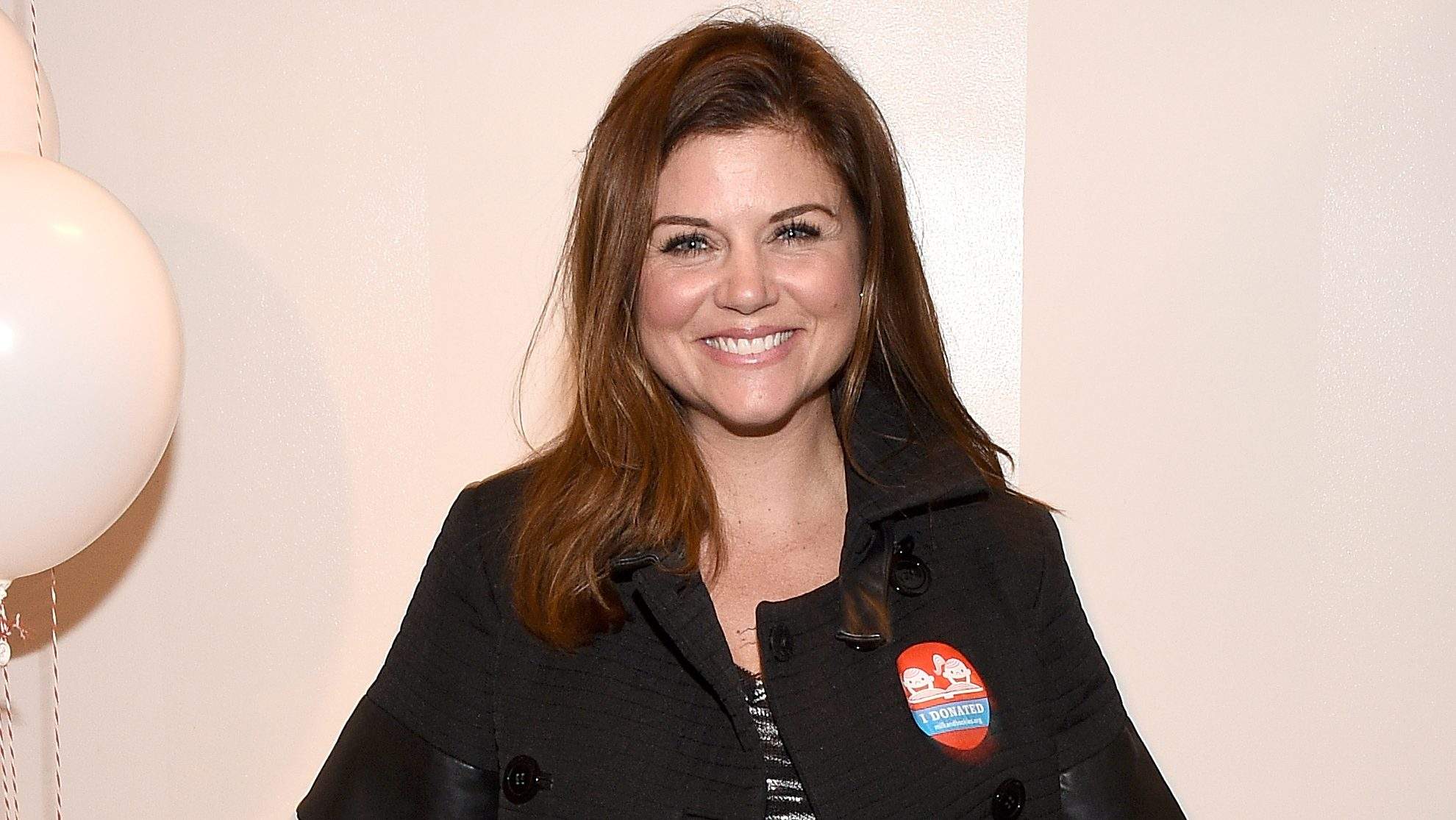
When a flurry of tweets erupted at 8:12 a.m. Eastern on November 25, fans found Tiffani Thiessen’s Instagram caption: “Just finished the last set of steroid shots. Pickleball for four hours, no pain. Going to do the hip replacement in 2025.” The comment thread exploded with emojis, questions, and well‑meaning wishes, all converging on the actress’s decision to postpone a life‑changing surgery while she wraps up the second season of Coven Academy.
At the same time, Netflix’s new biopic Tyson Fury was making headlines for a different reason. A scene that implied Fury suffered from schizophrenia was pulled after the boxer himself said the claim was false. Viewers and mental‑health advocates alike chimed in, debating the responsibility of filmmakers when dealing with a public figure’s mental well‑being. The simultaneous release of these two stories—one about a beloved TV star’s personal health choice, the other about a film’s controversial edit—sent shockwaves through the entertainment community, spurring a wave of online discussion that spanned from “We love you, Tiffani!” to “Why remove that scene?”
Background & Context
Tiffani Thiessen first hinted at her hip troubles in a candid November 10 appearance on the Breaking Bread with Tom Papa podcast. She described a lifelong history of dance, marathons, and triathlons, all of which she credits for wearing down her naturally shallow hip joints. The actress revealed a diagnosis of hip dysplasia, a condition where the bones of the joint fail to fit snugly. Though most cases are spotted in infants, mild adult cases often go unnoticed until pain surfaces.
In the interview with Woman’s World, Thiessen clarified that she had already undergone a steroid injection that allowed her to play four hours of pickleball without discomfort—a rare testament to the temporary relief these injections can provide. However, she acknowledged that the underlying issue remains, and she plans to undergo a hip replacement in 2025, after concluding filming for Coven Academy’s second season. “It’s part of getting old and being active,” she said, hinting that a new hip will restore the life‑long passion that defines her.
The Tyson Fury story unfolded in a different arena. Netflix released a biographical documentary titled Tyson Fury that chronicles the boxer’s preparation for his upcoming bout with Anthony Joshua. One segment, depicting Fury’s wife asserting he suffers from schizophrenia, was excised after Fury publicly denied having the condition. The edit, made within days of the film’s debut, ignited debate over the depiction of mental health and the rights of subjects in documentary storytelling. Fury, a vocal advocate for mental‑health awareness, used the moment to emphasize the importance of accurate representation.
What People Are Saying
On social media, the first wave of reactions centered around Thiessen’s post. Long‑time fans flooded her story with emojis, reminiscing about her iconic Saved by the Bell days. Many expressed admiration for her candidness, while others urged her to prioritize her health over the show’s schedule. Some questioned whether the four‑hour pickleball session could mask deeper pain, sparking a discussion about how athletes manage chronic conditions.
Concurrently, the Tyson Fury edit sparked a separate chorus of commentary. Supporters of the boxer applauded the decision to remove the misleading scene, noting that it could perpetuate harmful stereotypes about mental illness. Mental‑health advocates highlighted the broader issue of documentary makers taking liberties with sensitive topics, arguing for stricter guidelines to protect subjects. A few critics, however, raised concerns that such edits might diminish the narrative’s authenticity, prompting a debate over artistic integrity versus ethical responsibility.
Industry insiders and health professionals weighed in on both fronts. Physical‑therapy experts underscored the importance of proper timing for hip surgeries, aligning with Thiessen’s choice to wait until after filming. Meanwhile, psychologists and media scholars discussed the impact of Fury’s denial on public perception, noting that the boxer’s proactive stance could encourage more open conversations about mental health. Both voices converged on a single insight: transparency, whether personal or artistic, remains crucial in a media landscape that thrives on immediacy.
What Happens Next
Thiessen is set to finish filming Coven Academy’s second season in the coming weeks. Once the season wraps, she will head to the hospital for her hip replacement, a procedure expected to restore her mobility and allow her to return to the demanding lifestyle she has long cherished. She promised regular updates on her journey, which fans eagerly anticipate, hoping the surgery will be a catalyst for a renewed chapter in her life.
On the documentary front, Netflix has released a brief statement affirming its commitment to presenting accurate narratives. While the edit has already been incorporated into the streaming version, the company said it would continue to engage with subjects to ensure respectful portrayal. As for Fury, his fight with Anthony Joshua is scheduled for next month, and the boxer has indicated that his focus remains on training and mental preparedness rather than the documentary’s final cut.
Both stories also point to a broader industry trend: public figures navigating the intersection of personal health, professional obligations, and media representation. Fans, experts, and creators alike are watching closely as Thiessen’s surgery progresses and as Fury’s narrative evolves, each event offering lessons about resilience, authenticity, and the power of storytelling in contemporary entertainment.
In the end, the day’s headlines reminded us that even amid the spotlight’s glare, the human stories beneath remain complex and deserving of respect. Whether it’s a woman balancing a career with her health or a boxer fighting to correct a narrative, the world watches with a mix of curiosity and care.
The Bottom Line
MyWorldPulse.com believes that the entertainment industry must move beyond sensationalism and embrace a framework of accountability. Tiffani Thiessen’s openness about her hip condition is a refreshing reminder that actors are human beings whose stories deserve respect rather than exploitation. In the same vein, Netflix’s willingness to edit a misleading scene reflects a growing recognition that accuracy and sensitivity are not optional luxuries but necessities in documentary filmmaking. These moments reveal a turning point where audiences, increasingly media‑savvy, demand integrity and transparency. For creators, this means re‑evaluating the ethical dimensions of their work—consulting with experts, securing informed consent, and providing context for sensitive topics. If we fail to adapt, we risk eroding public trust and perpetuating harmful stereotypes. Therefore, the industry must commit to clear guidelines that safeguard both personal narratives and factual integrity, ensuring that entertainment can inform, entertain, and inspire without compromising the dignity of its subjects. Signed, the editorial team at MyWorldPulse.com.
Reference:
- Official post on Tiffani Thiessen's verified Instagram account
- Official statement on Tyson Fury's verified Twitter account
Read more celebrity news at MyWorldPulse.