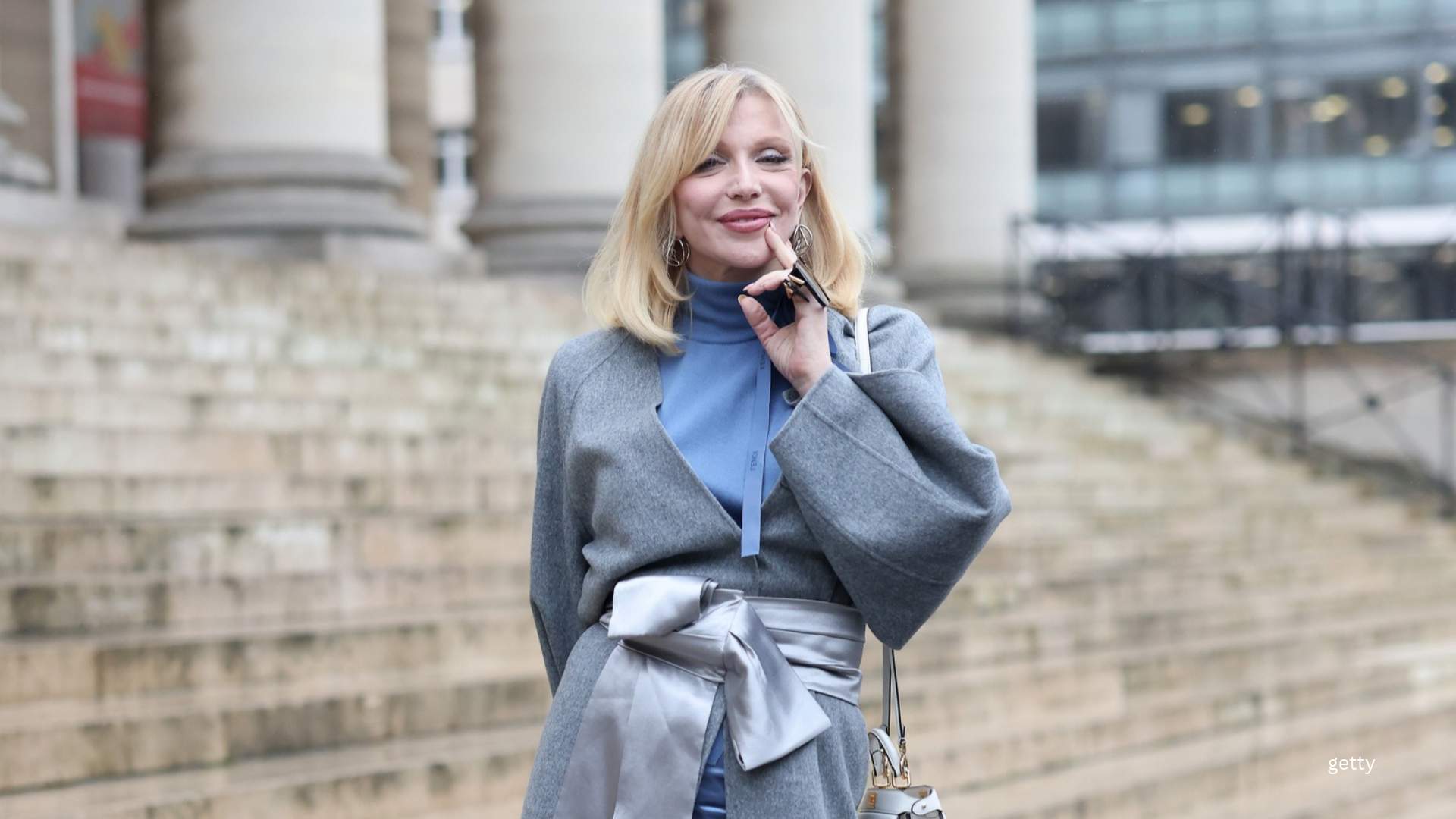
When the former frontwoman of Hole shared a raw, unfiltered selfie on Instagram, the feed erupted. Courtney Love, known for her punk‑era grit and unapologetic stage presence, posted a photo of herself with no cosmetics, her face lit by a soft, dewy glow that seemed to have been freshly harvested from a spa. The 62‑year‑old rocker captioned the shot: “No filter on my skin. It’s insane.” She added that she’d just had a Korean “Skin Glass” facial in London, performed by dermatologists Dr. Marwa Al‑Hajj and Dr. Costas Papageorgiou. The post went viral within hours, drawing comments from fans, designers, and fellow models, sparking a broader conversation about aging, authenticity, and the growing influence of K‑beauty in the West.
Love’s decision to flaunt her skin after the treatment is more than a casual Instagram moment; it signals a shift in how older artists engage with their public personas. Historically, musicians have either leaned heavily into theatrical makeup or, conversely, embraced rugged authenticity—think the raw looks of Joan Jett or the weather‑worn visage of Neil Young. Love’s current presentation sits at the intersection of these two extremes, suggesting that she’s found a new form of self‑expression: one that celebrates both the science of modern skincare and the inevitability of aging.
Her image also reflects the broader cultural trend of Korean skincare infiltrating Western beauty routines. From “glass skin” to “milky blushes,” K‑beauty has moved from niche trends to mainstream staples, with celebrities often credited as the drivers of its popularity. Love’s post, therefore, is not just a personal statement; it’s a cultural touchstone that could influence countless fans and industry players alike.
---
Background & Context
The “Skin Glass” facial, a Korean technique renowned for its deep hydration and radiant finish, involves a multi‑step process that includes cleansing, exfoliation, steaming, mask application, and a final moisturizing serum. The goal is to create a translucent, glass‑like complexion that looks both natural and flawless—a coveted look for many beauty influencers today. Love’s choice to highlight the results of such a treatment underscores her willingness to experiment with global beauty trends, despite her reputation for anti‑fashion rebellion.
This move is particularly striking when juxtaposed with Love’s earlier openness about cosmetic surgery. In the early 1990s, she publicly admitted to a rhinoplasty at age 20, a decision she credited with opening doors in her acting career. That candid admission was rare at the time, as most Hollywood actresses avoided discussing procedures. Yet, decades later, she now chooses to foreground a non‑invasive, skincare‑centric approach, aligning herself with a broader movement toward “skin confidence” rather than “body modification.” In 2015, in a candid interview, she remarked that she preferred to embrace natural changes instead of fighting the clock—an ethos that has evidently guided her current aesthetic choices.
The convergence of Love’s personal history with the Korean beauty movement also reflects a generational shift among entertainers. Artists who once fought against the commodification of their image are now embracing wellness as a form of artistic authenticity. Think of Adele’s recent self‑care routines or Beyoncé’s public discussions of mental health. Love’s selfie signals her entry into this new dialogue, positioning her as a bridge between punk heritage and contemporary self‑care culture.
---
What People Are Saying
The Instagram response was immediate and multifaceted. Fans flooded Love’s post with praise, calling her glow “insane” and “glowing” in unison. One fan wrote, “Courtney has insane aura, so charismatic and pretty,” while another remarked, “How’s it possible that you genuinely look more and more beautiful by the year? Fabulous.” These comments reveal an admiration that transcends mere curiosity; they suggest a deep appreciation for authenticity at any age.
High‑profile industry figures chimed in as well. Fashion designer Marc Jacobs commented on the feed, saying, “The glow is glowing,” a phrase that became an instant meme among style aficionados. Model Kristen McMenamy expressed enthusiasm, sharing a screenshot of the selfie in a story and praising Love’s “natural brilliance.” These endorsements indicate that Love’s aesthetic choices resonate beyond her immediate fan base, inspiring respect among peers who value genuine beauty.
However, the post also attracted a handful of skeptical voices. Some users questioned whether the “Glass Skin” effect could be solely attributed to the facial or whether Love’s prior cosmetic work played a role. A comment asked, “Is this really just a facial, or are we seeing the after‑effects of your earlier surgeries?” While Love has never shied away from discussing past procedures, her recent emphasis on natural enhancement methods signals a shift in how she presents herself publicly. This dialogue underscores a broader cultural debate: the line between natural beauty and medically aided appearance.
The conversation also sparked discussion about aging in the music and fashion industries. Commentators noted that Love’s candid display may inspire other older artists to reframe their public image, embracing both their experience and modern wellness practices. By sharing her skin routine, Love contributes to a growing narrative that celebrates authenticity over perfection, encouraging fans and fellow performers alike to view aging as a source of strength rather than a flaw.
---
What Happens Next
Love’s newfound focus on skincare could herald a new chapter in her career, one that intertwines artistry with wellness advocacy. While she has not announced a new album or tour, the timing of the post—just before the release of her latest documentary on the punk scene—suggests a strategic alignment with a broader narrative about self‑care and resilience. Industry watchers speculate that Love may partner with a skincare brand or launch a personal line of products, capitalizing on the popularity of K‑beauty among Western audiences. Alternatively, she might simply continue sharing her routine on social media, using her platform to encourage fans to prioritize healthy skin over heavy cosmetics.
Regardless of commercial ventures, the impact of Love’s selfie extends into the cultural zeitgeist. As more older artists reveal their skincare regimens, the entertainment world may shift further toward authentic self‑presentation. For fans, Love’s post offers a relatable narrative that celebrates self‑acceptance and continuous personal evolution. For the industry, it highlights the lucrative potential of wellness collaborations, as brands increasingly seek to align themselves with authenticity‑driven influencers.
In the weeks to come, it will be interesting to observe how Love’s renewed public image influences her creative output. Will she incorporate wellness themes into her upcoming projects? Will she become a spokesperson for a Korean beauty brand? Or will she simply continue to set a precedent for aging artists by embracing natural beauty on her own terms? Only time will tell, but the conversation sparked by that single, unfiltered selfie has already begun to reshape perceptions of beauty, authenticity, and age in the music world.
---
Courtney Love’s “no filter” selfie is more than a selfie; it’s a statement about embracing oneself fully at any age, blending punk heritage with modern self‑care, and inviting a generation of artists to follow suit. As her glow continues to shine both online and offline, it serves as a reminder that beauty is not about perfection, but about confidence, evolution, and the willingness to let the world see the real you.
The Bottom Line
MyWorldPulse.com believes Courtney Love’s fearless selfie is more than a social media stunt—it’s a cultural milestone that reframes aging as empowerment. By showcasing natural skin after a Korean facial, Love dismantles the binary of heavy makeup versus raw authenticity that has long governed the image of veteran artists. Her choice signals a broader industry trend where wellness and self‑care are integrated into the artist brand, not just a buzzword. This shift is not merely cosmetic; it reflects a deeper societal acceptance of age diversity and the embrace of science‑backed beauty rituals. While some skeptics question the role of prior surgeries, the conversation sparked highlights the ongoing debate between medical enhancement and natural aging. Ultimately, Love’s post paves the way for more inclusive narratives, encouraging artists of all ages to prioritize health over perfection. In a world where authenticity is increasingly prized, Courtney Love’s glow proves that confidence, not filters, is the ultimate trend.
Reference:
- Courtney Love's Instagram post
Read more celebrity news at MyWorldPulse.