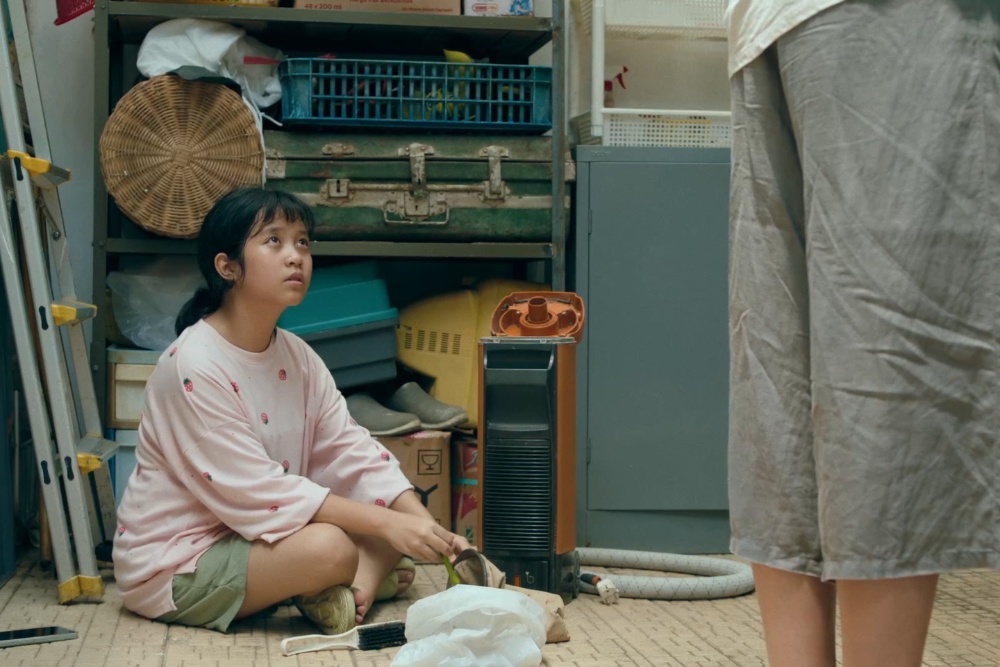
The quiet hum of a camera’s shutter breaks the silence in a modest Jakarta home, where Ariani Darmawan, once a celebrated Indonesian director, is now sketching the first scene of her comeback. After a decade away from the screen, she has brought back the heart‑beat of a Chinese‑Indonesian family to life in her debut feature, Jani Be Good, now lighting up the Tokyo International Film Festival’s Asian Future competition. The story follows four women spanning three generations, each wrestling with the weight of silence and the pull of motherhood.
Ariani’s own journey mirrors the film’s themes. She paused her cinematic career to raise her children, a hiatus that stretched over ten years. When she finally returned, the result was a raw, intimate portrait of the domestic spaces that shape identity. The film’s title, Jani Be Good, is a gentle reminder of the societal expectations that often trap women in invisible cages, a message Ariani delivers through the lives of her protagonists. It’s a story that feels both universal and intensely personal, a reminder that family is both the anchor and the storm.
Just as Ariani’s family navigates quiet domesticity, a very different family is in the public eye. Gia Giudice and Ariana Biermann, both familiar faces from a reality‑TV franchise, have found themselves at the center of a family drama that has spilled into the spotlight. While the film examines quiet domesticity, the Biermann‑Biermann family’s turmoil plays out in livestreams, social media posts, and behind‑the‑scenes chatter, reminding us that the private struggles of any family can become public spectacle when the world watches.
Background & Context
Ariani Darmawan’s return to filmmaking came after she stepped away from the director’s chair to focus on her own family. Born in Jakarta, she made a name for herself with short films that explored gender and cultural identity. After her first feature, she chose to prioritize motherhood, stepping away from the industry for more than a decade. When she came back, she did so with a fresh perspective, drawing heavily from her own experiences raising a family while juggling a career. Jani Be Good was filmed in both Jakarta and Bali, blending lush Indonesian landscapes with the muted, intimate settings of family homes. The film’s narrative centers on four women, from a single mother navigating a new city, to her daughter balancing career and family, to her mother‑grandmother who clings to traditions, and finally a granddaughter who questions the very fabric of those traditions.
In the United States, Gia Giudice and Ariana Biermann have been television personalities since childhood. Gia, the eldest, has taken on a caretaker role for her siblings, while Ariana, the younger sister, has carved out a niche as a social media influencer. Their families have been in the public eye for years, with reality TV shows chronicling their everyday lives. In recent months, however, the show’s producers have taken a different stance, opting to keep the families’ private matters out of the spotlight. They have chosen to focus on the show’s entertainment value rather than the personal turmoil of the siblings.
Gia’s younger sister, Milania, who has faced her own mental health challenges, recently sparked controversy when she vanished after a confrontation with her mother, prompting a police search. Milania later shared that she has bipolar disorder and has been receiving treatment. Her story, shared on TikTok, highlighted her vulnerability and her desire to remain in the open while grappling with personal demons. The siblings’ decision to remain silent about these family struggles has stirred conversations about privacy, mental health, and the public’s appetite for personal drama.
What People Are Saying
Critics of Jani Be Good have praised Ariani’s deft handling of generational conflict and cultural nuance. Reviewers noted the film’s lyrical cinematography and the subtle performances of the actresses, who bring authenticity to their roles. Viewers at the Tokyo International Film Festival have spoken of the film’s emotional resonance, noting how it captures the often-overlooked silence that shapes relationships. The film’s inclusion in the Asian Future competition underscores its relevance to contemporary discussions on family dynamics and gender roles in Southeast Asia.
Meanwhile, the public’s reaction to the Biermann family’s drama has been mixed. Fans of the reality show have expressed frustration with the producers’ decision to limit discussion of the family’s private issues, feeling that the show’s authenticity has been compromised. Others have shown support for the siblings, especially after Milania’s candid TikTok confession about her mental health, calling for empathy rather than judgment. Social media threads have been flooded with messages of solidarity, with fans praising Gia for her role as a peacemaker within the family.
Ariana’s brief public comments have also garnered attention. Her acceptance speech for a breakout star award at a virtual event hinted at the dual nature of reality TV fame—its rewards and its hardships. She thanked her audience for witnessing her life through the lens of television, acknowledging that the spotlight brings both opportunities and challenges. Some fans interpreted her remarks as an unspoken nod to the family’s ongoing struggles, while others saw them as a broader statement about the reality‑TV industry’s demands.
The producers of the show have emphasized their desire to keep the narrative clean and focused on entertainment, citing the family’s desire for privacy. They argue that the show’s success is rooted in its ability to navigate the delicate balance between personal storytelling and entertainment value. This stance has been met with both support and criticism, as some viewers feel the producers are protecting the families, while others feel the show has lost an element of authenticity.
What Happens Next
Jani Be Good is slated to remain on the festival circuit for the next month, with potential deals in Asia and the United States on the table. The film’s strong reception at Tokyo has attracted the attention of independent distributors who see its marketability among audiences craving stories that dig into cultural identity and family. If a distribution deal is secured, viewers worldwide could soon see Ariani’s nuanced exploration of motherhood and generational silence.
For Gia and Ariana, the coming months are packed with production commitments. They are actively filming the third season of their reality series, with the producers maintaining a policy of no public discussion about recent family events. This decision underscores a deliberate shift toward maintaining viewer engagement without exposing the family’s private moments to the broader public. The family’s wedding, scheduled soon after the new season’s premiere, also draws significant attention. The bride’s sister, Brielle, is set to wed a professional baseball player, but a key family member, Kroy, will not attend. This absence has sparked speculation about the deeper rifts within the family, though the official line remains that the wedding will proceed regardless.
As the storylines evolve—both on screen and in life—the themes of silence, motherhood, and the public’s hunger for private drama intersect in unexpected ways. Ariani’s film offers a quiet, introspective lens on family, while the Biermann family’s situation reflects the loud, relentless scrutiny of the media age. Together, they paint a portrait of how modern families navigate the tension between personal boundaries and public expectations.
In a world where the private and public often collide, Ariani Darmawan’s return to the director’s chair reminds us that the most compelling stories come from honest, human experience. The Biermann family’s drama, meanwhile, continues to provoke debate about how far public exposure should go before it intrudes on the sanctity of family life. Both narratives, though distinct, invite us to reflect on the fragile balance between storytelling and privacy.
The Bottom Line
We at MyWorldPulse.com celebrate Ariani Darmawan’s return as a triumph of artistic integrity over commercial pressure. Her willingness to confront the quiet struggles that shape a family offers a rare counterpoint to the sensationalized reality‑TV drama that keeps Gia Giudice and Ariana Biermann in the public eye. While the entertainment industry often favors headline‑grabbing conflict, the power of cinema lies in its capacity to illuminate the subtleties of everyday life. By honoring Jani Be Good’s quiet storytelling, we reaffirm that audiences crave depth, nuance, and empathy—qualities that elevate the cultural conversation and enrich the global film landscape. Let’s champion creators who dare to listen to the silences between scenes and give us a future where family narratives are explored with dignity, not exploitation. —MyWorldPulse.com
Reference:
- Ariani Darmawan's Official Instagram Post Announcing Jani Be Good at Tokyo International Film Festival
- Gia Giudice's Official Instagram Post Addressing Family Drama and Privacy
Read more celebrity news at MyWorldPulse.