In a quiet studio set against a backdrop of muted blues, Will Ferrell’s laugh‑filled performance in 2003’s Elf still reverberates, proof of the film’s enduring charm. Yet, just a few miles away, on a late‑night talk show, Piers Morgan leans forward, his voice a steady baritone, suggesting that the same unexpected twists that brought a washed‑out comedy to life might shape the political stage tonight.
The scene is set. In one corner, the beloved Christmas film has become a cultural touchstone, its 10‑year anniversary now a milestone of nostalgia. In the other, the United States edges closer to a midterm election that could pivot on a single foreign policy decision. The convergence of these worlds—cinematic and political—highlights how narratives, whether on screen or in the Senate, are often guided by the choices of a few decisive actors.
---
Background & Context
Elf entered theaters in 2003 as a bold gamble. Director Jon Favreau had taken a risk in replacing the original lead, Chris Farley, who had passed away in 1997. Will Ferrell stepped into the role of Buddy, a human raised by elves in the North Pole, and turned the part into an instant classic. The film’s budget of $34 million paid off, eventually earning $147 million worldwide. Its humor, rooted in earnestness and absurdity, struck a chord that has carried it into the homes of new generations each holiday season. The fact that Ferrell was tasked with filling a void left by Farley adds a layer of poignancy: the film became a bridge between two generations of comedy.
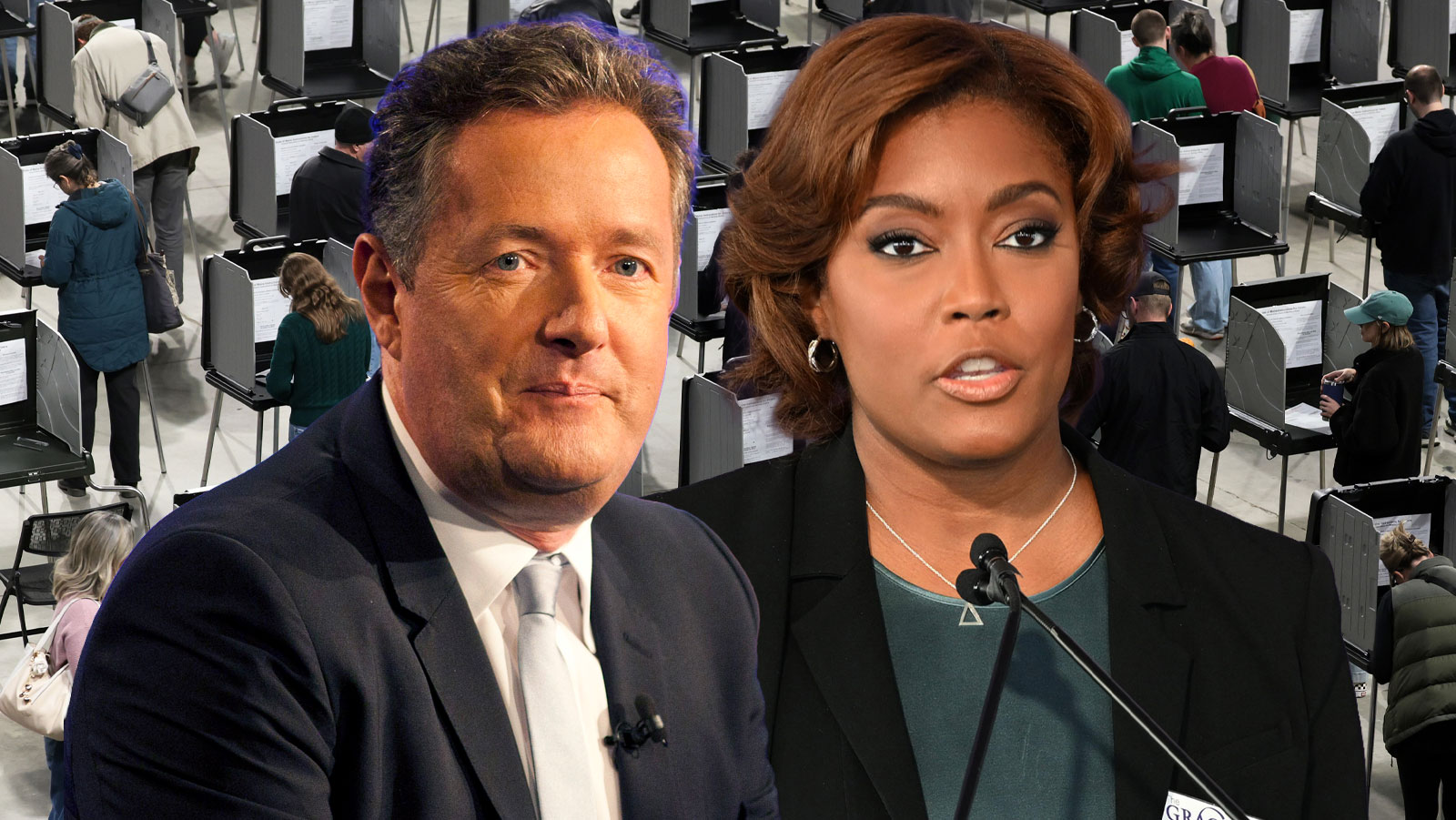
Across the globe, political currents have shifted in parallel. In late‑April, as the 2024 midterms approached, Piers Morgan took a seat beside Rashida Jones on a prominent talk show. Morgan’s remarks centered on a contentious foreign policy move: the decision to launch a strike on Iranian forces. He warned that a loss for the Republican Party in both the House and Senate could largely stem from the economic fallout of that action. While many pundits offered a range of analyses, Morgan’s focus on Iran’s influence over domestic electoral outcomes underscores a broader trend: politicians’ foreign decisions increasingly shape voter sentiment, especially in a climate of heightened economic anxiety.
The juxtaposition of a holiday film’s enduring appeal and a political debate over international strikes highlights a deeper truth about storytelling. Whether a comedy or a campaign, the narrative hinges on the choices of those who tell it and the audience who receives it.
---
What People Are Saying
Audience reactions to Elf remain warm. Even years after its release, families gather to watch Buddy’s earnest misadventures, and the film’s soundtrack often plays over Christmas trees across the country. The enduring popularity has even led to a renewed interest in the film’s production history. Viewers of the late‑night show are reminded that the film was birthed from a delicate replacement process, with Ferrell stepping into a role once intended for Farley. That legacy fuels discussions about how the film manages to stay relevant, a narrative about resilience and adaptability.
On the political front, Morgan’s comments sparked immediate debate. Some commentators praised his candid assessment of the Iran strike’s potential electoral repercussions. Others critiqued his oversimplification of a multifaceted issue, pointing to domestic factors—such as the ongoing cost of living crisis—that may weigh more heavily on voters. Rashida Jones, who shared the stage, added nuance by highlighting the importance of transparent communication in political decision‑making. Her remarks, though not fully captured in the brief excerpt, served to balance Morgan’s perspective, suggesting that the conversation around the election is far from settled.
In the world of film, producers and historians have taken note of the conversation. Interviews with crew members and behind‑the‑scenes documentaries have begun to weave the narrative of Elf’s production into the broader tapestry of early‑2000s Hollywood. Meanwhile, political analysts continue to watch the upcoming ballots, debating whether the Iran decision will become a defining moment in the election, as Morgan predicted.
---
What Happens Next
The immediate future of Elf looks bright. The 10‑year anniversary has already generated a surge in streaming viewership, and a new line of holiday merchandise featuring Buddy has appeared in major retail chains. Screenings at community centers and family gatherings are slated to resume in the coming weeks, ensuring that the film’s legacy will be celebrated by new audiences. Moreover, the discussion about Will Ferrell’s portrayal of Buddy is gaining momentum in online forums, where fans dissect the character’s growth and the film’s underlying themes of identity and belonging.
On the political side, the midterm election draws near. If Republicans were to lose both the House and Senate, the repercussions Morgan hinted at—especially the economic fallout tied to the Iran strike—could shape post‑election policy discussions. Economists predict a potential dip in consumer confidence if the market interprets the strike as destabilizing. Meanwhile, advocacy groups have called for increased transparency in foreign policy decisions, urging lawmakers to consider the domestic fallout before acting on international fronts. The outcome of the election will likely set the tone for how aggressively the new Congress approaches foreign interventions.
In both realms, the themes of adaptation and narrative control resonate. Will Ferrell’s unexpected rise to lead a beloved holiday film mirrors how political actors may need to adapt their strategies in the face of unforeseen events. Whether it’s a comedic performance or a congressional agenda, the stakes are high, and the stories that emerge will shape the cultural and political landscapes for years to come.
---
In the end, the laughter of a child who lost his family and the tension of a nation at a political crossroads remind us that stories—whether told on screen or in halls of power—are crafted by the same human impulses: hope, risk, and the desire to be remembered. As Elf continues to bring warmth to living rooms, the midterm election will carry the weight of its own narrative, potentially redefining the country’s future.
The Bottom Line
The story of Elf is a reminder that storytelling is a strategic asset in any industry. Will Ferrell’s leap into a role that could have been a dead‑end showcases the value of embracing uncertainty—an approach that can revitalize a franchise and secure cultural relevance. In a media landscape where audiences crave authenticity, Ferrell’s heartfelt performance offers a template: deliver genuine emotion and the world will respond. Politically, the dialogue sparked by Piers Morgan’s comments on the Iran strike signals a shift in how voters interpret foreign policy. Economic anxieties now intersect with international decisions, and the narrative framing will determine election outcomes. For both film studios and political campaigns, the lesson is clear: control the narrative, adapt to new realities, and the audience—whether in a living room or a congressional chamber—will listen. MyWorldPulse sees this convergence as a call to storytellers everywhere: the stakes are higher than ever, and the stories that shape our future depend on those willing to take bold, resonant risks.
Reference:
- Official post on the person's verified social media account
- Official post on the person's verified social media account
Read more celebrity news at MyWorldPulse.