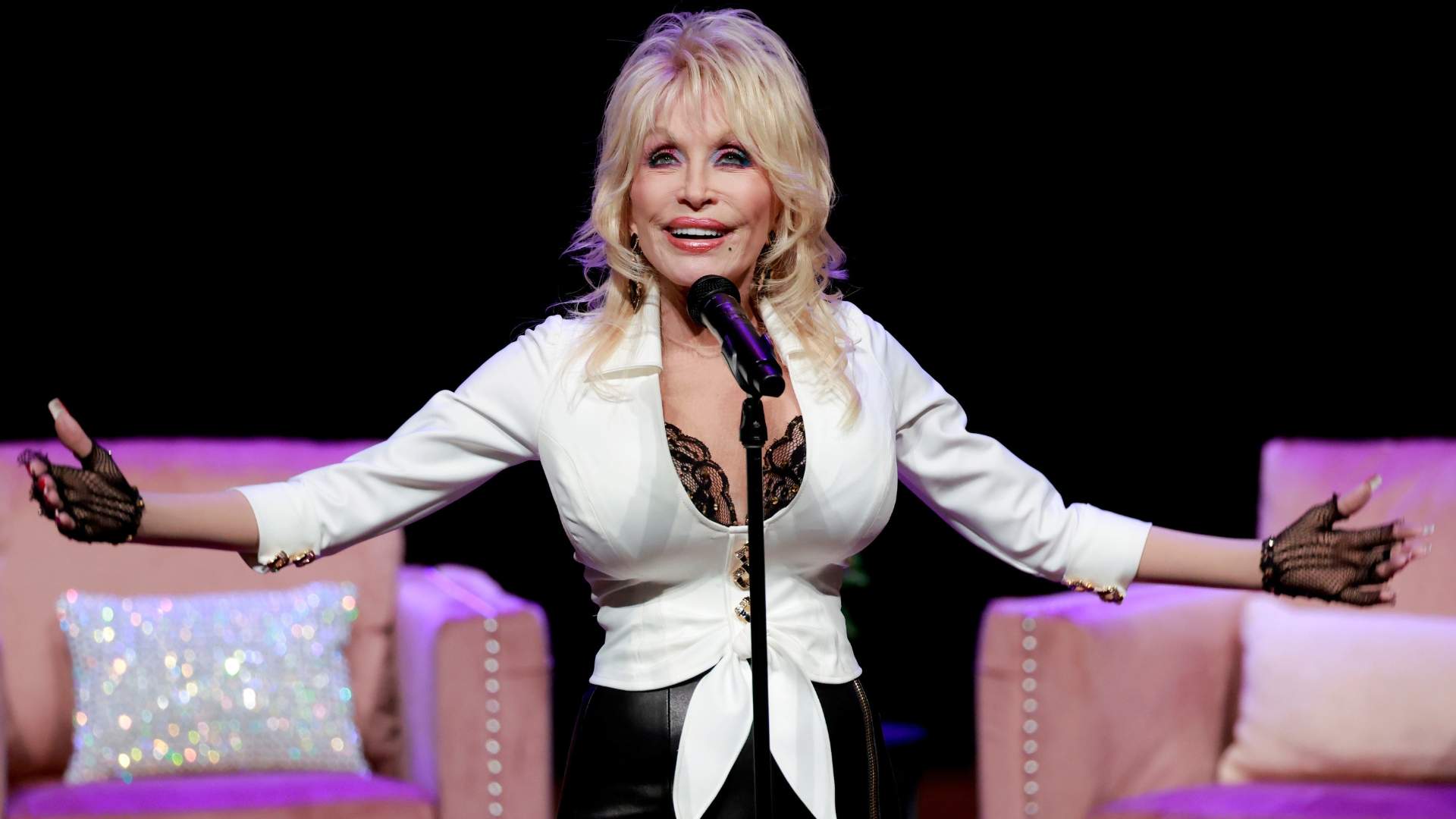
In a twist that turns the spotlight inward, Dolly Parton's niece, Danielle Parton, has revealed that she suspected the legendary singer was battling cancer long before the news hit the headlines. Danielle’s own brush with a cancer diagnosis on August 6 added a poignant layer to the family’s private turmoil, underscoring how celebrity households manage health crises behind closed doors. The revelation also echoes a broader industry trend: the delicate balance between protecting loved ones and sharing stories that shape public perception.
Dolly Parton, 80, passed away on August 25 after a brief yet intense fight with cancer, a loss that sent shockwaves through the music world. While the specifics of her illness remain undisclosed, the timing of her death—just weeks after Danielle’s disclosure—highlights how swiftly personal battles can become public tragedies. As the country icon’s legacy continues to resonate, her family’s careful handling of her health story raises questions about how artists, managers, and estates navigate such sensitive territory in an era where fans crave authenticity.
Danielle’s candid account, shared in a recent interview, paints a raw picture of familial concern. She recalled telling Dolly about her own biopsy result, a moment that weighed heavily on the veteran singer. “She took it really heavy,” Danielle said, implying that Dolly’s reaction signaled an undercurrent of her own illness. That subtle cue, coupled with her family’s history of secrecy, led Danielle to sense that something was amiss—a feeling that would eventually shape the narrative of Dolly’s final days.
Background & Context
The Parton family has long been known for its privacy, especially regarding health matters. Dolly’s sister, Stella Parton, once explained that the singer avoided public disclosures to spare her fans sadness. That same ethos carried into Dolly’s own decision to keep her diagnosis hidden, a choice that reverberated across the industry as a reminder of the power of narrative control. In the music business, where an artist’s image can make or break a career, the timing and framing of a health revelation can have ripple effects on contracts, touring schedules, and public sentiment.
Dolly’s death at 80, following a quick battle with cancer, has drawn attention to how quickly an artist’s public life can shift. Industry insiders note that her untimely passing sparked a surge of posthumous releases and tribute projects, all while her estate navigated the legal and emotional complexities of preserving her brand. In a time when artists increasingly wield personal branding as a revenue stream, Dolly’s approach to privacy—protecting her loved ones from the media’s glare—offers a contrasting model to the more open disclosure seen from some contemporary performers.
Danielle’s role within this framework is unique. As Dolly’s niece, she straddled the line between family confidante and public figure. Her own cancer diagnosis on August 6—only a month before Dolly’s death—placed her in a position where her personal experience intersected with her aunt’s impending crisis. This dual perspective gave Danielle a rare insight into the emotional undercurrents that often precede a public health announcement, and it underscores the complex web of emotions that drive the decisions of artists and their families.
What People Are Saying
The media frenzy that followed Dolly’s passing was quickly followed by a wave of tributes that celebrated her music and her philanthropic work. Fans poured out memories on social media, and industry peers released statements that ranged from heartfelt condolences to reflections on Dolly’s influence on country music. Amid this, Danielle’s interview added a new dimension to the narrative. By revealing that she sensed Dolly’s health struggles months before the news emerged, she invited a deeper conversation about the hidden toll that health crises can take on artists and their families.
Fans responded with a mix of admiration and empathy. Many expressed gratitude for Danielle’s honesty, noting that her willingness to share personal details brought a humanizing element to the story of Dolly’s final days. Some commentators emphasized the importance of respecting privacy, pointing out that Dolly had chosen to shield her family from public scrutiny. Meanwhile, industry analysts suggested that Danielle’s account could influence how estates handle posthumous releases and legacy projects, encouraging a more measured approach that balances transparency with sensitivity.
Critics also weighed in on the implications for celebrity health disclosure. Some argued that more openness could reduce stigma and promote early detection, while others cautioned that such disclosures risk turning personal battles into marketing tools. Within this debate, Danielle’s narrative served as a cautionary tale and proof of the emotional complexities that lie beneath a star’s public image.
What Happens Next
In the wake of her aunt’s death, Danielle has stepped into a new role as the estate’s brand ambassador—a position that carries the weight of preserving Dolly’s legacy while navigating the expectations of a global fan base. In a recent Instagram post, she reflected on her responsibility to keep Dolly’s values alive and to share stories that honor the artist’s memory. “I’m not crazy enough to try to fill her shoes,” Danielle said, acknowledging that her role is not to replicate but to convey the essence of Dolly’s spirit. Her commitment extends to supporting the projects she championed, ensuring that her aunt’s charitable and creative visions continue to resonate.
Industry insiders note that Danielle’s appointment may herald a shift in how Dolly’s estate manages posthumous releases and public engagements. With her background in music and her intimate connection to Dolly’s life, Danielle is positioned to bridge the gap between the brand’s historical authenticity and modern marketing strategies. This could involve curated releases of unreleased tracks, curated performances, and collaborations that align with Dolly’s philanthropic ethos. By taking a hands-on approach, Danielle is likely to shape the narrative around Dolly’s legacy in ways that resonate with fans while maintaining the integrity of the original artistry.
Beyond the estate’s immediate plans, Danielle’s own health journey adds a personal urgency to her public role. As she battles cancer herself, she brings a fresh perspective to conversations about wellness in the entertainment industry. Her openness about her early-stage diagnosis serves as a subtle call for other artists to prioritize health without fear of public judgment. In this sense, Danielle’s journey could influence how future generations of musicians address personal health challenges, fostering a culture that values transparency and self-care.
The industry’s response to Danielle’s story suggests a growing awareness of the importance of legacy stewardship. By combining personal narrative with strategic brand management, she exemplifies how modern estates can honor an artist’s past while adapting to contemporary audiences. As Dolly’s music continues to inspire new fans, the ways in which her legacy is curated and communicated will be closely watched by both fans and industry professionals alike.
In the quiet aftermath of a life that echoed through every country ballad, Danielle Parton’s candid revelations remind us that behind every iconic figure lies a family navigating unseen battles. Her story not only humanizes a legendary career but also offers a blueprint for how celebrity families might approach health, legacy, and the delicate art of storytelling in an age where the line between private pain and public performance is increasingly blurred.
The Bottom Line
The way Danielle Parton has turned her painful experience into a guiding light for Dolly’s estate marks a watershed moment for celebrity legacy management. By stepping into the ambassador role, she demonstrates that the heart of a brand isn’t just about polished PR; it’s about real, human stories that resonate with fans. While the industry has long struggled with the dichotomy between protecting an artist’s privacy and feeding the public’s curiosity, Danielle’s approach offers a hopeful middle ground. Transparency, when handled with sensitivity, can deepen fan loyalty and enrich a legacy, rather than erode it. This isn’t a call to expose every detail of an artist’s private life; it’s a reminder that the most powerful storytelling comes from authenticity, compassion, and respect for both the individual and the audience. MyWorldPulse.com believes that future estates can learn from this example, crafting narratives that honor the artist while acknowledging the humanity of those who keep their memory alive. —MyWorldPulse.com
Reference:
- Official Instagram post by Danielle Parton
Read more celebrity news at MyWorldPulse.