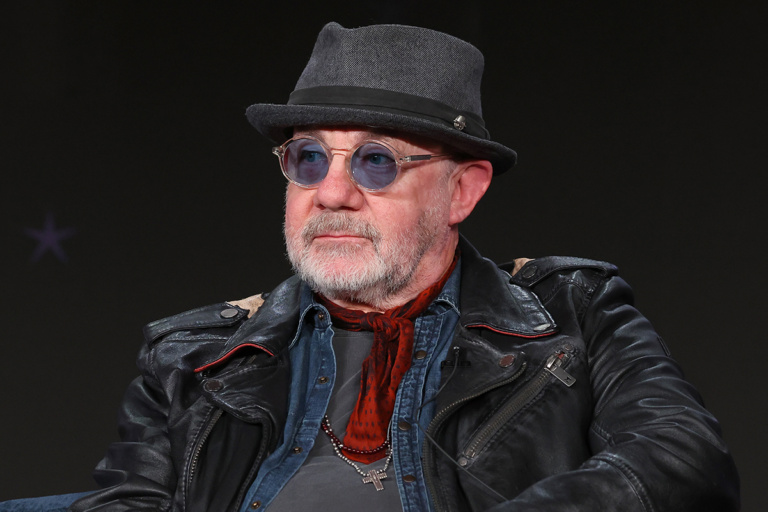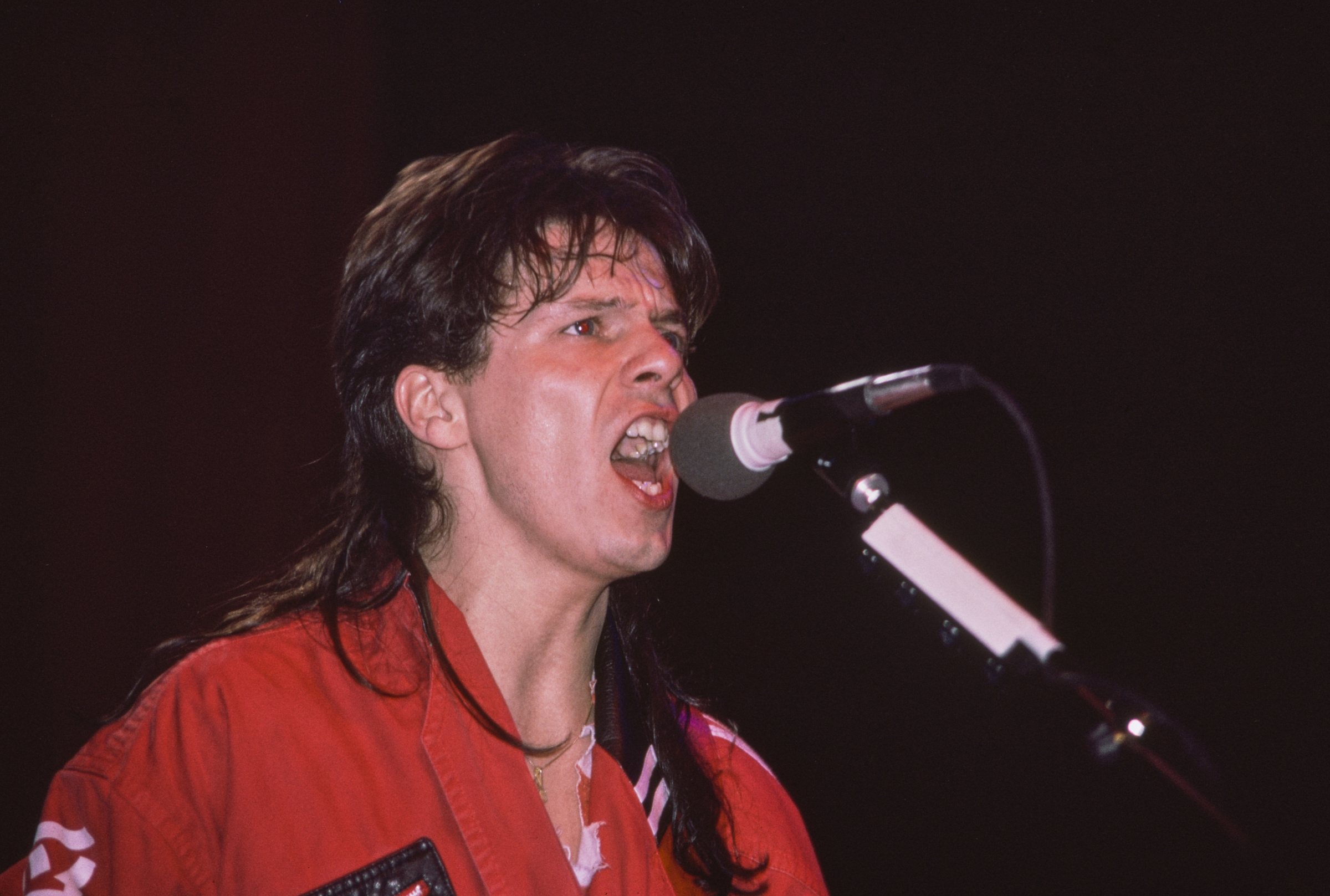
The final chord in the career of one of the new‑wave era’s most quietly powerful guitarists rang out on November 23, when Andy Taylor, age 65, succumbed to stage‑four metastatic prostate cancer. His passing reverberates beyond the glittering neon halls of the 1980s, reminding the industry that even the most enduring riffs are not immune to the quiet, relentless march of time. Taylor’s death has set a ripple across the pop‑rock landscape, urging both fans and fellow musicians to pause and reflect on the fragile nature of legacy and the unheralded craft of session musicians who shape entire genres from the shadows.
Taylor’s story began in Cullercoats, Northumberland, where a boy with a battered guitar and a fierce sense of melody grew into a key figure in the band that would redefine global pop. Joining Duran Duran in 1980, he helped launch a sound that blended shimmering synths with crunchy, melodic hooks. His riffs threaded through “Hungry Like the Wolf,” “The Reflex,” and the iconic “Rio,” anchoring the band’s ascent to international superstardom. He was not just a guitarist; he was a cornerstone of the group’s sonic architecture, injecting a swagger that balanced the band’s polished image with an undeniable edge. Beyond Duran Duran, he co‑founded The Power Station, a supergroup that turned his hard‑rock sensibilities into chart‑topping hits, and pursued a solo career that showcased a rawer, more aggressive sound in albums like “Thunder.” His return to the band in 2001, 2006, and again in 2023 for the “Danse Macabre” sessions proved that his influence remained as potent as ever, bridging the gap between the past and the present.
The loss of a guitarist of Taylor’s stature hits the music world in several ways. For the industry, it underscores the importance of nurturing and acknowledging the musicians who, while not always in the spotlight, are the lifeblood of the soundscape. Taylor’s story reminds producers, songwriters, and record labels that the creative backbone of a band often lies in the nuanced interplay of riffs and rhythms, a fact that should shape everything from album credits to royalty allocations. For fans, the news has stirred a wave of reverence, a reminder that the music that defined an entire generation continues to echo in new arrangements and tribute performances. In a world where pop culture is increasingly consumed in bite‑size snippets, Taylor’s career—spanning nearly four decades—serves as proof of the enduring power of the guitar as an instrument of both rebellion and resilience.
Background & Context
When Andy Taylor joined Duran Duran in 1980, the band was still a fledgling outfit from Birmingham, still polishing their image before stepping onto the global stage. Their self‑titled debut, released in 1981, introduced the world to a blend of synths and guitar hooks that would become a hallmark of early ’80s pop. Yet it was the 1982 release of “Rio” that truly catapulted the group to worldwide acclaim, and Taylor’s riffs, subtle yet insistent, anchored tracks like “Hungry Like the Wolf” and “Save a Prayer.” The follow‑up albums, “Seven and the Ragged Tiger” (1983) and “The Wedding of the Tiger” (1986), cemented their status, with singles such as “The Reflex” topping the US charts.
Taylor’s departure in 1986 to pursue a solo career marked a pivotal shift. His debut solo album, “Thunder,” released in 1987, embraced a harder rock aesthetic, demonstrating his versatility beyond the glossy veneer of Duran Duran. This period also saw him exploring songwriting and production, contributing to Rod Stewart’s “Lost in You” and collaborating with other artists, thereby expanding his footprint in the music scene. Despite the success of his solo endeavors, the pull of his original band remained strong, leading to his return in 2001 for the “Live 2001” tour, a nostalgic rekindling of the original lineup’s chemistry.
In the ensuing years, Taylor's intermittent returns to Duran Duran—most notably in 2006 for “Red Carpet Massacre” and 2023 for the recording of “Danse Macabre”—illustrated his enduring commitment to the group. The 2023 album, a dark, atmospheric exploration, showcased Taylor’s guitar work in a fresh context, proving his adaptability to evolving musical landscapes. His career trajectory, punctuated by solo work, supergroup ventures, and steadfast loyalty to his founding band, offers a blueprint for musicians balancing personal artistry with collective identity.
The final chapter of his life, however, was not one of music but of survival. Diagnosed with metastatic prostate cancer, a disease that often remains silent until it has advanced, Taylor confronted a grim prognosis with characteristic stoicism. Reports noted that he had been battling the disease for an extended period, ultimately succumbing on November 23. His death at 65, a time when many musicians are still carving out new creative avenues, has cast a stark light on the unpredictable nature of health and mortality in the music industry.
What People Are Saying
The immediate reaction from the fan community was a tidal wave of heartfelt tributes that spilled across social media platforms. Long‑time followers recalled how “Rio” had become a soundtrack to their youth, describing it as a “first record bought with my own money” and a personal touchstone. Others highlighted Taylor’s understated brilliance, calling him an “underrated guitarist” and acknowledging how his “dry wit” and no‑nonsense approach had anchored the band’s dynamic.
Notable voices from within the music industry also weighed in. Former bandmates expressed admiration for his “indelible fire and swagger,” praising how he brought a tangible energy to each performance. Critics and commentators noted that his contributions were essential to Duran Duran’s sonic identity, a blend of polished pop and rock grit that set the band apart. The band’s official statement, released on its website, reflected this sentiment, praising his role in shaping the group’s sound and acknowledging the “extraordinary years” he helped build.
The industry’s response extended beyond personal grief. Music publishers and record labels revisited their agreements and contracts, recognizing the importance of honoring the legacy of artists who have shaped genres. The conversation shifted toward a more comprehensive appreciation of session musicians, songwriters, and guitarists who, often behind the curtain, provide the essential textures that define a band’s signature sound. Taylor’s death has amplified this dialogue, urging a reexamination of how royalties, credits, and recognition are allocated within the music business.
In the weeks that followed, a number of tribute performances emerged, featuring a blend of classic Duran Duran hits and previously unheard tracks from Taylor’s solo catalog. These performances served as both homage and reminder of the breadth of his influence. Fans were drawn into a collective mourning that echoed the emotional resonance of his music, showcasing how deeply he had woven himself into the fabric of pop culture.
What Happens Next
While the industry mourns, it also begins to shape how Andy Taylor’s legacy will continue to reverberate. Duran Duran’s remaining members have announced plans to release a remastered edition of their classic albums, with a special focus on Taylor’s guitar work. This initiative is expected to feature new liner notes detailing his creative process, offering insights into his approach to riff construction and arrangement. The band also plans to collaborate with contemporary artists to reinterpret his signature songs, ensuring that his musical voice remains present in modern recordings.
From a broader perspective, the conversation around musician health and wellness is likely to gain momentum. Taylor’s battle with metastatic prostate cancer—an illness that often goes unnoticed until late—has highlighted the need for early detection and support systems tailored to artists who spend much of their time traveling and performing. Several advocacy groups have already announced initiatives to increase awareness and provide resources for musicians dealing with serious illnesses, a movement that may gain traction as a result of Taylor’s case.
The Power Station, the supergroup Taylor helped found, has expressed intentions to honor his memory by releasing a retrospective compilation of their collaborative work. This release, scheduled for early next year, aims to bring together fans of both Duran Duran and the more hard‑rock side of Taylor’s career. By bridging these two worlds, the group hopes to celebrate the guitarist’s dual legacy as both a pop icon and a hard‑rock virtuoso.
Finally, Taylor’s story is poised to inspire the next generation of musicians. Music schools and guitar workshops are already revisiting his catalog, using his riffs as teaching material for aspiring guitarists. The focus is not only on technical proficiency but also on the artistry of blending melody with rhythmic intensity—a hallmark of Taylor’s style. These educational initiatives underscore how a single musician’s work can ripple through time, influencing both the commercial and creative sectors of the music industry.
In the quiet aftermath of his passing, the music community reflects on a life that wove through the fabric of an era, leaving an indelible mark on pop rock and beyond. Andy Taylor’s guitar, once a quiet voice amid flashy visuals, now stands as proof of the enduring power of craft, resilience, and an unwavering passion for music.
The Bottom Line
At MyWorldPulse.com, we view Andy Taylor’s passing as a pivotal moment that forces the music world to confront two overdue conversations: the invisibility of session musicians and the fragility of artist health. His understated yet powerful riffs were the glue that held Duran Duran’s shimmering pop and gritty rock together, and his legacy now compels labels, publishers, and streaming giants to rethink how they credit and compensate the musicians who are often left off the marquee. Moreover, Taylor’s long‑term battle with metastatic prostate cancer exposes the hidden toll that touring life can exact, urging the industry to establish proactive health programs and better insurance options for its talent. For fans, his music remains a living testament to the blend of melody and rhythm that defined an era; for future musicians, his work is a masterclass in restraint and impact. MyWorldPulse.com urges record companies, management firms, and even streaming services to seize this moment to make tangible policy changes—ensuring that the craft of every guitarist, whether front‑of‑house or behind the scenes, is honored, protected, and celebrated. It’s time the industry’s focus shifted from headline theatrics to the real, enduring artistry that fuels our favorite songs.
Reference:
- Official post on the band's verified social media account
Read more celebrity news at MyWorldPulse.