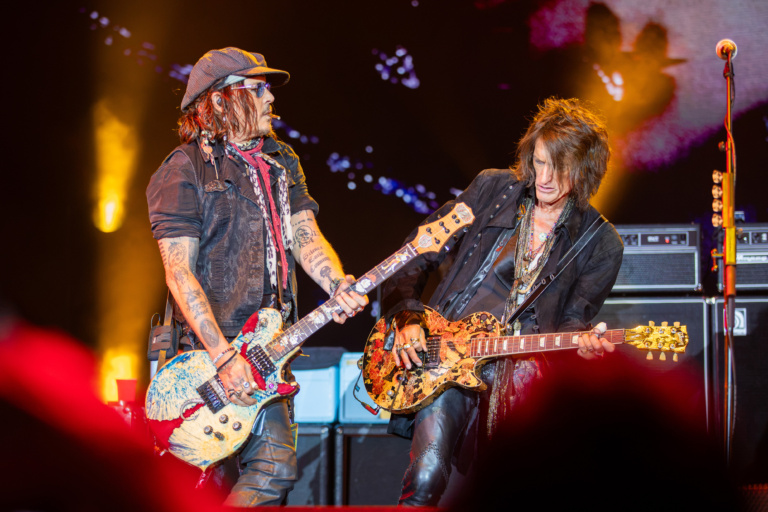
Macklemore’s sold‑out Dublin debut sparked cheers from fans eager to rally for Palestine, marking a moment when music, politics and protest collide on the same stage. The hip‑hop veteran announced the new “Free Palestine” tour just days after a controversial incident with Ed Sheeran, when the singer removed him from his own shows for on‑stage commentary. With Hozier, Kneecap, and the backing band from Sheeran’s tour now on hand, the headline act has turned a moment of exclusion into a platform for a cause that has drawn worldwide attention.
The first concert, held in the historic Vicar Street in Dublin, attracted a crowd that outpaced the venue’s capacity, forcing organizers to add a second night to accommodate demand. The setlist combined well‑known hits like “Thrift Shop” and “Same Love” with newer tracks that underscore Macklemore’s commitment to social justice, including the politically charged “Free Palestine.” The lineup itself is noteworthy: Hozier, who has previously spoken about refugee crises; Kneecap, known for her socially conscious rap; and the musicians who had backed Sheeran before the fallout, all contributing to a collective sound that marries activism with mainstream appeal.
Background & Context
Macklemore, whose real name is Ben Haggerty, first emerged in the early 2000s as a rapper who fused clever lyricism with melodic hooks. Over the years he has used his platform to champion a range of causes, from LGBTQ+ rights to mental health awareness. In 2023, his outspoken support for Palestine on the world stage became a focal point of controversy. During a Sheeran‑curated tour, he performed a short spoken‑word segment that praised the Palestinian cause, prompting Sheeran’s management to cancel his appearance mid‑tour. The decision was widely interpreted as a suppression of dissenting voices in an industry that is increasingly scrutinized for its political neutrality.
The aftermath of that incident galvanized supporters of free expression, prompting Macklemore to launch a dedicated tour under the banner “Free Palestine.” The concept was simple yet potent: a series of concerts that use the power of music to raise awareness, educate audiences, and provide a platform for solidarity. Hozier’s inclusion is particularly significant; his own history of collaborating with activists and his vocal advocacy for climate justice and refugee issues lend the tour a broader social justice appeal. Kneecap’s presence further underscores the intersection of contemporary hip‑hop and grassroots movements. Even the backing band that once played alongside Sheeran is now a symbol of artistic resilience, having moved from a mainstream pop tour to an activist‑driven show.
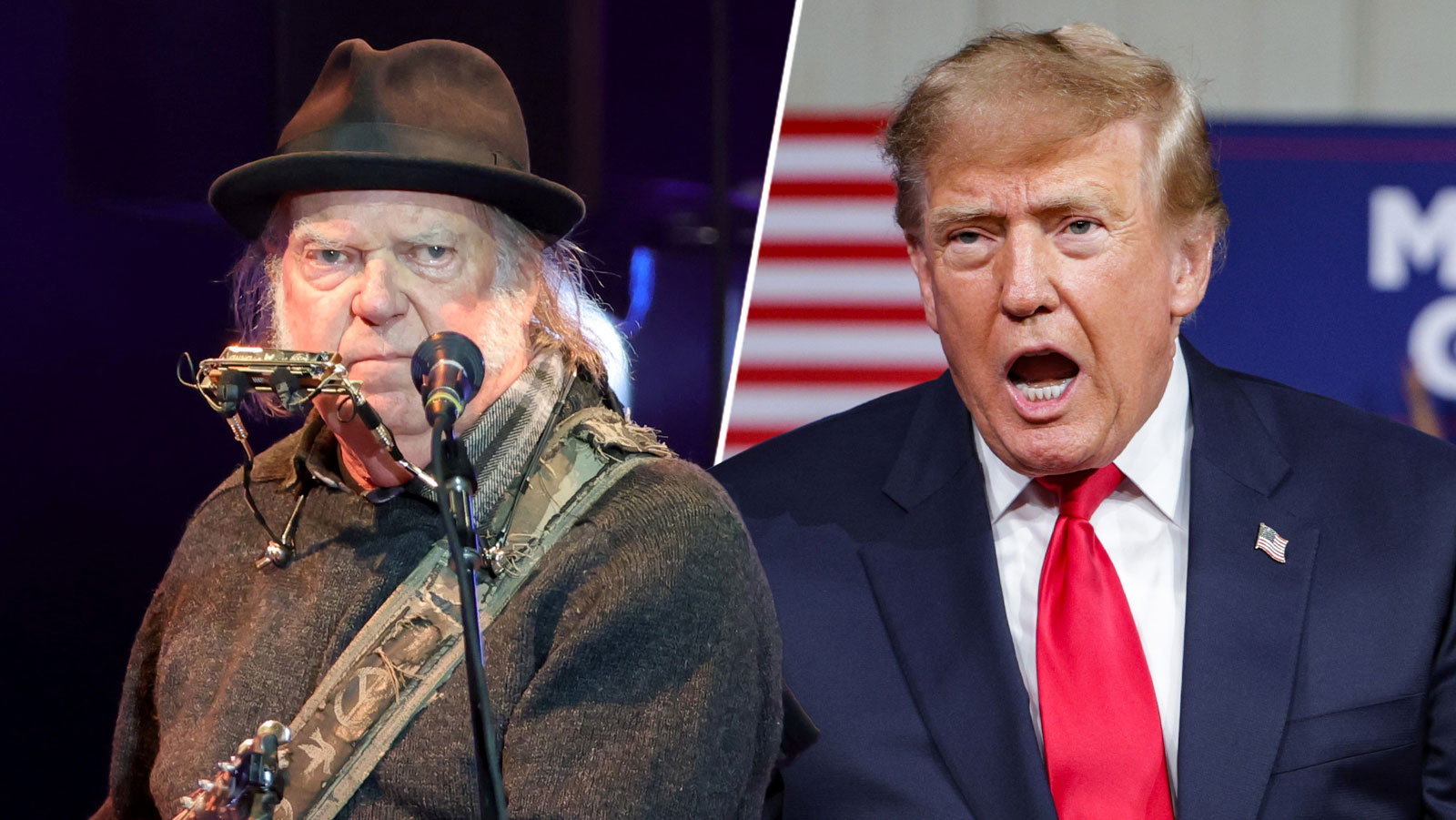
In a broader cultural landscape, the tour intersects with another high‑profile case of artists confronting political power: the long‑running lawsuit between Neil Young and former President Donald Trump. Young, a veteran of the 1960s folk revival and a modern icon of protest music, sued Trump for $10 million after the former president used a rendition of Young’s “Rockin’ in the Free World” at a public event without permission. Young’s suit alleges that Trump’s use of the song was both unauthorized and disrespectful to its message of freedom and dissent. The case has become a touchstone for discussions around artistic copyright, political speech, and the ways in which music can be weaponized or co‑opted in the public sphere.
Both the Macklemore tour and Young’s lawsuit highlight a growing trend: musicians using their public platforms to challenge political narratives and defend the integrity of their art. While Macklemore’s approach is grassroots and public-facing, Young’s is legal and institutional. Together, they paint a picture of an industry that refuses to stay silent, even when it risks backlash or litigation.
What People Are Saying
The immediate reaction to Macklemore’s Dublin show was overwhelmingly positive among fans who view the event as a celebration of unity and activism. Social‑media feeds were flooded with photos of cheering crowds, signs bearing slogans like “Free Palestine” and “Music Is Solidarity.” Comments ranged from praise for Macklemore’s courage to expressions of hope that the tour might spark further political engagement. Some critics, however, argued that using a concert as a platform for political messaging risks alienating portions of the audience or oversimplifying complex geopolitical issues. Yet even those who criticized the approach noted that the concert’s energy was undeniable and that it successfully drew attention to a cause often sidelined in mainstream conversations.
In the days following the Dublin show, Hozier’s own followers chimed in, with many highlighting his history of collaborating with organizations that support displaced people. Kneecap’s fans expressed admiration for her ability to blend lyrical authenticity with activism, while some of the former Sheeran backing musicians spoke about the camaraderie that developed after being sidelined. Behind the scenes, industry insiders reported that the tour’s success has already attracted attention from other artists looking to incorporate activism into their own work. This has sparked a broader debate about the role of artists in political discourse, a debate that has only intensified in recent years as streaming platforms and global reach have amplified every voice.
Meanwhile, the Neil Young‑Trump lawsuit has prompted a wave of commentary from legal experts, musicians, and public policy analysts. While some defend the former president’s right to use the song as a form of patriotic expression, others echo Young’s sentiment that the melody was co‑opted in a way that undermines its original intent. Young’s legal team, led by a prominent civil liberties attorney, has cited precedent that protects the integrity of artistic works even in political contexts. The case has spurred petitions demanding stricter enforcement of artist rights and has fueled discussions about how political figures can responsibly use cultural artifacts.
Across both stories, a common thread emerges: a sense of responsibility among artists to defend their creative output and to use it as a vehicle for social change. The reaction to the Macklemore tour shows a public willing to rally behind music that challenges the status quo, while the Young lawsuit underscores a growing awareness that artistic integrity can be a point of legal contention in the era of celebrity politics.
What Happens Next
For Macklemore, the next chapter in the “Free Palestine” tour involves a series of dates across Europe, with plans to expand into North America later this year. Organizers are reportedly negotiating partnerships with local NGOs and community groups in each city to maximize the tour’s impact. There is talk of a multimedia campaign that will include interviews, behind‑the‑scenes footage, and educational materials aimed at deepening audience understanding of the Israeli‑Palestinian conflict. Moreover, the tour’s merchandise line, featuring limited‑edition shirts and posters, will direct a portion of its proceeds to humanitarian aid organizations.
In the case of Neil Young, the lawsuit against Trump has entered the discovery phase. Both parties have submitted extensive documentation, and the case is expected to settle before reaching a final verdict. Should a settlement not be reached, the legal battle may proceed to a trial, potentially setting a precedent for future disputes over musical works used in political settings. Young’s team has already announced plans to launch a campaign that highlights the importance of protecting artistic rights, and there is speculation that the case could inspire similar actions by other artists facing unauthorized use of their material.
As both stories unfold, the music industry appears poised to play an increasingly prominent role in the political arena. Whether through sold‑out tours that double as advocacy campaigns or high‑profile lawsuits that reaffirm intellectual property rights, artists are demonstrating that they are more than entertainers; they are actors in the broader societal conversation. Fans, too, are engaging more deeply, seeking not just the beats but the messages that accompany them.
The intersection of music and politics is not new, but the recent developments surrounding Macklemore’s tour and Neil Young’s legal battle underscore a renewed vigor in the dialogue. These events serve as reminders that the stage can be a place for protest, the spotlight can bring forgotten voices into the conversation, and the legal system can protect the creative freedoms that underpin that expression. As audiences worldwide tune in, they witness the ongoing power of music to shape, challenge, and reflect the world it inhabits.
The Bottom Line
At MyWorldPulse.com we see this melding of melody and message not as a gimmick, but as a powerful conduit for change. Macklemore’s decision to harness a sold‑out Dublin show for a pro‑Palestine rally is a bold statement that music’s influence extends far beyond the stage. It reaffirms that artists have a responsibility—and the capacity—to use their visibility for the public good. The partnership with NGOs and the creation of charity merch demonstrate that activism can be integrated into the business model, turning fandom into advocacy. Likewise, Neil Young’s legal battle over the unauthorized use of his song by a political figure highlights the necessity of protecting creative expression. Together, these moments underscore a pivotal shift: the music industry is becoming an arena where art, commerce, and politics intersect. For fans, it means being part of a larger movement; for artists, it means embracing the full weight of their influence. The future of music will be measured not just by chart positions, but by the cultural impact it leaves behind.
Reference:
- Macklemore's Facebook post announcing the Dublin concert and its free Palestine message
- Neil Young’s Instagram post detailing the lawsuit against Donald Trump over “Rockin’ in the Free World”
Read more celebrity news at MyWorldPulse.