Beneath the glittering lights of a late‑night studio, a young Bebe Rexha and her mother sat on a folding chair in the back of a cramped auditorium, fingers trembling as they waited for the moment that would decide their fate. They had spent nearly a dozen hours in line, their breaths a steady rhythm that matched the thud of the revolving doors. The air tasted like ambition and caffeine, and the silence was punctuated only by the hum of distant television sets. In that hush, Rexha’s voice would either launch her into the spotlight or send her back to the quiet of a bedroom in Queens.
For the American Idol franchise, that moment is one of the most pivotal. The show has, since 2002, turned raw talent into worldwide phenomena—Kelly Clarkson, Carrie Underwood, Jennifer Hudson, and countless others have walked from that same stage to international superstardom. Yet the story of Bebe Rexha, Hillary Scott of Lady A, and country star Lainey Wilson reminds listeners that the path to fame is not a straight line. Their initial rejections illustrate the precarious nature of the industry and hint at a future where talent discovery will likely broaden beyond televised auditions.
Background & Context
American Idol, a product of the early‑2000s reality‑show boom, has been both a launchpad and a gatekeeper. Auditions began in the era of in‑person queues, where hopefuls could spend days—sometimes months—lining up at venues across the country, hoping to catch the eye of producers. Each audition carried the weight of a dream, and each rejection felt like a door slammed shut.
In 2008, Bebe Rexha, then a teenager with an electric voice, stepped into that space with her mother. The pair waited close to twelve hours for their turn. When the microphone finally came to Rexha, the producers were not impressed, and she did not advance past the preliminary stage. In a later interview, Rexha reflected on the experience, noting, “Ten years ago my mother and I waited for hours in line to audition for ‘American Idol.’ I didn’t make it through. This year I’m mentoring.” The irony of that statement would not be lost on anyone who has seen how perseverance can turn rejection into an opportunity to give back.
Rexha’s story does not end with a missed audition. Her career blossomed in a way that many Idol alumni did not anticipate. She co‑wrote the 2014 chart‑topping hit “The Monster” for Eminem and Rihanna, then recorded her own singles “Meant to Be” and “I’m a Mess,” both of which broke into the top ten on the Billboard Hot 100. In 2018, she joined Season 16 contestant Caleb Lee Hutchinson in a duet of “Meant to Be” on Idol’s live show, and the following year she returned as a guest mentor with country artist Jimmie Allen during the Season 20 semi‑finals held at the Aulani resort in Hawaii.
Meanwhile, Hillary Scott, lead vocalist and co‑founder of the country trio Lady A, also faced a similar fate. In 2012, she recalled shedding a few tears after being turned away, admitting, “I had never done any kind of audition like that before and so, if anyone has ever gone and auditioned, it’s a lot of pressure and there’s thousands and thousands of people in line trying to make it down to what will be a final 12.” Despite the initial setback, Scott’s perseverance paid off. Lady A earned multiple Grammy Awards and chart‑topping singles such as “Need You Now” and “Just a Kiss,” proving that rejection from one avenue can be the catalyst for success elsewhere.
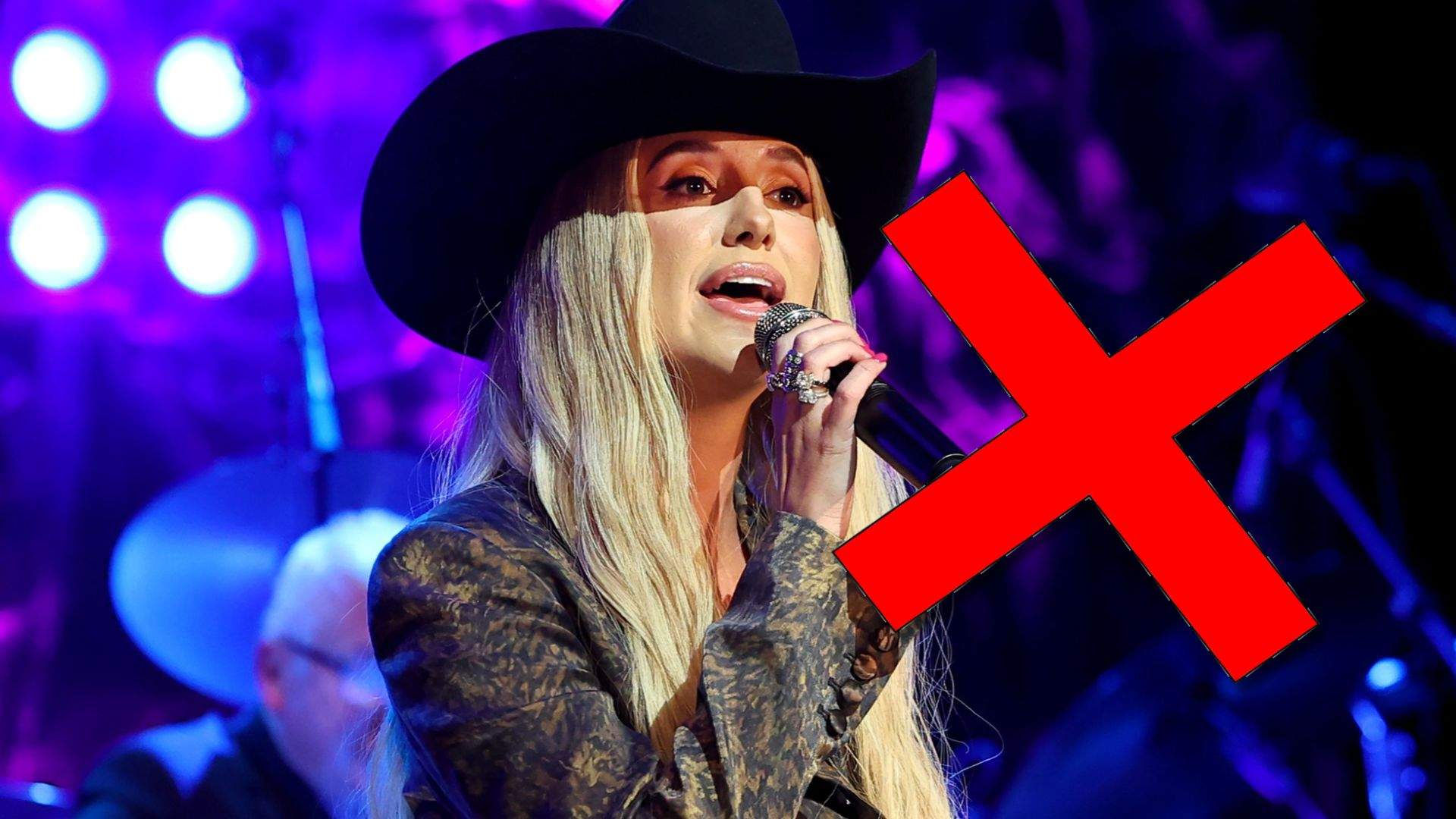
Country music’s Lainey Wilson offers a further illustration of resilience. She auditioned for Idol seven times, each time being turned away by the producers. Yet after her eventual breakthrough with the hit “Things My Mom Never Taught Me,” Wilson's career took off, and she performed on the Season 21 finale in May 2023, sharing a stage with Jelly Roll. The repeated rejection did not deter her; instead, it added a layer of grit to her persona that resonated with audiences.
Together, these narratives underscore a broader industry truth: that the discovery of talent is not a linear process dictated by a single platform. The story of Bebe Rexha, Hillary Scott, and Lainey Wilson serves as a case study in the unpredictable pathways to stardom. For record labels, talent scouts, and aspiring musicians, the message is clear—keep searching beyond the conventional doors.
What People Are Saying
The conversation around Idol rejections has intensified in recent months, especially as former contestants reflect on their journeys. Fans of Bebe Rexha took to social media to express admiration for her humility, applauding the fact that she never let her early setback define her. Many highlighted the symbolic weight of her returning as a mentor—an almost full-circle moment that reasserts her belief in the potential of the next generation.
Industry insiders, too, are taking note. Some commentators have pointed out that the Idol format, once a dominant force in talent discovery, has become less central to the industry’s talent pipeline. Streaming platforms, independent releases, and viral social media moments now offer alternative routes to success. As a result, producers are reexamining their selection criteria and the role of televised auditions in discovering and cultivating artists. The case of Rexha’s initial rejection followed by international acclaim has sparked discussions about the necessity of talent shows in the current musical ecosystem.
In a recent roundtable with a group of music executives, one panelist observed that “talent is not bound to a single audition room; it’s about the narrative a musician can craft beyond that moment.” The sentiment was echoed by several veteran producers who argued that while shows like Idol provide a valuable platform, the real measure of a star’s staying power lies in their ability to adapt, write, and engage audiences in multiple arenas.
For younger artists who may still be in the throes of auditioning, the stories of Rexha, Scott, and Wilson serve as both cautionary and hopeful narratives. Their shared experience of rejection—an emotion familiar to many—illustrates that a single “no” does not preclude a flourishing career. The fact that Rexha returned to the Idol stage, this time as a mentor, signals that the industry is willing to recognize growth and redemption. It also hints at a shift toward a more inclusive understanding of success, where perseverance and versatility become as prized as the initial talent discovery moment.
What Happens Next
Looking forward, the music industry appears poised to embrace a more pluralistic approach to talent identification. Record labels are increasingly scouting online platforms such as TikTok, YouTube, and SoundCloud, where artists can amass sizable followings without ever stepping into a studio. Moreover, the proliferation of independent distribution services allows musicians to release music directly to audiences, bypassing the gatekeepers that once dominated the field.
In this evolving landscape, Bebe Rexha’s experience offers a blueprint. She leveraged her songwriting skills to collaborate with high‑profile artists, then transitioned into her own recording career. Her ability to reinvent herself, to learn from rejection, and to engage with audiences across multiple channels has cemented her position in the industry. It suggests that artists who can pivot, write, and connect will thrive, regardless of their origin.
The trajectory of Lady A and Lainey Wilson reinforces the same lesson. Their continued success—despite early setbacks—demonstrates that an artist’s career is a marathon, not a sprint. For the industry, this means continued investment in artist development programs, mentorship opportunities, and a willingness to re-evaluate the metrics of talent that have long been tied to televised competitions.
Finally, as audiences become more media-savvy and less reliant on traditional television for entertainment, the next wave of stars may emerge from entirely different ecosystems. Producers, managers, and record executives will need to stay attuned to these shifts, fostering environments that encourage diverse expressions of artistry. Bebe Rexha’s 12‑hour wait, a moment once perceived as a career setback, may very well be the genesis of a broader understanding: that the journey to stardom is paved with both rejection and resilience, and that the industry must adapt to recognize and nurture both.
The story of Bebe Rexha and her peers is a reminder that the path to the top is rarely a straight line. Rejection may be a hurdle, not a dead end. As the music world continues to evolve, it will be those who can endure, adapt, and reimagine their craft who will rise, one song at a time.
The Bottom Line
At MyWorldPulse, we see Bebe Rexha’s journey as a blueprint for the next generation of artists. Her 12‑hour setback, followed by a triumphant return as a mentor, exemplifies the power of perseverance and reinvention. The fact that she later guided Caleb Lee Hutchinson—a fresh face on the Idol stage—underscores a critical industry truth: the most valuable talent is not only those who shine at the audition but those who can teach, collaborate, and adapt. This shift challenges the old notion that televised talent shows are the sole path to stardom. Record labels and managers must now broaden their scouting horizons, embracing digital platforms, grassroots fanbases, and mentorship roles as essential ingredients for long‑term success. The music world must recognize that resilience, narrative craft, and cross‑platform fluency are the new currencies of influence. In a landscape where talent is no longer confined to a single audition room, it’s the artists who can harness rejection, pivot, and inspire others who will define the future of pop, country, and beyond. MyWorldPulse remains committed to spotlighting those stories that remind us: the path to the top is rarely straight, but it is never closed.
Reference:
- Bebe Rexha's Instagram post announcing her return as an Idol mentor (July 2023)
- Lainey Wilson's Twitter post about her Season 21 finale appearance (May 2023)
Read more celebrity news at MyWorldPulse.