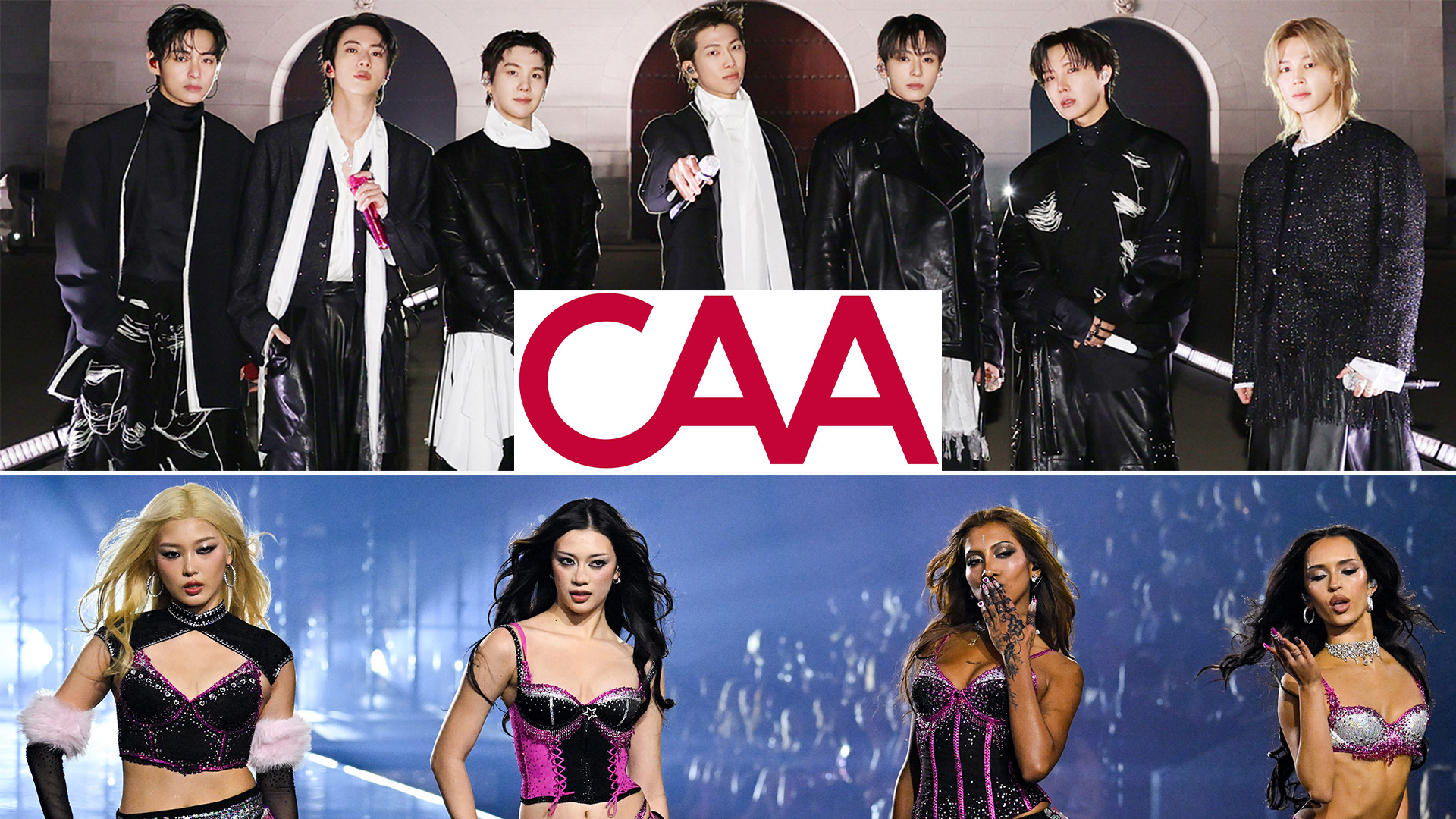
In a move that feels like a seismic shift for pop culture, Hybe—South Korea’s powerhouse behind global hits like BTS—has inked a sweeping deal with Creative Artists Agency (CAA). The agreement means the American agency will now represent Hybe’s entire roster, which includes more than a dozen acts such as Katseye, Tomorrow X Together, and Seventeen, in addition to the world‑record‑setting boy band that has amassed a fan base of roughly 250 million worldwide. The partnership covers a broad spectrum of collaboration, from content and brand partnerships to sports, licensing, merchandising, and live experiences.
The deal is more than a simple contractual arrangement; it signals a purposeful push into the United States, a market that remains one of the most lucrative yet challenging arenas for K‑pop. For Hybe, the move follows a decade of strategic growth that saw the company evolve from a modest indie label into a global entertainment conglomerate, now owning a vast catalog of intellectual property and a portfolio of artists who consistently dominate streaming charts. CAA, founded in 1975, is known for representing high‑profile actors, musicians, and athletes. Together, they aim to bridge the cultural and commercial divide that has long separated Asian pop from its American counterpart.
What the partnership offers is a multifaceted collaboration framework. CAA’s vast network in music, film, television, and sports will open new avenues for Hybe’s artists to secure high‑profile brand endorsements, participate in American sports leagues, and engage in joint streaming ventures. The deal also encompasses licensing and merchandising rights, enabling the creation of globally distributed products and the staging of world‑touring live experiences that blend Korean performance aesthetics with Western market sensibilities.
Background & Context
Hybe’s rise began in 2005 when its founder, Bang Si‑hyeok, launched what would become Big Hit Entertainment. Over the past decade and a half, the company has strategically diversified, acquiring music labels, expanding into publishing, and creating a robust intellectual‑property ecosystem. Its flagship act, BTS, broke barriers by topping Billboard charts, selling out arenas in the United States, and generating billions in revenue through digital sales and merchandise. By 2023, the group had surpassed one billion streams on Spotify alone, cementing its status as a global icon.
Creative Artists Agency, meanwhile, has long been a major player in entertainment representation. The firm’s roster spans Hollywood actors, record artists, and sports stars, and its influence extends across television, film, and digital platforms. CAA’s history of negotiating cross‑industry deals—such as partnerships between musicians and major sports leagues—positions it as a natural ally for Hybe’s ambitions. The partnership marks CAA’s first formal foray into representing a Korean agency’s full artist lineup, proof of the growing appetite for K‑pop talent in the Western market.
Industry observers note that the collaboration reflects a broader trend: as Asian pop cultures increasingly permeate the global mainstream, Western agencies are looking to diversify their portfolios with fresh, high‑energy acts. Hybe’s model—blending music production with sophisticated brand and IP management—offers a blueprint for how to translate success across borders. CAA, with its deep roots in U.S. entertainment, provides the necessary infrastructure to navigate the complexities of the American market, from music distribution to film collaborations and beyond.
What People Are Saying
Fans across the globe erupted on social media, with hashtags like #HybeCAA and #BTSUSA trending on platforms as diverse as Twitter and Instagram. In the comments, long‑time followers celebrated the chance for their favorite acts to perform live in major U.S. venues and to appear in prominent advertising campaigns. Some expressed cautious optimism, acknowledging that cultural adaptation can be challenging, while others highlighted the excitement of potentially seeing the next wave of K‑pop talent at events like the American Music Awards or the NBA playoffs.
Industry commentators pointed out that the partnership could redefine how K‑pop artists engage with Western audiences. Analysts noted that previous collaborations—such as BTS’s tie‑ups with global brands like Pepsi and Samsung—were largely handled by the artists’ own agencies. With CAA’s involvement, future endorsements may involve more strategic, long‑term planning, aligning with U.S. consumer trends and media cycles. Moreover, sports partnerships could be on the horizon, given CAA’s existing relationships with leagues such as the NFL and the NBA, opening avenues for joint sponsorships or event integrations.
While the fan base’s enthusiasm is palpable, there is also a segment of the community that remains wary of commercialization diluting the authenticity that has driven K‑pop’s grassroots appeal. Some fans fear that increased corporate involvement might prioritize profit over artistic integrity. Nonetheless, the general sentiment leans toward a hopeful anticipation that Hybe’s artists will maintain their creative roots while expanding their global reach.
What Happens Next
The first tangible outcomes of the partnership are likely to appear in the coming months. CAA will probably begin scheduling U.S. tours for acts like Tomorrow X Together and Seventeen, capitalizing on the growing appetite for live K‑pop performances across North America. Simultaneously, the agencies are expected to negotiate brand deals that align with the artists’ public personas—potentially ranging from lifestyle products to technology and apparel collaborations.
In the sports arena, Hybe and CAA may explore joint ventures with major American leagues. Already, several K‑pop artists have appeared in high‑profile sporting events, but a formal partnership could lead to more structured collaborations, such as athlete‑artist co‑brand campaigns or integrated fan experiences during game days. Licensing and merchandising expansions will likely include limited‑edition apparel, digital collectibles, and possibly even virtual concerts that blend augmented reality with the artists’ signature performance style.
On the content side, the duo might pursue co‑produced music videos, web series, or short‑form content for platforms like TikTok and YouTube. By leveraging CAA’s film and television connections, Hybe’s artists could cross over into acting roles or guest appearances on popular American shows, thereby deepening their cultural penetration. The collaboration also paves the way for potential joint ventures in the burgeoning field of streaming, where exclusive releases on platforms such as Netflix or Disney+ could reach a wider audience.
The partnership’s longevity will hinge on the adaptability of both parties to the dynamic U.S. entertainment landscape. While the initial enthusiasm is strong, maintaining momentum will require thoughtful navigation of licensing, cultural nuances, and fan expectations. Hybe’s experience in managing a vast IP ecosystem combined with CAA’s strategic representation could set a new standard for international artist management.
In sum, Hybe’s alliance with CAA marks a pivotal chapter in the globalization of K‑pop. By bringing a roster of world‑renowned acts into the heart of American representation, the deal not only promises expanded opportunities for the artists but also signals a new era of cross‑cultural collaboration in entertainment. The world watches with anticipation as these two giants work to reshape how music, brand, and culture intersect across continents.
The Bottom Line
MyWorldPulse sees Hybe’s partnership with CAA as a watershed moment for K‑pop’s global trajectory. By consolidating its entire roster under a single U.S. agency, Hybe gains a powerful platform to negotiate large‑scale brand deals, sports collaborations, and streaming agreements that were previously piecemeal. This move not only amplifies the visibility of acts like Tomorrow X Together and Seventeen in the North American market but also reinforces BTS’s role as a cultural bridge between East and West. For the entertainment industry, the deal exemplifies how digital‑native labels can harness traditional agency infrastructure to monetize content across multiple revenue streams—merchandise, live touring, and cross‑media appearances. Yet the partnership also risks diluting the grassroots authenticity that has fueled K‑pop’s worldwide appeal. The real test will be whether Hybe and CAA can preserve the artists’ creative integrity while scaling commercial ventures. MyWorldPulse remains optimistic that, with careful strategy, this alliance will usher in a new era of global pop collaboration, proving that the music industry’s future lies in bold, cross‑cultural partnerships.
Reference:
- Hybe’s official Instagram announcement of the CAA partnership
- Hybe’s press release detailing the representation agreement with CAA
Read more celebrity news at MyWorldPulse.