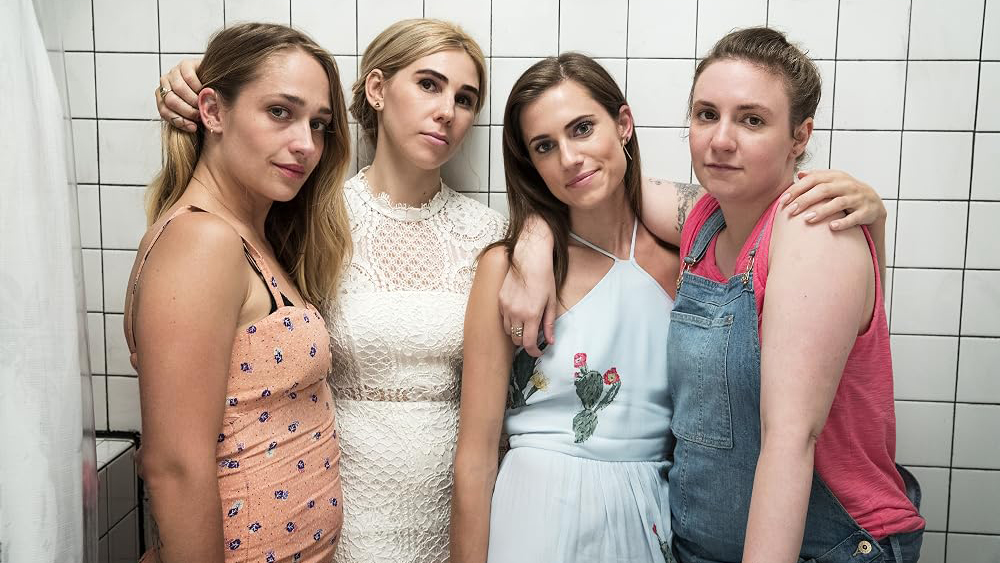
Nearly a decade after her breakout role as the witty, neurotic Shoshanna Shapiro, Zosia Mamet found herself telling the world that a revival of the HBO comedy “Girls” is finally a thing. The announcement—following months of quiet negotiations—has sparked fresh buzz in an industry hungry for nostalgic yet fresh content, especially for audiences craving authentic queer and feminist narratives.
The original “Girls” ran from 2012 to 2017, delivering sharp, unapologetic portraits of twenty‑something women navigating love, ambition, and identity in New York City. Zosia Mamet, a 34‑year‑old actress known for her sardonic wit, became a household name during those years, thanks to her quick comebacks and fearless portrayal of a protagonist with a crush on her best friend’s ex‑husband. Now, after years of uncertainty, she is thrilled that the project she helped create has been greenlit for a five‑episode return, marking a significant moment in the broader trend of revivals that aim to capture the essence of a show while updating its relevance.
For fans, the news is a promise of returning to the streets of Brooklyn and the quirks that made the original series unforgettable. For the entertainment business, it underscores the power of streaming platforms to resurrect beloved properties, test new narratives, and, importantly, explore more diverse representation—something that “Girls” has championed since its debut.
Background & Context
“Girls” premiered on HBO in 2012, written and produced by Lena Dunham and starring an ensemble that included Mamet, Allison Janney, and Hannah Waddingham. Over its five seasons, the show broke ground with its candid portrayal of queer relationships and a feminist lens rarely seen in mainstream television. Mamet's character, Shoshanna Shapiro, grew from a socially awkward barista into a complex figure who defied expectations about friendship, romance, and ambition.
After the final season, discussions about a revival began simmering within the industry. Initially, the idea floated quietly—industry insiders hinted that a new pilot could be in development, but concrete plans never materialized. Mamet, reflecting on that period, expressed a sense of resignation, stating that after nine years of silence, she had essentially given up on the notion that the series would return. That changed only when a renewed push for the revival surfaced in late 2023, driven by the appetite of streaming services for proven intellectual property and audiences craving nostalgia with a modern twist.
This revival taps into a larger industry movement. From “The Crown” to “The Office,” streaming platforms are increasingly looking back at classic shows, reimagining them for contemporary audiences. The “Girls” revival is poised to add a unique voice to that lineup, offering an intimate look at 2020s womanhood while retaining the raw authenticity that fans love.
What People Are Saying
Zosia Mamet’s revelation has set social media abuzz. Fans of the original series have embraced the news, celebrating the return of a show that broke many of the norms of television comedy. Commentators and critics alike have praised the revival’s potential to further explore the show's groundbreaking themes of gender, sexuality, and mental health.
Industry analysts note that the revival’s five‑episode format is a strategic decision. A shorter arc allows the series to delve deeper into character development and contemporary issues—such as the gig economy, mental health awareness, and the impact of social media—without diluting the narrative. By contrast, longer series often risk losing the tight focus that made the original “Girls” so compelling.
The casting news has also stirred excitement. Mamet confirmed that the original ensemble will largely return, with the exception of a few roles that were recast or written out. The inclusion of fresh faces, particularly queer and non‑binary actors, underscores the show’s commitment to diversity and offers new storylines that mirror the evolving cultural landscape.
Some skeptics have questioned whether the show can sustain its edge in a market saturated with nostalgia projects. Yet many argue that “Girls” is uniquely positioned to address the complex realities of millennial and Gen‑Z women—issues that resonate powerfully in today’s sociopolitical climate.
What Happens Next
Production is set to commence in early spring, with filming scheduled to take place across New York City and Los Angeles, mirroring the original series' geographic mix. The first episode is slated for a mid‑summer premiere on HBO Max, a platform that has invested heavily in original content aimed at a younger demographic.
Lena Dunham, co‑creator of the original series, has taken on the role of executive producer for the revival. Her involvement is expected to preserve the authenticity of the show’s voice, while her updated perspective could help navigate contemporary themes such as digital connectivity and shifting gender norms.
Marketing for the revival is already in motion. Teasers featuring Mamet and the ensemble have begun circulating, with the full promotional campaign launching shortly after the premiere date is confirmed. Given the current appetite for binge‑worthy content, the show’s release strategy likely includes a “drop” of all five episodes simultaneously, encouraging social media conversation and fan engagement.
Beyond the initial release, the producers are exploring potential spin‑offs and digital extensions. These could involve companion podcasts, behind‑the‑scenes documentaries, or interactive online experiences that deepen viewer connection to the characters’ journeys.
The revivals of beloved shows often pose a challenge: balancing nostalgia with fresh storytelling. For “Girls,” the stakes are high, as the industry and audience alike look for a series that not only revisits familiar characters but also pushes the envelope on representation and social commentary. If it succeeds, it could set a new benchmark for how revivals are approached in the streaming era.
In the days ahead, fans will be waiting with bated breath for the first glimpse of Shoshanna’s return, eager to see how her story unfolds in a world that has evolved since her last appearance. As Zosia Mamet herself has indicated, the revival is proof of the enduring power of genuine storytelling—and an affirmation that sometimes, the best stories are those that keep waiting.
The Bottom Line
Revivals are a double‑edged sword, but “Girls” turns that sword into a scalpel. The series’ deliberate bite‑size, five‑episode run lets the writers return to Shoshanna’s world without the pitfalls of a full‑season binge. The fresh cast additions—queer and non‑binary actors—refresh the dialogue and keep the show from feeling stale. From an editorial standpoint, the move is timely: audiences crave authentic representation, and HBO Max’s younger demographic hunger for stories that speak to their lived realities. The network’s decision to drop all episodes simultaneously invites real‑time fan discussion, turning the series into a cultural touchstone. If the revival can maintain the razor‑sharp wit of the original while tackling contemporary issues like the gig economy and social media addiction, it will set a new standard for how nostalgia can be leveraged responsibly. We applaud Zosia Mamet’s leadership and Lena Dunham’s continued stewardship, both of whom bring a fierce commitment to genuine storytelling. “Girls” has the potential to be more than a nostalgic trip; it could redefine the future of revival television. —MyWorldPulse.com
Reference:
- Official post on Zosia Mamet's verified Instagram
Read more celebrity news at MyWorldPulse.