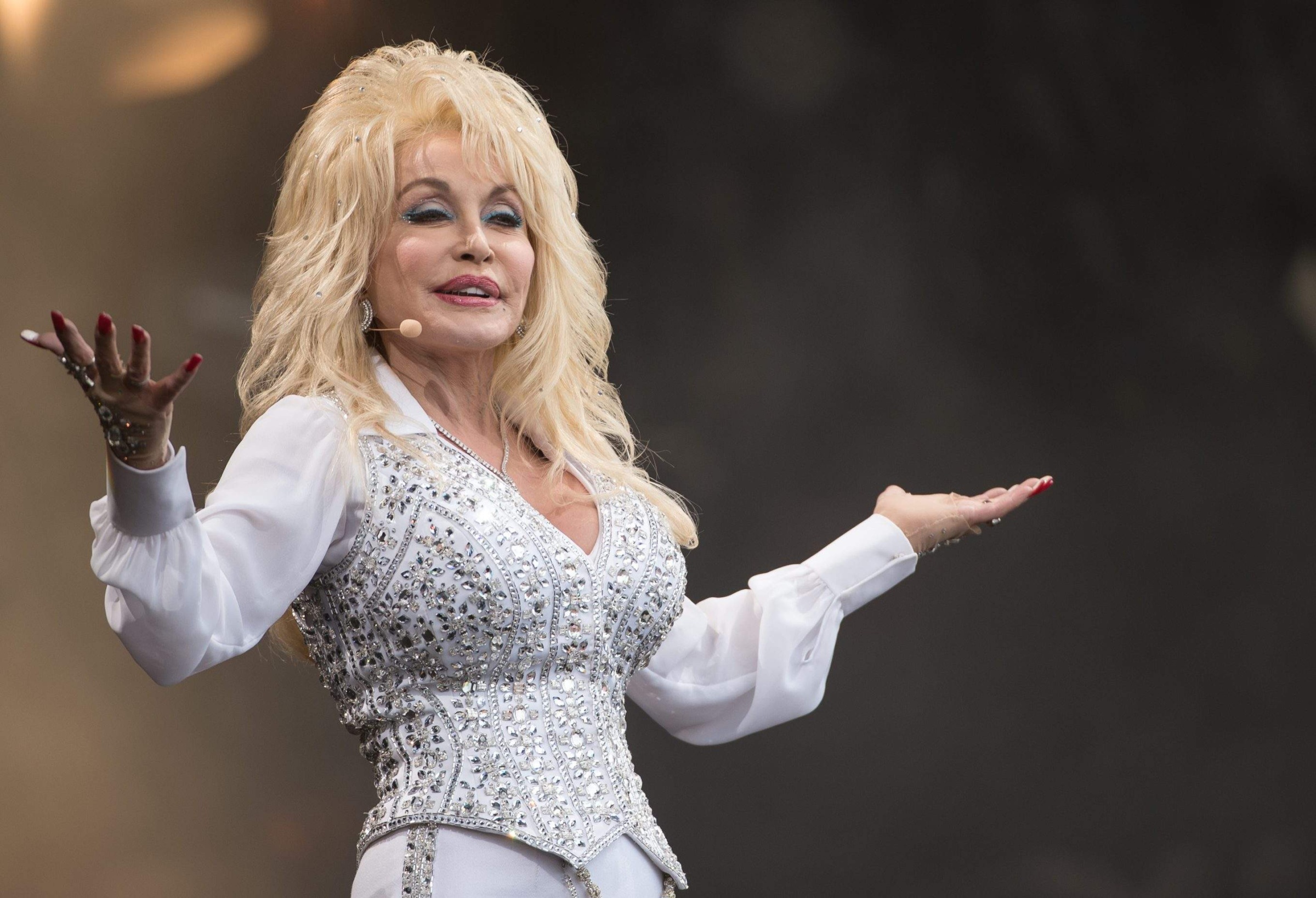
Dolly Parton’s music iconography now lives on as a fiery, auburn‑furred red panda cub that captured the hearts of over 20,000 people in a single day, even as her family quietly wrestles with a $450 million estate battle.
The National Zoo in Washington, D.C., unveiled a photo of a newborn red panda cub on October 20, 2026, naming it Dolly after the legendary country singer. The cub was born in Front Royal, Virginia, at the Smithsonian’s National Zoo and Conservation Biology Institute, a fact that the zoo’s Facebook post emphasized in a celebratory tone. “Drum roll please! Put your paws together for our newly named red panda cub! With flaming locks of auburn fur and a cuteness that extends beyond the hours of 9 to 5, this little firecracker officially has a name: Dolly!” the post announced. The post also noted that the name Dolly received nearly 65 % of the more than 20,000 votes cast by the public.
The story is more than a cute animal naming ceremony. It arrives at the same time as headlines about a private dispute among Dolly Parton’s relatives, who are said to be quietly protecting the singer’s legacy while navigating a $450 million estate. A source told reporters that the family prefers to keep internal matters hush‑hush to preserve Dolly’s name and the brand she has built over five decades. The estate, estimated at $450 million, is now the center of a bitter feud that has ruffled even the most seasoned attorneys.
---
Background & Context
Dolly Parton’s cultural imprint is as deep as the grooves in her signature blue‑bell guitar. From her Nashville roots to her Nashville‑to‑Hollywood transition, Dolly has become a global figure, known for her charitable work, distinctive style, and a string of songs that have become part of everyday life. She is also the owner of a $450 million estate that includes real estate, music royalties, and a growing catalog of intellectual property. The estate’s value reflects both her creative output and her savvy business acumen. Yet, with great wealth comes great scrutiny, and a recent private family dispute has cast a shadow over her public persona.
The red panda, a small mammal native to the temperate forests of the Himalayas, is not closely related to the giant panda. They are the sole living members of their own family, Ailuridae. Red pandas have a distinctive reddish-brown coat, a bushy tail with alternating rings, and a face marked by white “tear” patches that may help shield their eyes from glare. They feed primarily on bamboo, and their natural habitat ranges from northern Myanmar to Sichuan and Yunnan in China. The National Zoo’s description of the species highlights their camouflage, which allows them to blend into the mossy canopy of fir trees.
The cub, named Dolly, is the latest addition to the zoo’s red panda colony. Its parents, both named after the legendary singer, were already popular among visitors. The cub’s arrival was met with excitement not only because of its playful nature but also because the zoo chose to involve the public in its naming process. Over 20,000 votes were cast, demonstrating the deep engagement that Dolly Parton commands across generations. The name Dolly won by a comfortable margin, underscoring her enduring appeal.
The zoo’s Facebook announcement also mentioned the rejected names “Dolpa” and “Pyra,” offering a glimpse into the decision‑making process behind the final choice. Though the cub’s name might seem a trivial detail, it is part of a larger conversation about how public institutions use cultural icons to create emotional connections with visitors. In the same way that the zoo has turned a small animal into a symbol of Dolly’s legacy, her family’s estate is now being turned into a focal point for legal and personal battles.
---
What People Are Saying
The social media thread that accompanied the zoo’s post was alive with comments. Some fans suggested alternate names—“Jolene” was one such suggestion, referencing Dolly’s iconic song. Others sent heartfelt greetings: “Hello Dolly! It’s so nice to have you back where you belong!” and “Plot twist: She is the reincarnation of Dolly Parton.” A few participants went further, claiming that the cub was “almost too cute to handle,” while one quipped that it was “the reincarnation of Dolly Parton,” proof of how deeply her influence permeates popular culture.
These reactions reflect a broader sentiment among Dolly Parton’s fan base: the singer’s legacy transcends music and extends into the realm of storytelling. By naming a living creature after her, the National Zoo tapped into the collective memory of the public. The zoo’s own message—“Thank you to everyone who participated and shared. Stay tuned for more updates on Dolly and her companions!”—reinforced this sense of community, promising ongoing engagement.
On the estate side, a source told reporters that the family “is generally quiet about internal matters. Part of it is probably to protect Dolly and preserve the family name.” This statement, while vague, signals that the dispute is highly personal and likely to remain outside the public eye. Fans of Dolly Parton, however, have expressed a mix of curiosity and concern. Some worry that a public feud could tarnish her name, while others believe that Dolly’s own voice—through her philanthropic initiatives—will keep her legacy intact regardless of legal wrangles.
The public’s interaction with the zoo’s naming process illustrates a new form of participatory culture. Over 20,000 votes were cast in a matter of hours, a demonstration of how digital platforms can galvanize communities around shared interests. Even though the estate battle is conducted behind closed doors, the public remains eager to connect with Dolly’s story, whether through a charming cub or through the legal intricacies that threaten to eclipse her name.
---
What Happens Next
The National Zoo has pledged to keep the public informed about Dolly’s growth, including feeding schedules, health updates, and eventual integration with the rest of the colony. The cub’s arrival is part of a larger breeding program aimed at conserving a species that is considered endangered. By naming the cub after a beloved cultural icon, the zoo hopes to attract more visitors, thereby generating revenue for conservation efforts.
In parallel, the estate dispute is expected to continue through the courts, with each party presenting arguments that span financial, familial, and ethical dimensions. Although the dispute has not yet entered a public forum, the sheer value of the estate—$450 million—means that its resolution will likely shape the future of Dolly Parton’s brand. Even though the family prefers to keep matters quiet, the public’s attachment to Dolly’s name means that the outcome could have cultural ramifications far beyond the legal realm.
For Dolly Parton herself, the situation remains largely out of the public eye. The singer’s focus appears to be on her music, philanthropy, and her continued involvement with the National Zoo’s conservation work. Whether the estate battle will influence her future endeavors remains to be seen, but the emergence of Dolly the red panda suggests that her influence is far from fading.
The story of Dolly Parton’s legacy—embodied in a fiery cub and contested in a family legal battle—highlights the complex ways that cultural icons can become living symbols. As the public watches the red panda grow and the family navigates its internal strife, one thing remains clear: Dolly Parton’s name will continue to resonate in unexpected places, from the bark of a forest to the pages of legal documents.
The Bottom Line
MyWorldPulse believes that Dolly Parton’s foray into the world of red pandas is more than a cute marketing stunt—it’s a masterclass in brand stewardship. By aligning a high‑profile animal with her legacy, Dolly’s family has turned a public affection into a tangible conservation partnership that not only drives zoo attendance but also reinforces her philanthropic narrative. Simultaneously, the silent $450 million estate battle reminds us that celebrity names are also valuable legal assets, vulnerable to intra‑family conflict. For the industry, the lesson is clear: protect and monetize a brand by embedding it in stories that resonate with audiences across generations. Whether the next chapter of Dolly’s legacy unfolds on the stage, in a courtroom, or through a cuddly panda cub, the intersection of entertainment, conservation, and estate management will continue to shape how we value and preserve cultural icons. —MyWorldPulse
Reference:
- National Zoo Facebook post announcing the naming of the red panda cub
Read more celebrity news at MyWorldPulse.