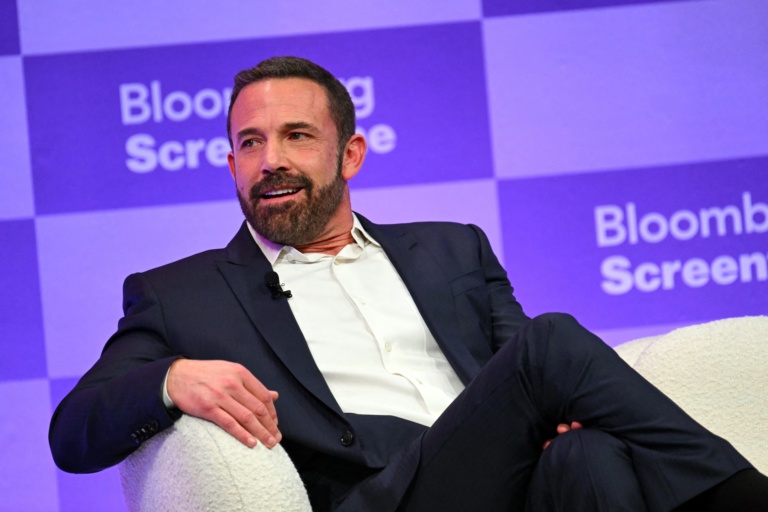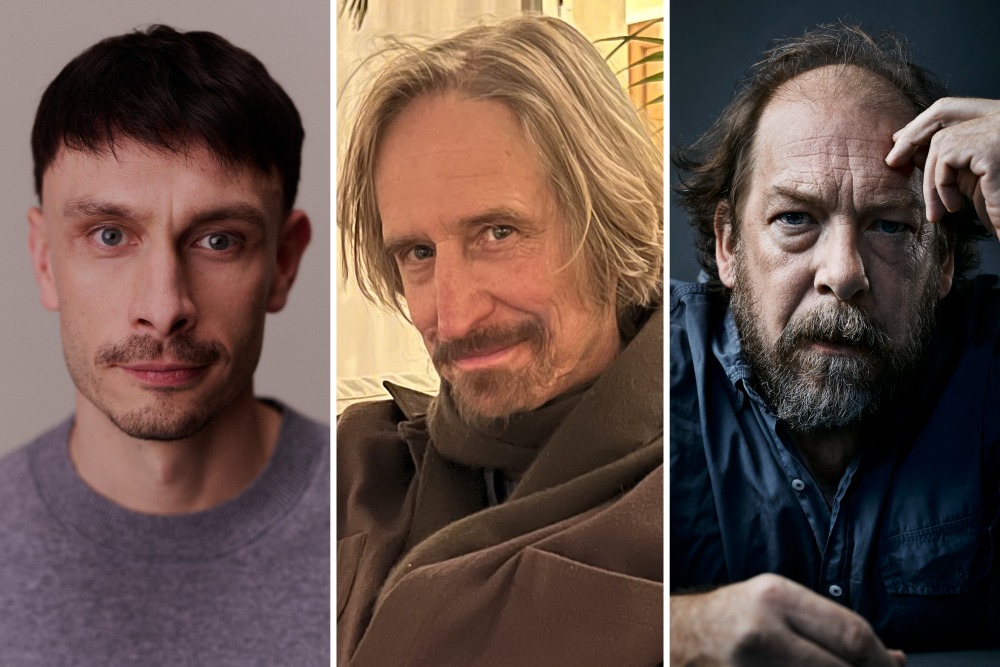
In the high desert of Santa Fe, New Mexico, the rugged silence of the landscape is interrupted by the steady hum of camera crews and the sharp thud of a director’s shout. Michael Keaton, who has spent decades mastering the art of acting, now steps into the director’s chair for his first feature, a Western thriller titled Rode to Ruin. The film, which boasts an ensemble of seasoned talent, brings together Emmy‑winning writer‑actor Richard Gadd, multi‑Emmy nominee Bill Camp, and Oscar‑nominated filmmaker Ray McKinnon. With Keaton also front‑lining the story, the production signals a bold pivot for a veteran who has never before guided a project from page to screen.
The stakes are high. Keaton’s transition from performer to director is not merely a career pivot; it is a statement about the evolving nature of genre cinema. Westerns, once a staple of American film, have re‑emerged in recent years with nuanced narratives that explore morality, frontier justice, and the psychological costs of survival. By infusing Rode to Ruin with a roster that spans generations—Gadd’s sharp, award‑laden writing, Camp’s gravitas earned through decades of Emmy‑laced roles, and McKinnon’s reputation for blending gritty realism with cinematic flair—Keaton signals his intention to deliver a fresh take on the classic Western motif.
The film’s production in Santa Fe, a town known for its authentic adobe architecture and its long-standing association with Western history, provides a genuine backdrop that many fans and critics anticipate will ground the story in a palpable sense of place. With a crew that has already wrapped principal photography, the project now shifts focus to fine‑tuning performances, capturing the raw emotional beats, and setting the stage for a release that could resonate with audiences hungry for substantive storytelling in an increasingly digital world.
Background & Context
Michael Keaton, celebrated for his versatility across genres—from the comic hero of Batman to the introspective lead in Birdman—has spent the past decade exploring roles that push the limits of conventional character work. His choice to direct a Western is a deliberate nod to the roots of American cinema, a genre that has, over the last decade, seen a renaissance with films like The Revenant and The Hateful Eight redefining the stylistic and thematic parameters of the frontier narrative.
Richard Gadd’s addition to the cast adds a layer of narrative depth. An Emmy‑winning writer and actor known for his sharp, sometimes absurdist sense of humor, Gadd brings a voice that can oscillate between the surreal and the visceral—an essential quality when balancing a Western’s rugged surface with the psychological undercurrents of its characters. Bill Camp, whose performances have earned him multiple Emmy nominations for work on The Americans and The Crown, provides a steady presence that anchors the film’s emotional core. Meanwhile, Ray McKinnon, an Oscar‑nominated director whose work on The Last of the Mohicans showcases his ability to intertwine action with intimate storytelling, is expected to influence the film’s pacing and visual storytelling, even as he steps away from the director’s chair for this project.
The collaboration of these creatives reflects a broader industry trend where actors are increasingly stepping behind the camera, seeking creative control and the opportunity to craft narratives that resonate with contemporary sensibilities. Keaton’s experience in front of the camera gives him a unique perspective on how actors interpret material, allowing him to guide the performance in ways that are both authentic and impactful. In this sense, Rode to Ruin stands at the intersection of traditional Western storytelling and modern cinematic experimentation.
What People Are Saying
While the production remains tightly wound, industry insiders have already noted the palpable energy on set. The film’s visual team, led by a cinematographer who has worked on multiple period pieces, has chosen to exploit Santa Fe’s sun‑bleached vistas, using natural lighting to craft an almost cinematic palette that echoes the film’s thematic weight. Critics anticipate that Keaton’s directorial style will blend stark realism with subtle stylistic flourishes—an approach that mirrors his own on‑screen performances.
Discussions among peers suggest that the casting decisions are more than mere roster building. Gadd’s reputation for blending the absurd with the profound promises that dialogue in Rode to Ruin will carry an edge that could surprise genre purists. Camp’s veteran presence offers a counterbalance to the ensemble, ensuring that the story’s emotional stakes are not lost amid action sequences. McKinnon’s involvement is expected to imbue the film with an undercurrent of moral ambiguity, echoing his past work where characters grapple with ethical dilemmas against a backdrop of relentless environment.
Audience anticipation is building on social media channels where fans of Keaton’s past work have begun to speculate on the film’s tone and narrative direction. Although no official synopsis has been released, early previews of behind‑the‑scenes footage have highlighted Keaton’s focus on character development, suggesting that the Western will prioritize psychological depth over conventional shoot‑em‑up spectacle. In a market saturated with franchise blockbusters, Rode to Ruin could carve a niche for itself as a contemplative, genre‑subverting piece that rewards viewers with layered storytelling and thoughtful pacing.
What Happens Next
With principal photography wrapped, the crew now shifts to post‑production, a phase that will involve meticulous editing, sound design, and musical scoring. The director’s office will likely focus on crafting the film’s rhythm—deciding which scenes to highlight, how to pace action against quieter moments, and how to ensure the narrative’s tension remains consistent. Given Keaton’s background as a performer, he is expected to be hands‑on during this process, refining scenes to capture the intended emotional beats.
The next critical step involves securing distribution and a release strategy. While no major studio has yet announced a commitment, the production team’s prior connections suggest that the film could attract interest from companies known for distributing indie and genre‑focused projects. A festival circuit debut is a common path for films of this nature, allowing Rode to Ruin to generate buzz and critical acclaim before a broader theatrical or streaming release. If the film performs well at festivals, it may secure a distribution deal that guarantees a release in key markets, both domestic and international.
From a marketing perspective, the film’s unique blend of star power and genre ambition offers multiple angles. Promotional efforts may emphasize Keaton’s first directorial endeavor, the ensemble cast’s credentials, and the authenticity of the Santa Fe shooting locations. Social media campaigns will likely highlight the film’s thematic focus on moral complexity, with teaser clips hinting at the tension between survival instincts and personal ethics. The final release date will be announced once distribution partners and festival screenings are confirmed, ensuring that the film enters the market with maximum visibility.
In the weeks that follow, the production’s team will remain focused on refining the final cut and preparing for the next stage of distribution. Whether the film ultimately lands in mainstream cinemas or finds its audience through a streaming platform, its journey from a director’s vision to a completed work will be proof of the collaborative spirit of modern filmmaking.
As the desert winds carry the echo of distant horse hooves, Rode to Ruin moves one step closer to reaching the audience—promising a Western that feels as new as it feels rooted in the timeless landscape of American cinema.
The Bottom Line
At MyWorldPulse, we view Michael Keaton’s first directorial effort not merely as a career milestone but as a deliberate challenge to the Hollywood status quo. The Western, long considered a safe genre, is being revisited with a focus on moral ambiguity and psychological depth—qualities that resonate with today’s viewers craving substance over spectacle. By assembling a cast of Emmy and Oscar‑qualified performers, Keaton ensures that the film’s performances will carry the weight of the narrative, while the involvement of Ray McKinnon’s seasoned visual sensibilities guarantees a polished aesthetic. Our publication believes that ‘Rode to Ruin’ has the potential to rejuvenate the Western, offering a fresh, contemplative lens that may inspire future filmmakers to prioritize character over action. Should the film succeed in its festival ambitions, it will likely become a benchmark for genre‑subverting cinema, proving that even established stars can innovate without abandoning their core identities and keep audiences engaged forever.
Reference:
- Michael Keaton's official Instagram announcement of Rode to Ruin
- Rode to Ruin production company press release
Read more celebrity news at MyWorldPulse.