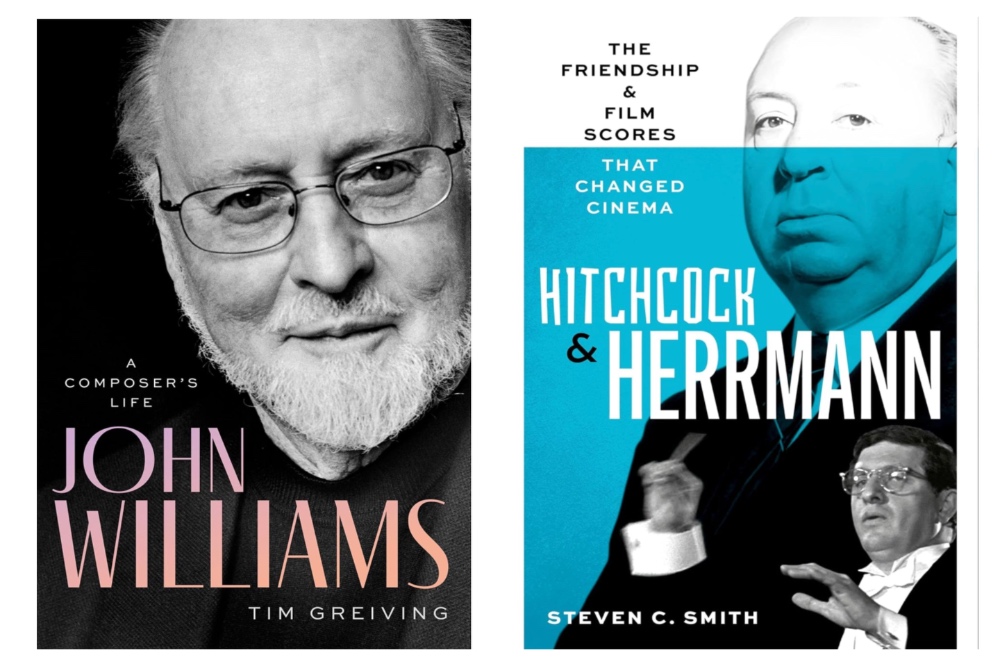
In a ceremony that felt more like a quiet tribute than a flashy event, the American Society of Composers, Authors, and Publishers celebrated the life of John Williams through a newly released biography that has already begun to reshape how the film‑scoring titan is remembered. The award, one of many given by ASCAP each year to honor the finest music writing and broadcast productions, places a spotlight on the work’s depth, noting Williams’ 80-year journey from modest beginnings in New York to the heights of cinematic legend.
The ceremony, held in a modest room at ASCAP’s headquarters in Manhattan, saw the names of other recent winners light up the screen: a biography of composer Bernard Herrmann, a documentary about cult R&B icon Swamp Dogg, liner notes for an archival Frank Zappa release, and a series of YouTube podcasts hosted by Rick Beato. Though the event was intimate, the impact of the awards reverberated across the music world, prompting a wave of discussion about the role of narrative and scholarship in preserving the legacy of music’s unsung heroes.
While the focus of the evening rested on the biographies, the range of recognized works—spanning film scores, rare recordings, and digital media—illustrates ASCAP’s evolving approach to celebrating the full spectrum of music creation and dissemination. The society’s recognition of these diverse projects underscores a growing appreciation for both the historical documentation of musical achievements and the modern platforms that bring them to new audiences.
Background & Context
ASCAP, founded in 1914, has long championed the rights of composers and publishers, but its annual awards have expanded beyond traditional performance royalties into the realms of music journalism and broadcast. This evolution reflects a broader industry trend in which the lines between composer, writer, and broadcaster blur, creating a need for formal recognition of the intellectual labor that supports musical culture.
The 2023 awards, presented in a quiet ceremony at the society’s Manhattan office, marked a milestone in ASCAP’s commitment to preserving musical heritage. The award categories—ranging from biographies and documentaries to liner notes and digital podcasts—highlight the diverse ways in which music can be written about, archived, and shared. Each of the winners has contributed to a deeper public understanding of the figures and works that shape the sonic landscape.
John Williams, who scored some of the most iconic film franchises—“Star Wars,” “Indiana Jones,” and “Harry Potter”—has been the subject of scholarly inquiry for decades. The new biography, written by a respected music historian, examines his compositional process and the cultural impact of his music. Its inclusion among ASCAP’s honorees signals a recognition that the story of a composer is as essential to the music community as the notes they wrote.
The inclusion of Bernard Herrmann’s biography, a composer whose work on “Psycho” and “The Bridge on the River” reshaped cinematic sound, further emphasizes ASCAP’s focus on documenting the lives of those whose music has defined an era. Herrmann’s approach to orchestration and his collaborations with Alfred Hitchcock provide fertile ground for exploration, and the biography’s award underscores the importance of capturing the nuances of a composer’s career.
What People Are Saying
Reactions to the awards have been swift and enthusiastic across the industry. Within film‑scoring circles, the recognition of Williams’ biography has been greeted with gratitude for acknowledging his role as both a composer and a cultural icon. Music educators have cited the award as a catalyst for integrating more comprehensive studies of film music into curricula, citing the biography’s rich narrative as a teaching tool.
The documentary about Swamp Dogg, a figure who has long been considered a hidden gem in the R&B canon, has sparked conversations about the importance of spotlighting artists who have flown under mainstream radar. The film’s focus on the socio‑cultural context of Dogg’s work has been praised for broadening the conversation around what constitutes legacy in music.
Rick Beato’s YouTube podcasts, which dissect popular songs through the lenses of harmony, rhythm, and production, have also been hailed as a bridge between academic analysis and popular consumption. Beato’s ability to break down complex musical concepts into digestible lessons has attracted a global audience, and the award has cemented his role as a modern educator in the music industry.
Within the community of music historians and archivists, the recognition of liner notes for a Frank Zappa archival release has been met with particular enthusiasm. The notes’ detailed context and analysis offer a window into Zappa’s unconventional approach to composition and performance, providing scholars with invaluable material for further research. The award has highlighted the essential role that well-crafted liner notes play in preserving the integrity of archival releases.
The broader music community has noted the ASCAP awards as a sign that scholarly and documentary work is gaining visibility alongside mainstream media productions. By honoring these works, ASCAP affirms that music’s legacy is not solely built on what is heard but also on what is written, recorded, and analyzed.
What Happens Next
The awards ceremony’s immediate impact is already evident in the increased interest from publishers and broadcasters seeking to collaborate on similar projects. Publishers are beginning to pitch new biographies and documentaries to ASCAP, hoping to secure recognition and the accompanying prestige. The society’s criteria, which emphasize both scholarly rigor and public accessibility, suggest that future awardees will continue to blend academic depth with engaging storytelling.
For the creators behind the award‑winning works, the recognition provides a platform to expand their projects. The author of the John Williams biography has already announced a companion audio series that will explore the composer’s scores through interviews with musicians and conductors. Similarly, the documentary team behind Swamp Dogg’s film is planning a follow‑up feature that will examine the broader network of underground artists who influenced his sound.
Rick Beato’s podcast series is expected to extend its reach into educational partnerships, with plans to develop curriculum modules for music schools and community programs. The recognition from ASCAP serves to reinforce his credibility as an educator and advocate for music literacy.
From a broader perspective, ASCAP’s expanded focus on diverse forms of music writing signals a shift toward a more inclusive understanding of musical heritage. By honoring works that span biographies, documentaries, liner notes, and digital content, the society is redefining what it means to contribute to the musical canon. This approach encourages a more comprehensive archival culture, ensuring that future generations have access to rich, contextualized narratives that illuminate the lives and works of musical innovators.
The ripple effect of these awards is likely to inspire more scholars, writers, and creators to pursue projects that explore underrepresented voices in music. The recognition affirms that music history is an evolving story, one that can be told through the pen, the lens, and the digital screen as well as through the notes themselves. In celebrating these achievements, ASCAP has positioned itself not just as a guardian of music rights but as a steward of the cultural memory that underpins the art form.
As the music community digests this latest wave of accolades, one thing remains clear: the stories behind the music—whether written in books, captured on film, or unpacked in podcasts—are just as vital to the legacy of the songs we love. The ASCAP awards have made that truth unmistakably loud.
The Bottom Line
ASCAP’s decision to honor John Williams’ biography and a spectrum of related works is more than a nod to the composer; it’s a clarion call for the music industry to value storytelling as an integral part of artistic legacy. By celebrating scholarship, documentaries, liner notes, and podcasts, ASCAP signals that the future of music culture hinges on how well we document and disseminate the stories behind the sounds. This is a win for educators, who now have richer, vetted materials to weave into curricula, and for fans, who gain deeper insight into the creative minds that shape our soundtrack. The ripple effect is clear: publishers and broadcasters will increasingly seek to collaborate on projects that marry academic depth with engaging narratives, ensuring that music history is not merely preserved, but actively explored and taught. The ASCAP awards, therefore, represent a strategic pivot that elevates music scholarship, enriches educational resources, and ultimately strengthens the cultural fabric that binds us all.
—MyWorldPulse.com
Reference:
- ASCAP announces John Williams biography award on Twitter
Read more celebrity news at MyWorldPulse.