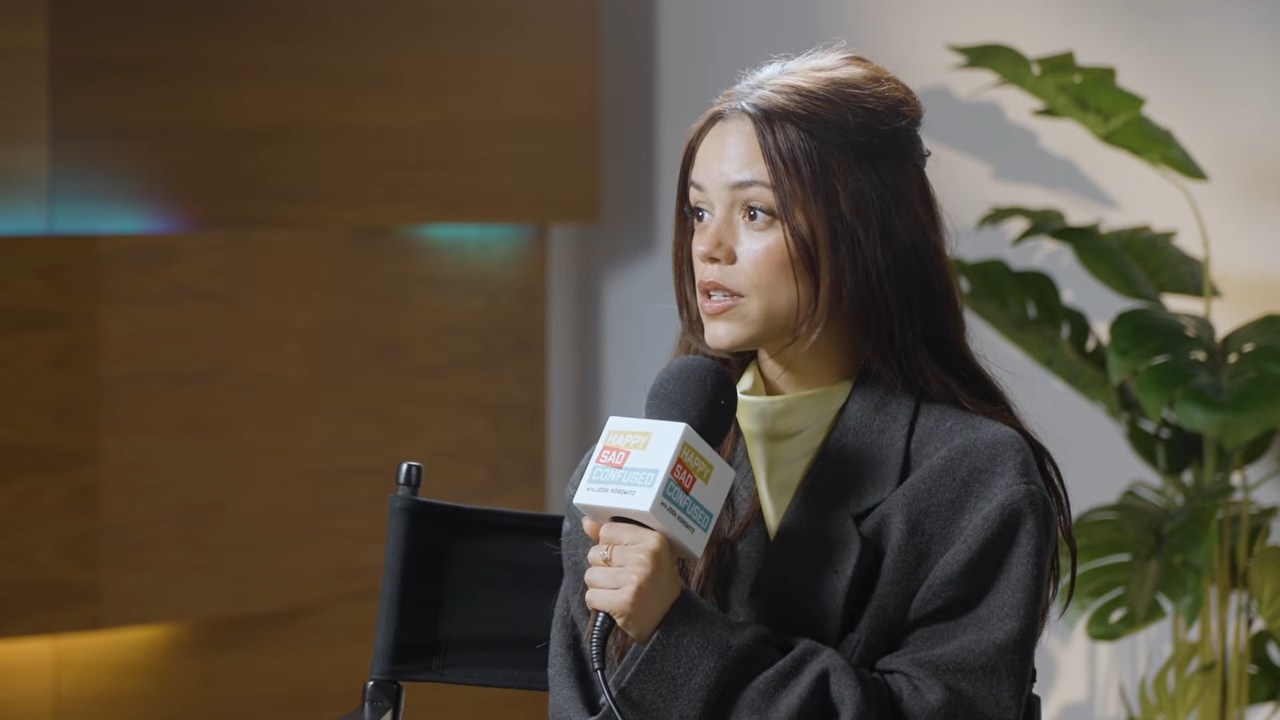
The moment a breakout star pulls the plug on a flagship series reverberates through the streaming world, reshaping expectations and testing a brand’s resilience. Jenna Ortega’s announcement to step away from her role as Wednesday Addams has sent shockwaves across fan communities and executive offices alike. With the third season of Netflix’s horror‑drama poised for release sometime in 2027, the network now faces a pivotal choice: recast the iconic role, shift narrative focus, or risk losing the franchise’s core audience. Ortega, who burst onto the scene at 18 and became the face of Wednesday from its 2022 debut, had guided the show through a second season that cemented its place as a cultural touchstone.
This development is more than a single actor’s exit. Wednesday’s success helped Netflix tap into a niche audience that thrives on gothic aesthetics, psychological intrigue, and a blend of teen drama with supernatural lore. The series has consistently pulled millions of viewers in its first week, and its merchandise sales have outpaced many other original titles. Ortega’s departure threatens to unsettle that momentum, prompting the streaming giant to reevaluate its investment in genre‑specific content and the long‑term viability of its original horror‑drama lineup. It also underscores a broader industry shift, where actors increasingly seek autonomy and diversified projects beyond long‑running contracts—a trend that could ripple through traditional production models.
The timeline of Wednesday’s evolution is stark. Developed by Tim Burton and released on Netflix in January 2022, the series premiered to mixed critical reception that quickly turned positive as word of mouth highlighted Ortega’s performance and the show’s unique tone. The second season arrived in late 2023, breaking viewership records and spawning a wave of fan theories about the series’ darker undertones. With the third season slated for sometime in 2027—two years after the second season’s conclusion—Netflix has positioned Wednesday as a multi‑year franchise, and Ortega’s decision to step away at this juncture introduces uncertainty that will test the brand’s resilience.
Background & Context
Wednesday’s creation was a bold experiment for Netflix, blending gothic horror with a fresh teen narrative. The show’s premise—centered on a teenage witch attending Nevermore Academy—allowed it to explore themes of identity, isolation, and rebellion while maintaining a playful, stylized visual aesthetic. Ortega’s portrayal of Wednesday Addams, initially an archetype, evolved into a character with layered motivations and an unexpected vulnerability that resonated across demographics. Her chemistry with co‑stars, especially her on‑screen interactions with her mother, added depth to a series that could have easily remained a one‑dimensional homage to the Addams Family.
Ortega’s performance earned her comparisons to iconic portrayals of Wednesday by Carrie Fisher and Anjelica Huston, yet she brought a contemporary edge that felt both fresh and faithful. Critics praised her “deadpan wit” and the way she navigated the show’s shift from comedic horror to more psychological suspense. The series also served as a cultural bridge, sparking a surge in memes, fan art, and cosplay that proliferated across Instagram and TikTok. The "Wednesday" fandom, dubbed the "Addams Kids," organized virtual watch parties and crafted elaborate fan theories that kept the conversation alive between seasons.
Historically, Netflix has navigated actor departures with varying degrees of success. When actress Kate McKinnon left The Office franchise’s digital continuation, the show pivoted to focus on new characters, albeit with mixed reception. More recently, the streaming platform re‑casted a lead in The Witcher after the original actor’s sudden unavailability, a move that highlighted both the risk and necessity of flexibility in serialized storytelling. In each case, the networks weighed audience attachment against narrative integrity, often opting for recast solutions or re‑shaped storylines. Wednesday now stands at a similar crossroads, forcing Netflix to decide whether to honor its brand’s established tone or embrace a new direction.
The implications for the wider industry are significant. As streaming platforms diversify into niche genres, the stakes of securing long‑term talent become higher. Contracts for young actors like Ortega—who began her career with Disney projects and quickly moved into mature roles—have increasingly included clauses that provide flexibility for future projects. This trend reflects a growing recognition that early career typecasting can limit an actor’s artistic growth. For Netflix, it means re‑thinking how to balance star power with creative continuity, especially in genres where a single character’s identity is central to the story’s allure.
What People Are Saying
When the news broke, social media erupted in a flurry of reactions, with fans expressing a mix of shock, disappointment, and curiosity. Twitter users employed the hashtag #WednesdayReturns, while Instagram threads buzzed with speculation about potential recasts or narrative adjustments. Many viewers voiced concerns about how Ortega’s departure might affect the show’s dynamic, noting her integral presence in previous storylines and her role as a narrative anchor.
In the fandom’s most active corners, such as Reddit’s r/WednesdayAddams and TikTok’s #WednesdayReboot, creators launched “recast ballots,” inviting fans to vote on who could best fill the void. Memes proliferated, often juxtaposing Ortega’s iconic deadpan look with images of potential replacements like Lily Collins or Naomi Scott—both actresses with gothic cred and an affinity for genre work. Some fans embraced the idea of a spin‑off focused on other Nevermore Academy residents, arguing that Wednesday’s influence could remain while the central character moved on.
Industry observers weighed in as well. Podcast hosts and indie entertainment blogs highlighted the broader implications for streaming originals, underscoring the delicate balance between actor availability and long‑term brand viability. Some commentators framed Ortega’s decision as a natural progression for a young actress looking to avoid typecasting, while others questioned whether Netflix’s contract structures adequately support talent longevity. A common theme emerged: the industry and its audiences are increasingly attuned to the personal agency of performers, and platforms must adapt to accommodate such shifts without compromising the integrity of ongoing narratives.
The response also tapped into a deeper cultural conversation about mental health and creative burnout. Ortega’s own interviews have previously touched on the pressures of navigating a career that oscillates between child star and adult roles. Her announcement was therefore met with empathy from viewers who championed the right to step back from a demanding schedule. This dialogue has prompted Netflix to reiterate its commitment to supporting creators’ well‑being, a stance that resonates in an era where public scrutiny of work‑life balance is at a fever pitch.
What Happens Next
Netflix faces a strategic decision that will shape the next chapter of Wednesday. If the platform opts to recast the titular role, it will need to secure an actor capable of balancing the gothic nuance that Ortega brought with a fresh perspective that honors the show’s established tone. Casting committees may lean toward performers with a proven track record in period or supernatural dramas—actors like Anya Taylor‑Joy or Tessa Thompson, who have demonstrated versatility in similar realms. The challenge will be to retain Wednesday’s essential detachment while allowing the new actor to inject personal agency and perhaps broaden the character’s emotional palette.
Alternatively, the series could pivot to a new narrative focus, perhaps shifting the spotlight to other characters or expanding the academy’s lore to fill the void left by Wednesday’s absence. This approach would mirror Netflix’s earlier handling of the The Witcher lead’s sudden unavailability, where the show pivoted to focus on the antagonist’s backstory, providing a fresh lens on the same world. Such a shift would be riskier but could potentially reinvigorate the series by exploring untapped angles—such as the enigmatic professor or the enigmatic new student—while preserving the franchise’s signature atmosphere.
Both routes present risks and opportunities, and the chosen path will be scrutinized by fans and critics alike. In either scenario, Netflix will likely release a detailed communication strategy, possibly through a fan event or a series of short videos featuring the show’s creative team. This transparency could help assuage concerns and rebuild trust, especially if the platform emphasizes that the show’s core thematic pillars—psychological depth, gothic style, and teenage angst—will remain intact.
Meanwhile, Ortega’s career trajectory is poised for new directions. Her recent film credits and off‑screen projects suggest a willingness to experiment with diverse genres, from period dramas to independent thrillers. She has expressed interest in roles that challenge traditional character archetypes, indicating a desire to break free from the shadow of Wednesday. Her decision to step away from a high‑profile series may free her to pursue roles that redefine her public persona, potentially leading to critical acclaim beyond the realm of horror‑drama.
As Netflix negotiates the next move, the entertainment landscape will watch closely to see whether this episode signals a broader realignment of star power, audience expectations, and the business models that underpin streaming content. The platform’s handling of this situation could set a precedent for how other franchises address similar challenges, influencing contract negotiations, creative flexibility, and audience engagement strategies across the industry.
In the end, Jenna Ortega’s exit from Wednesday underscores the fluid nature of modern television, where actors, platforms, and audiences continually renegotiate the terms of storytelling. The coming years will reveal whether the industry can adapt to such changes while preserving the compelling narratives that keep viewers coming back.
The Bottom Line
Netflix’s response to Jenna Ortega’s decision will test the platform’s resilience and its ability to adapt to evolving actor expectations. While a recast could preserve the series’ core identity, it must honor Ortega’s legacy and meet audience demands for authenticity. Alternatively, shifting narrative focus to other Nevermore Academy characters could refresh the series, but risks alienating fans attached to the titular archetype. The company must transparently communicate its strategy, involve the fan community, and safeguard the brand’s gothic tone and psychological depth. Ultimately, how Netflix navigates this turning point will influence industry norms around contract flexibility, talent retention, and fan engagement. Our view: Netflix should prioritize a thoughtful recast, coupled with a narrative expansion that leverages existing lore, ensuring both continuity and innovation for a franchise that thrives on suspense and subversion.
Reference:
- Official Instagram post by Jenna Ortega announcing her Wednesday exit
Read more celebrity news at MyWorldPulse.