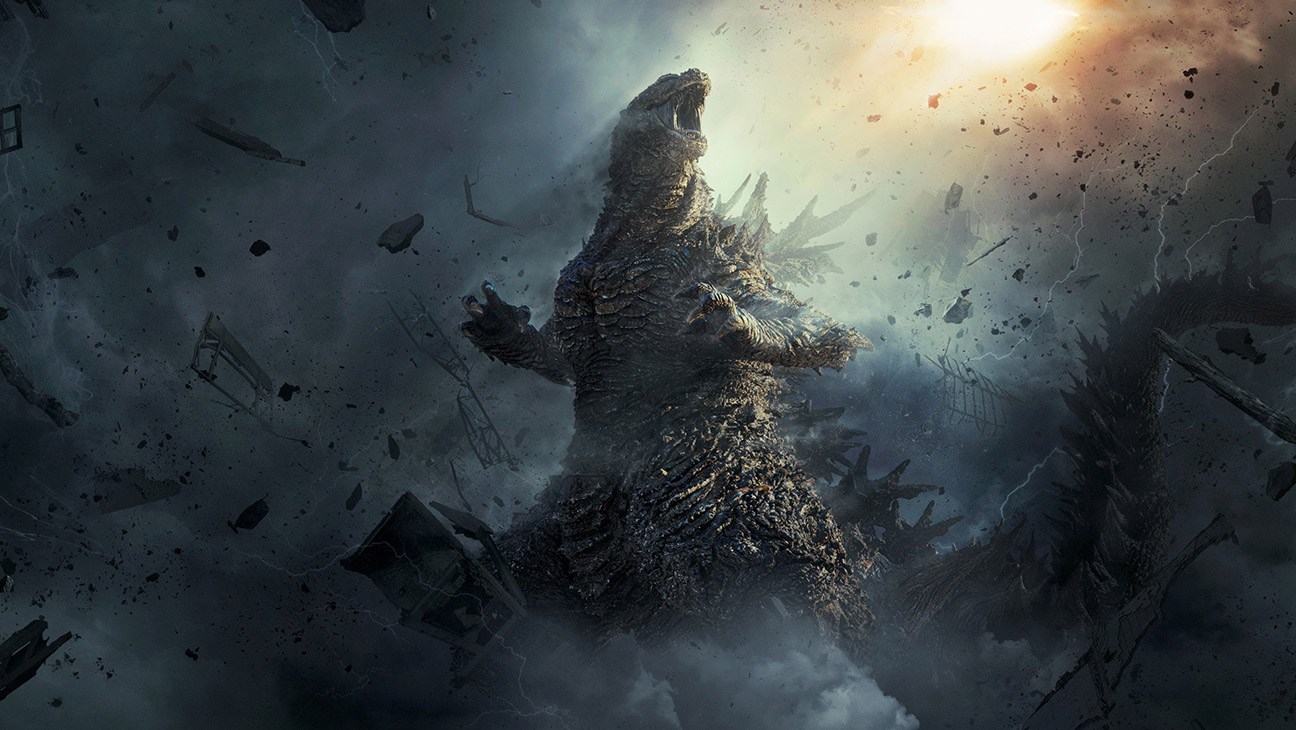
When the colossal roar of Godzilla echoed across the skies above Tokyo, the city held its breath on November 3, 2024, as the sequel to the Oscar‑winning “Godzilla Minus One” crashed into Japanese theaters. Three days later, the film roars into North America, captivating audiences in the United States, Canada, and beyond on November 6.
The announcement stunned cinema lovers and critics alike, igniting a wave of speculation about what new monstrosities and megatrends will surface in this highly anticipated follow‑up. The buzz is not just about a film release; it’s about the evolving relationship between cinema, spectacle, and a franchise that has rattled global imaginations for decades.
Behind the roaring headlines lies a complex tapestry of production choices, strategic release windows, and a cinematic universe that has grown ever richer. The Japanese premiere, strategically timed for early November, positions “Godzilla Minus Zero” to capture the seasonal wave of holiday moviegoers while aligning with the Tokyo International Film Festival’s schedule. Across the Pacific, the North American debut leverages the late‑fall period, when theaters welcome blockbusters that compete for attention before the holiday rush intensifies.
Background & Context
The original “Godzilla Minus One” set a new benchmark for monster movies, blending high‑stakes storytelling with meticulous creature design and a narrative that wove cultural history into a post‑war thriller. Its critical acclaim—garnering an Academy Award for Best Visual Effects—reinforced the franchise’s standing as a barometer of modern filmmaking prowess.
“Godzilla Minus Zero” is directed by the same visionary filmmaker who shepherded the previous installment, ensuring continuity in tone and aesthetic. The film’s title itself hints at a deeper thematic pivot: the “minus” series implies a journey away from conventional monster narratives toward introspective exploration of humanity’s relationship with its creations. In practical terms, the production team has reportedly shifted to a hybrid model of practical effects and advanced CGI, allowing for a more grounded, visceral portrayal of the titanic antagonist.
Historically, Toho’s releases of Godzilla films in Japan have been timed to maximize domestic interest, often aligning with major festivals or holidays. The November 3 date follows a similar pattern: it follows the autumnal season of festivals like the Fuji Rock Festival, a period when audiences seek immersive entertainment experiences. By launching in the United States on November 6, the studio takes advantage of the late‑fall film season, a time when moviegoers are eager for new releases and the market is less saturated with summer blockbusters.
The strategic release dates also reflect broader industry trends. In the age of streaming, theatrical releases must offer a spectacle that cannot be replicated at home. The “Godzilla” franchise has always been a masterclass in that arena, and “Minus Zero” continues that legacy by providing a visual feast that demands the communal experience of a cinema.
What People Are Saying
Social media erupted immediately upon the announcement, with fans debating everything from the plausibility of Godzilla’s new powers to the implications of its return on a global scale. Twitter threads quickly formed around the question: “What if Godzilla finally breaks the earth’s crust for good?” While some viewers expressed anxiety about potential environmental narratives, others celebrated the franchise’s ability to tackle complex themes while still delivering explosive entertainment.
In the United Kingdom, a prominent film blogger posted an enthusiastic review: “If the previous film taught us anything, it’s that Godzilla’s heart beats in rhythm with humanity’s pulse.” The article emphasized the character’s transformation from a mindless force of nature into a symbolic embodiment of humanity’s technological anxieties. This sentiment echoes the broader conversation among cinephiles who view each new entry as a mirror reflecting contemporary fears.
Industry insiders also weighed in. A leading film critic noted that the “Minus Zero” series is poised to become a benchmark for future monster movies: “The blend of practical rigs and digital finesse sets a new standard for how we portray titanic threats on screen.” Meanwhile, a veteran special effects artist shared that the team used a new high‑resolution sensor to capture the nuanced surface of Godzilla’s scaled skin, a detail that enhances the creature’s realism in ways audiences have never seen.
Critics also highlighted the film’s potential crossover appeal. A review on a popular entertainment platform mentioned the inclusion of cameo appearances from other iconic monsters in the Toho universe, sparking speculation about a looming cinematic crossover event. The possibility of a shared monster universe could revolutionize how franchises intersect, echoing similar movements in other Hollywood blockbusters.
The audience’s reaction is already palpable. Ticket sales in Japan for the first weekend have surpassed expectations, with theaters reporting sold‑out screenings across major cities. Across the Atlantic, pre‑sale numbers are soaring, as moviegoers scramble to secure seats for a film that promises to redefine the monster genre.
What Happens Next
With the release windows firmly set, the next phase for “Godzilla Minus Zero” is a robust marketing campaign that spans physical billboards in Times Square and immersive online experiences. The studio is collaborating with a leading augmented reality platform to give fans a taste of the monster’s roar through a downloadable app, allowing users to feel the tremor in their own homes.
The film’s distribution strategy includes a simultaneous theatrical and premium video‑on‑home release in select markets. By offering a high‑quality home viewing option on the day of theatrical debut, the studio is tapping into the hybrid consumption model that has become increasingly prevalent. This approach not only maximizes revenue streams but also broadens the film’s reach to audiences who prefer the comfort of their living rooms.
Beyond the box office, “Godzilla Minus Zero” is expected to spur a flurry of merchandise and spin‑off projects. Rumors suggest that a line of collectible figurines and a limited‑edition soundtrack featuring a score that blends orchestral grandeur with industrial tones are already in development. The soundtrack, scored by an award‑winning composer known for his work on science‑fiction epics, will likely become a staple for fans who want to relive the cinematic experience outside the theater.
The studio is also reportedly exploring international co‑production deals, potentially involving partners from South Korea and India. Such collaborations could infuse the film with diverse cultural perspectives, further expanding its global resonance. In addition, a behind‑the‑scenes documentary series is rumored to be in the works, promising fans an intimate look at the painstaking process that brings Godzilla to life.
Finally, the film’s performance could have ripple effects across the broader monster movie landscape. A strong opening would validate the continued investment in high‑budget special effects and the viability of long‑running franchises in the modern market. Conversely, a lukewarm reception might prompt studios to re‑evaluate their strategies for blending nostalgia with innovation.
As “Godzilla Minus Zero” steps onto the world stage, it carries with it the weight of a legacy and the promise of new horizons. The roar that once startled Tokyo’s skyline now echoes in theaters across continents, inviting audiences to witness a titan that is both familiar and eerily unpredictable. The future of monster cinema hangs in the balance, and the world is watching.
Read more celebrity news at MyWorldPulse.