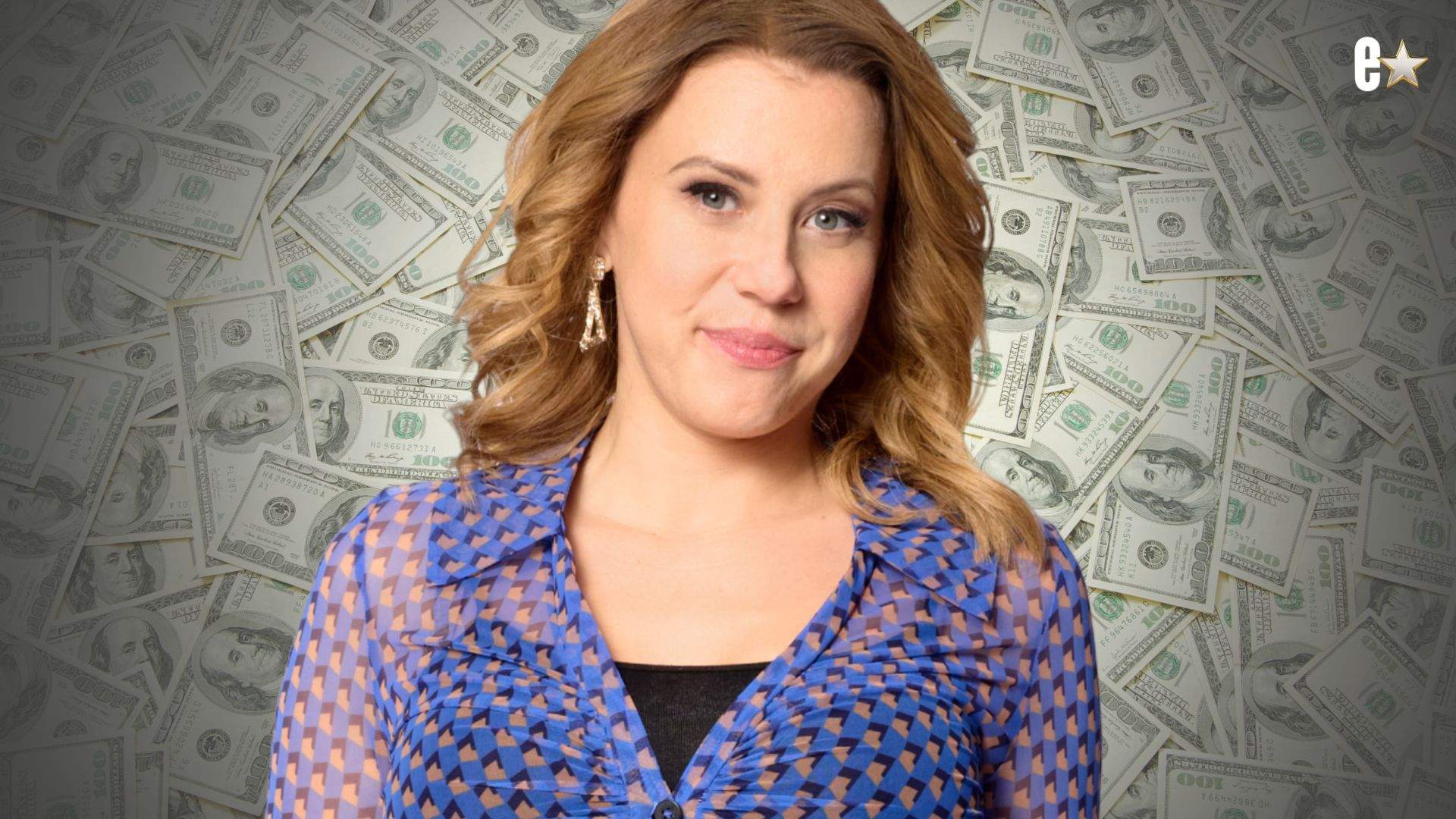
Three weeks after her first day on set, the 44‑year‑old found herself staring at a bank account that held just $190, a number that seemed small on paper but felt like a life‑changing obstacle to a former child star returning to the spotlight.
The revelation came on the “We’re Still Here, Babe” podcast, where Sweetin, now a seasoned actress, opened up about the invisible financial thread that tugged her through the gap between her past and present. She described the moment when her first paycheck hit her account, and the stark realization that she was left with less than a few hundred dollars to cover living expenses while the rest of her life, both personal and professional, waited for its next breath.
Her story, told with a quiet honesty that cut straight to the heart of Hollywood’s often unseen reality, shows that even the bright lights of a network revival can dim when the bank balance runs low. The drama of a $190 account is a stark reminder that the path to reinvention can be paved with more than just talent and fame.
Background & Context
Sweetin’s journey to the screen began in the late 1980s, when she played the sweet‑spoken Stephanie Tanner on the iconic family sitcom that became a cultural touchstone. By the time the show wrapped, she was a woman with a family, a career that had drifted away from acting, and a battle with substance abuse that she would eventually overcome in 2011. After stepping away from the glare of the cameras, she accepted a position at a Los Angeles addiction treatment center. The role had her coordinating operations, logistics, and scheduling—an anchor of stability that paid a modest $2,200 a month.
Living in a cramped apartment with her two daughters, Sweetin’s finances were tight from the outset. Her parents contributed half the rent, but that still left a thin margin between expenses and income. She was forced to keep an older vehicle that a family friend lent her, and even simple grocery runs and shopping trips at Target were sometimes halted mid‑checkout when her debit card did not have enough funds. The experience of having to return items because she couldn’t pay for them carved a deep sense of humility and perseverance that would later inform her return to acting.
When news of the “Fuller House” revival reached her, Sweetin attended meetings alongside former co‑stars and the show’s creator, juggling the demands of her day job and a future that promised to be both lucrative and nostalgic. Despite the excitement, the financial reality of the entertainment industry still loomed: there was a significant lag between filming and payment. In the week she first began shooting, Sweetin had to borrow money to cover basic expenses. It was only when her first paycheck finally landed that she looked at her bank balance—just $190—an amount that felt like a symbolic bridge between past struggles and the bright promise of the screen.
What People Are Saying
Listeners on the podcast found Sweetin’s candidness both surprising and deeply moving. Comments poured in from fans who shared stories of their own financial hardships and applauded the actress for laying bare a reality that many assume behind the curtain is effortless. The conversation quickly shifted from sympathy to admiration, with many praising her resilience and noting that her experience is proof of the fact that success often requires a steady, sometimes invisible, financial backbone.
Former castmates and colleagues have also chimed in. While many of them remembered the camaraderie of the original series, few were aware of the silent struggle Sweetin faced in the years between. In private discussions, they acknowledged how her return added a new layer of depth to the reunion, knowing she had navigated both personal and professional storms before stepping back onto the familiar set. The reunion, therefore, was not only a celebration of a beloved show but also a poignant moment of shared triumph over adversity.
The dialogue that unfolded on social media and in the comments sections underscored a larger cultural conversation: that the public often fails to see the practical hardships behind a star’s reinvention. Sweetin’s story has prompted a wave of reflections on the economic realities of the entertainment world, especially for those who start their careers as children and later must find new footing as adults.
What Happens Next
Sweetin’s journey does not end with the revelation of a humble bank balance. After “Fuller House” concluded in 2020, she has turned her focus toward new creative ventures, including appearances in independent films and television pilots that explore adult themes with the same warmth she brought to her teenage role. She has also begun to lend her voice to projects that support addiction recovery and mental health, drawing from her personal experiences and her time at the treatment center.
In recent months, she has expressed interest in producing short stories for young adults, using her platform to advocate for mental health awareness and financial literacy. Her own narrative—a trajectory from child star to sober adult and back to the screen—offers a powerful template for those navigating the turbulent waters of career reinvention.
The future appears bright for Sweetin, who now has a firmer financial foundation thanks to the steady income from her recent projects and a deeper understanding of the cost of stability. She continues to balance her acting career with her roles as a mother, mentor, and advocate, ensuring that her life off the set is as rich and purposeful as the one on it.
In the end, Jodie Sweetin’s story is not just about a $190 bank balance; it is about resilience, the quiet battles behind public success, and the enduring power of a person to rise again after every setback.
The Bottom Line
MyWorldPulse believes that Jodie Sweetin’s candid disclosure is a wake‑up call for Hollywood’s payment practices. The industry’s tendency to promise lucrative, but delayed, compensation must be balanced with clear, timely contracts that safeguard actors’ financial well‑being. When performers, especially those who began as children, are forced to borrow money or cut back on basic needs, the profession’s image of effortless success crumbles. We must champion transparent financial arrangements and advocate for industry‑wide standards that ensure artists receive prompt, fair remuneration. Such reforms not only protect individual actors but also enrich the creative ecosystem by allowing talent to focus on their craft without the distraction of economic uncertainty. In an era where authenticity resonates with audiences, addressing these hidden financial gaps will strengthen the industry’s integrity and demonstrate a genuine commitment to the welfare of its artists.
Reference:
- Official post on the person's verified social media account
Read more celebrity news at MyWorldPulse.