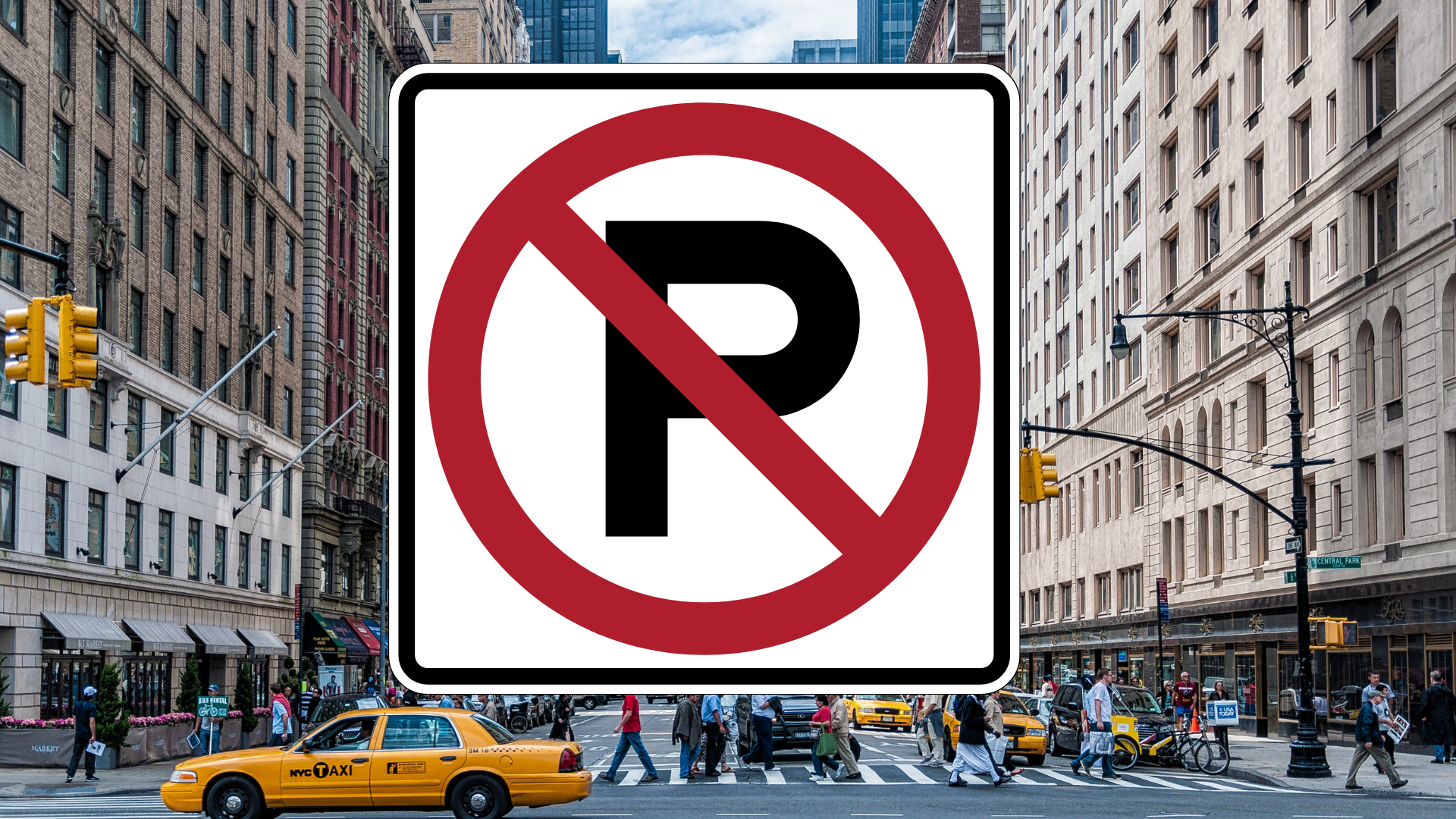
The 63‑year‑old former “Real Housewives of New York City” star found herself at the center of a city‑wide parking saga that rattles the way media, public perception and personal branding intertwine. When New York Post’s cover declared her the “biggest parking menace” in the city, the story spread faster than the traffic cones that once clattered on her red Jeep Cherokee. For the entertainment world, it underscores how a single misstep—whether in a car’s license or in a social media post—can spin into a full‑blown narrative that tests the resilience of a celebrity’s public image and the strategies of the PR teams that guard it.
Background & Context
Carole Radziwill first stepped into the spotlight in 2012 as a main cast member on Bravo’s “Real Housewives of New York City.” Over six seasons she evolved from a budding socialite to a recognizable name in reality television, known for her sharp wit and polished persona. The city, however, turned its gaze toward her on October 15 when New York Post released a deep‑dive feature alleging she had accumulated 83 parking violations in four years, amassing roughly $8,000 in fines since 2020. The article highlighted a series of specific infractions: an expired FDNY union placard on her SoHo apartment car, the use of orange ConEd traffic cones—usually reserved for road crews—and the notorious red 1998 Jeep Cherokee that Town & Country later spotlighted as the “offending vehicle.” The post suggested that a daily $800 garage could have saved her the bulk of the fines, which would otherwise have reached an eye‑watering $57,600.
The narrative took a turn when Radziwill herself responded on Instagram the very next day. With a playful selfie beside the Post’s cover, she teased that the story was a “fever dream” and declared that she loved the traffic cops and her city. Her caption added a tongue‑in‑cheek boast that she had only overslept 17 times in six years and that she deserved a key to the city. She also assured fans her tickets were paid and that she stood with the Department of Sanitation. The post immediately sparked a flurry of reactions—some fans cheered her candidness, while others suggested framing the cover for a clubhouse display. Even Andy Cohen, the former Bravo host, joined the fun by sharing a video of him at a newsstand, laughing that “Radzi’s parking is the most important thing in New York City.” These moments illustrate how a misstep can be transformed into an opportunity for humor and relatability, a delicate dance that entertainment professionals are increasingly practicing.
What People Are Saying
The social‑media response was electric. One comment read, “God I love u,” while another urged the cover be framed for the “clubhouse,” revealing a mix of adoration and jest. The backlash was almost as strong as the support: some followers accused her of being a “parking menace” and suggested her antics were a new form of entertainment. Yet many praised her transparency, viewing the incident as a humanizing glitch that made the star more relatable. Her own clarification that the tickets were paid off softened potential damage, turning a potential PR crisis into a talking point for brand resilience.
Industry observers noted that the incident underscores the blurred lines between reality television personas and real‑world accountability. In an era where fans expect authenticity, a celebrity’s misstep can become a narrative arc that feeds their brand, but it can also backfire if not managed with care. The conversation also touches on the broader question of how local media coverage of celebrity mishaps affects public perception. The Post’s feature, while sensational in tone, prompted viewers to consider how city life and celebrity status collide: a real estate‑driven urban environment, where even a simple parking violation can ripple across a star’s image.
Meanwhile, some industry voices highlighted the logistical side of the story. A New York lawyer who specializes in municipal traffic law pointed out that the $8,000 figure, while hefty, was relatively modest compared to the estimated cost of a 24‑hour garage for a single vehicle in Manhattan’s high‑cost parking markets. He added that the cost of a single parking violation can be a strategic decision for a high‑profile individual: whether to contest a ticket or pay and move on. In Radziwill’s case, the decision to pay and then publicly address the issue in a humorous light turned a potential liability into a conversation starter, illustrating a nuanced approach to risk management in the entertainment business.
What Happens Next
Radziwill’s public handling of the situation will likely inform future brand strategies for herself and other reality‑TV alumni. Her Town & Country essay, titled “Why I Still Drive in NYC,” is slated for publication later this year. In it, she plans to explain the personal and logistical reasons behind her continued presence in the city, despite the parking costs. This narrative could position her as a relatable figure who balances the demands of urban living with the obligations of fame, offering a template for how to turn a public misstep into a platform for authenticity.
For the broader entertainment industry, the episode signals a shift toward more proactive, humor‑led crisis management. Production companies and PR teams may now be more inclined to pre‑emptively disclose or contextualize real‑world inconveniences, transforming potential scandals into content that engages audiences. The reaction of fans—half cheering, half mocking—underscores the volatility of online sentiment and the necessity for timely, genuine responses.
Moreover, the incident invites a conversation about how reality‑TV stars navigate the intersection of city life and fame. The fact that a traffic violation can become a headline demonstrates how everyday actions can have outsized consequences when a star’s name is involved. Consequently, talent agencies may review their client’s living arrangements, parking logistics, and city‑based lifestyles to preclude similar scenarios. On the regulatory side, city officials might also use the case as a catalyst to review and possibly tighten parking enforcement around high‑profile residences, balancing public policy with celebrity privilege.
In the weeks to come, as Radziwill’s essay drops and the public continues to weigh in, we may see the full ripple effect of this parking saga. Whether it becomes a cautionary tale or a blueprint for savvy brand reinvention, it already signals that the world of celebrity is increasingly defined not just by the roles they play on screen, but by the mundane moments they share off camera.
With the city’s traffic lights humming and her red Jeep still parked on the curb, Carole Radziwill has turned a parking mistake into a story about resilience, authenticity, and the intricate dance between fame and everyday life. The industry watches, learns, and prepares for the next time a star’s mundane misstep becomes headline material.
The Bottom Line
The Carole Radziwill parking saga is a masterclass in modern PR—turning a $8,000 liability into a viral narrative that boosts relatability without eroding credibility. By laughing off the post, flaunting her paid fines, and calling traffic cops her friends, Radziwill demonstrated that celebrities can own missteps and still shine. This tactic satisfies an audience hungry for genuine, behind‑the‑glitz moments while preserving the star’s marketability. For the industry, the lesson is clear: crises can become content if handled with authenticity and humor. Talent agencies and production companies must now anticipate everyday mishaps and craft quick, candid responses that humanize clients. Media outlets, too, need to balance sensationalism with responsibility, recognizing that headlines can ripple beyond the page into the heart of a brand. In short, this episode is a blueprint for turning public missteps into brand‑strengthening stories—provided the response is swift, sincere, and socially savvy. —The MyWorldPulse Team
Reference:
- Carole Radziwill’s Instagram post about the parking saga
Read more celebrity news at MyWorldPulse.