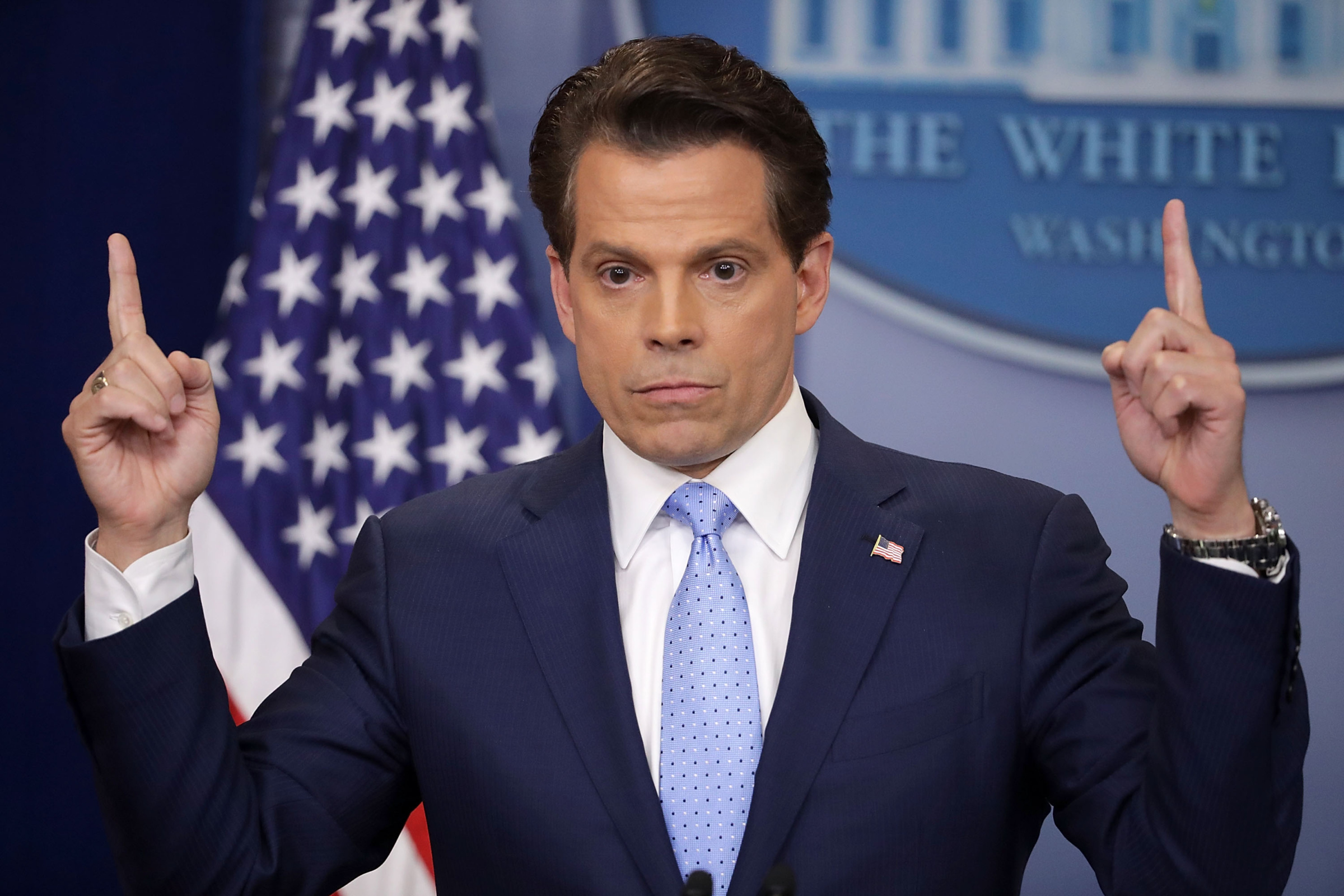
The new press secretary for President Trump—Katie Zacharia—has been ousted after a week in office, a fallout that traces back to a missing bar‑exam credential and a cascade of revelations that rattled the administration’s credibility.
A former law graduate who had previously commented as a “legal analyst” on Fox News and Newsmax, Zacharia was appointed White House Press Secretary on October 9. Within 24 hours of her confirmation, questions began to surface. She had never passed the U.S. bar exam, a fact that became public when a watchdog group, the Campaign for Accountability, lodged a formal complaint with the State Bar of California. The complaint alleged that Zacharia had repeatedly presented herself as an attorney on television and in public statements—a claim that, according to the group, was false. When reporters pressed her on the matter, she responded with the bewildering line, “When I moved to China,” before adding that she had “misheard” the question.
In a brief tweet on X, former Trump communications director Anthony Scaramucci weighed in, writing, “Records are made to be broken. But I take no pleasure in other people’s pain.” Scaramucci, whose own tenure as Trump’s communications director lasted a mere ten days in 2017, seemed to use his own experience as a backdrop for the scandal that now eclipsed his brief stint. The White House’s swift action—terminating Zacharia’s employment less than a week after her appointment—underscores the administration’s sensitivity to the optics of its public face, even if the decision was made under a cloud of internal uncertainty.
Background & Context
Katie Zacharia’s rise to the White House spotlight was fueled in part by her public persona as a legal commentator. With a law degree in hand, she appeared on conservative cable networks, offering opinions on judicial matters and policy. However, possessing a law degree does not confer the status of an attorney. The bar exam is a prerequisite for practicing law in the United States, and failing to pass that exam means one cannot legally represent clients or claim to be a licensed lawyer. In Zacharia’s case, the distinction proved critical.
The Campaign for Accountability, a nonprofit watchdog that scrutinizes the integrity of public officials, filed a complaint with the California State Bar. The complaint cited multiple instances where Zacharia had introduced herself as an attorney on Fox News and Newsmax, and highlighted the president’s own remarks, in which he referred to her as an “attorney.” By raising questions about her credentials, the watchdog group sought to trigger a formal investigation, emphasizing that misrepresenting one’s professional qualifications violates ethical standards and undermines public trust.
The timing of the controversy is noteworthy. President Trump’s administration has already experienced a flurry of brief tenures—most famously Anthony Scaramucci’s 10‑day stint as communications director—creating a narrative that the presidency is prone to short‑lived appointments. Zacharia’s week‑long tenure now tops that list, making the incident a focal point for discussions about hiring practices and vetting protocols within the White House.
What People Are Saying
Reactions to Zacharia’s dismissal have been swift and varied across the political spectrum. On the conservative side, some commentators expressed frustration that the administration had “overreacted,” arguing that the White House had a duty to investigate thoroughly before making a decision. They noted that other officials with questionable credentials had served in roles that did not require licensing. These voices urged a more nuanced approach, suggesting that Zacharia’s legal knowledge could still benefit the administration, even if she was not formally licensed.
In contrast, many liberal outlets and watchdog groups praised the swift action, framing it as a necessary step to restore credibility to the White House’s communication team. The Campaign for Accountability released a statement lauding the administration’s decision to terminate Zacharia, labeling it “the right move to ensure accountability.” Some critics went further, labeling the situation a “credibility crisis” for a president who had already been embroiled in controversies over his staff’s conduct and statements.
Amid the debate, a surge of social media posts highlighted the irony of a former Trump ally’s abrupt exit. Users quoted Scaramucci’s remark about breaking records, linking it to his own fleeting tenure, and speculating whether the administration would face further turnover. The narrative also resurfaced the broader question: How far should the White House go in vetting staff who bring a public persona but lack formal qualifications for certain roles?
What Happens Next
Following the termination, the White House’s communications office is expected to announce a successor soon. The Department of Justice has not yet released any statements regarding the investigation initiated by the California State Bar, leaving the details of potential disciplinary action on Zacharia’s credentials to remain under wraps. Meanwhile, the campaign for accountability continues to push for a full inquiry into whether Zacharia’s claims had misled the public and the administration.
The resignation of Zacharia also opens the door for a broader review of hiring practices within the White House. Past administrations have occasionally appointed individuals whose primary experience lies outside the legal field, yet the Trump team’s revolving door of short‑lived officials has amplified scrutiny. It is likely that the White House will implement stricter vetting protocols, especially for roles that involve public communication and policy advocacy.
For the incoming press secretary, the pressure will be immense. The role demands both a deep understanding of policy and a capacity to navigate the volatile media landscape—skills that the public now expects to be backed by verifiable credentials. The new appointment will be judged not only on its performance but also on the integrity of the selection process that led to it.
In the weeks ahead, the White House will need to balance restoring trust with maintaining the speed and agility that are hallmarks of modern political communication. Whether the administration’s next move will satisfy critics or fuel further debate remains to be seen.
The fallout from Katie Zacharia’s brief tenure is a reminder that, in the high‑stakes arena of national politics, the smallest oversight can lead to a rapid unraveling of public confidence. As the administration recalibrates its staffing strategy, all eyes will be on how the next press secretary’s credentials and record will shape the narrative moving forward.
The Bottom Line
At MyWorldPulse.com we see Katie Zacharia’s abrupt exit as a stark reminder that in politics, appearances can cost credibility. The Trump administration’s decision to terminate her swiftly was a necessary corrective, but it also exposed a pattern of hasty appointments that put public trust at risk. Moving forward, a rigorous vetting process—particularly for roles demanding legal acumen—must become standard. The incident should spark a broader industry conversation about balancing media personality with authentic expertise. As voters become increasingly skeptical of unqualified spokespeople, administrations that prioritize credentialed, transparent hires will not only preserve credibility but also better serve an informed electorate. We call on all political operatives to adopt this new standard, ensuring that the voice of the White House is as trustworthy as it is powerful.
Reference:
- Official tweet by Katie Zacharia on X
Read more celebrity news at MyWorldPulse.