A sprinter who once raced against the clock now faces the rhythm of a live studio floor, and the world watches as Ezra Frech, a double‑leg amputee and Olympic hopeful, takes his first steps into the dazzling world of ballroom dance.
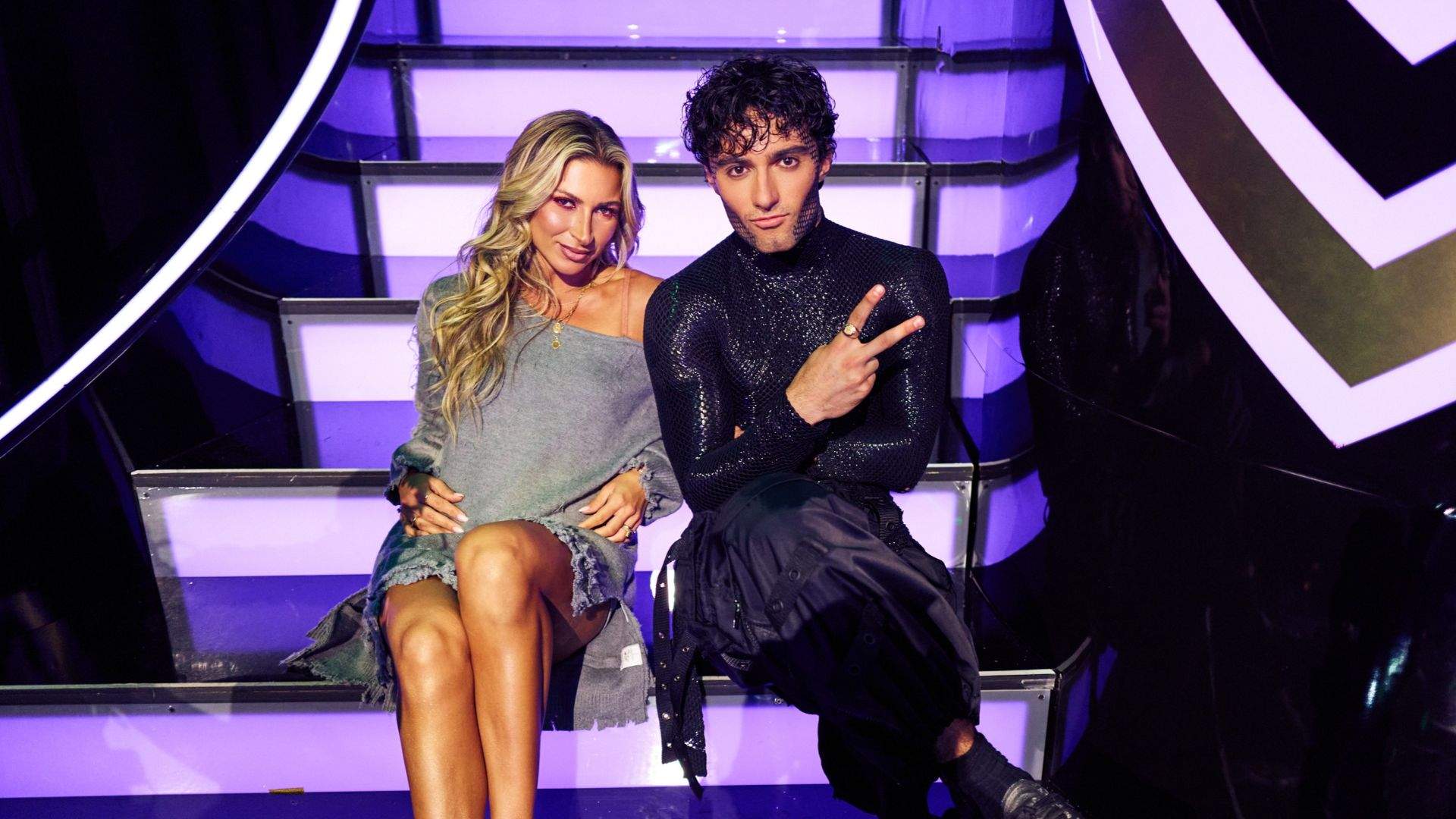
Frech, whose athletic background has earned him a place on the U.S. track and field team, is paired with professional dancer Daniella Karagach. Together they’ve turned the studio into a stage that’s as emotionally charged as any championship race. Fans have been glued to the televised battles, and the stakes feel heavier for Ezra—an athlete already accustomed to pushing boundaries—because this season may make him the first amputee to lift the coveted trophy. The implications stretch beyond a single episode; they touch on representation, perception, and the relentless drive of a competitor who has long dreamed of turning a different kind of spotlight on herself.
Background & Context
The allure of “Dancing With the Stars” has always been its blend of high‑profile celebrities and raw, often unexpected talent. For an Olympian who has spent years training for a medal, the transition to dance seemed like a leap, but one that landed at a perfect time. In the months following the end of his track season, Ezra found himself with an off‑season stretch that mirrored the schedule of the 35th season of the show. “It felt like the perfect timing,” he explained, noting that the overlap made the decision almost inevitable. His long‑standing admiration for the program added a layer of personal history—he grew up watching the dancers and the way the show celebrated athletes with disabilities such as Amy Purdy, Daniel Durant, and Noah Galloway. Seeing people like them succeed on mainstream television had always been a quiet motivation in his own journey, a feeling that this year could finally materialize into a tangible dream.
Ezra’s entrance into the ballroom was not merely a career pivot; it was a statement. With each rehearsal, he and Karagach pushed the limits of what’s considered possible in choreography, turning a studio set into a laboratory for resilience and artistry. While the competition is rooted in entertainment, its impact on viewers with disabilities can be transformative. By stepping onto the floor, Ezra not only showcases his athleticism but also his capacity to redefine how audiences perceive mobility, strength, and performance. The narrative has evolved from “an athlete trying something new” to “a symbol of inclusive excellence” as the season progresses.
What People Are Saying
The buzz around the show is amplified by the candid comments of its own panel. Among the judges, Derek Hough expressed admiration that resonated with the audience, declaring Ezra “extraordinary” and predicting he could reach the finale. Hough’s appraisal—“I’m not even going to mention his prosthetic or anything like that because I don’t even need to”—suggests that the focus is on the artistry rather than the disability. This shift in perspective echoes the broader conversation about representation: celebrating the talent and dedication that go beyond physical differences.
Fans on social media have rallied in support, with hashtags such as #EzraFrech and #DWTS bringing together a diverse crowd. Comments range from excitement about the upcoming dances to deeper reflections on how Ezra’s presence challenges conventional notions of who can dominate the ballroom floor. For some, the prospect of seeing a new champion is thrilling; for others, it’s an opportunity to witness a historic moment that could inspire countless others. The conversation underscores the evolving role of mainstream television as a platform for social change, where an athlete’s story can spark discussions far beyond the glittering stage.
Behind the scenes, coaches and choreographers note the dedication Ezra brings. His rigorous training schedule, honed for track and field, has translated into disciplined rehearsal habits. While the physical demands of dance differ, his mental resilience and strategic thinking remain assets. Observers have highlighted how the partnership with Karagach has blossomed, turning routine rehearsals into moments of shared triumph. As the weeks tick down to the finale, the narrative is increasingly about perseverance and the universal language of movement.
What Happens Next
The path forward is as competitive as it is inspiring. The next rounds will test not only the technical prowess of the couples but also their ability to connect with audiences—a factor that often decides who moves forward in the voting. Ezra and Karagach have already begun to experiment with styles that showcase his agility and rhythm, from cha‑cha to contemporary, weaving storytelling into each routine. Their strategy, while still unfolding, hints at a focus on emotional resonance—an approach that has proven effective for many contestants in the past.
As the season advances, the stakes will sharpen. Judges’ critiques, coupled with audience votes, will gradually narrow the field. With Derek Hough’s confidence in Ezra’s potential and the growing fan base, the possibility of a historic finale looms. If Ezra secures that spot, he would become the first amputee to claim the title, setting a precedent that could open doors for future competitors with disabilities. Even if the journey ends before the final, the experience itself holds significant weight, proving that talent and determination can transcend physical limitations.
The narrative will also influence future casting decisions for the show. Producers may consider Ezra’s impact when selecting contestants, recognizing that diverse representation enriches the program’s appeal and relevance. Beyond the realm of dance, his story could ripple into athletic communities, encouraging a broader dialogue about inclusion in sports and entertainment alike.
Ezra’s next step is clear: keep dancing, keep inspiring, and keep proving that the human spirit can beat any obstacle—whether it’s a finish line or a ballroom. As the season unfolds, viewers will watch not just for the applause, but for the quiet, relentless drive that turns a dream into reality.
In the end, whether Ezra takes home the trophy or not, his presence on the floor is a victory in itself, reminding us that true triumphs are measured in courage, representation, and the courage to step into the unknown.
Read more celebrity news at MyWorldPulse.