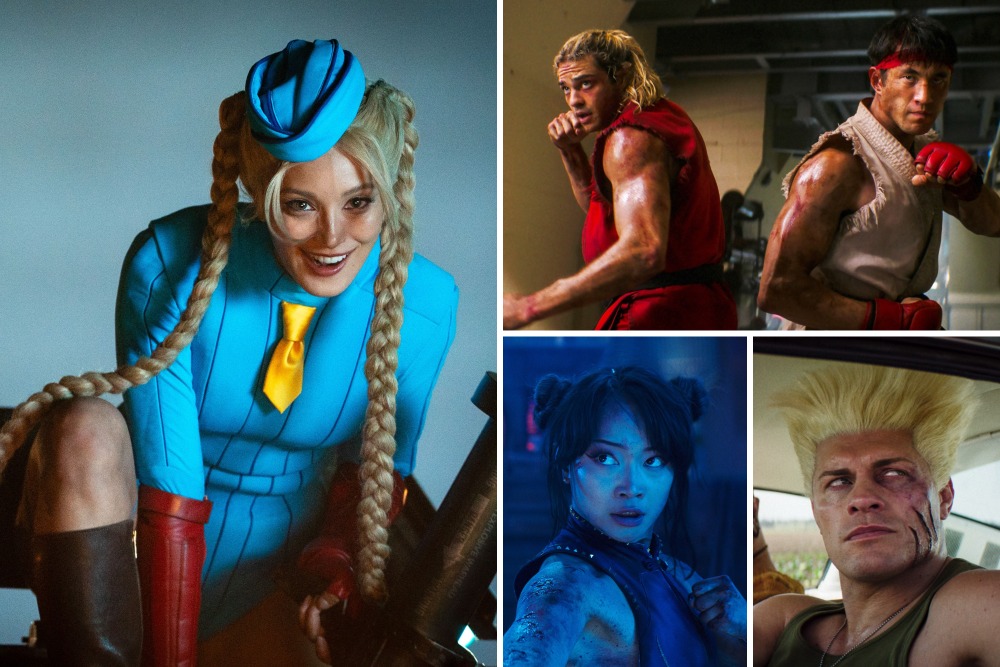
A thunderclap of cheers erupted from moviegoers across the nation as Paramount and Legendary’s long‑awaited live‑action adaptation of the iconic arcade franchise hit theaters on Friday, pulling in $12.5 million on its first day, including previews, and ultimately securing a $30 million debut across 3,575 screens. The figure sits on the lower end of industry predictions but still marks the film as a commercial success, especially considering the crowded summer lineup and the lingering effects of the pandemic on box‑office traffic. With a roster that blends wrestling powerhouses, mixed‑martial‑arts champions, and Hollywood celebrities, the movie promises to deliver the visceral excitement that fans have craved for decades.
The film transports audiences back to the mid‑1990s, a period when video‑game tournaments were a burgeoning subculture and the world of fighting games was poised to explode into mainstream pop culture. Paramount and Legendary chose to ground the story in that era, capturing the gritty neon glow of underground fight clubs and the raucous energy of a worldwide championship that draws competitors from every corner of the globe. At the heart of the narrative is a young fighter who must navigate not only the brutal bouts but also a complex web of personal stakes, rivalries, and a looming global threat that turns the tournament into more than just a game of punches and kicks.
The casting of the film reads like a who’s‑who of contemporary combat sports and entertainment. WWE superstars step into the ring, bringing their signature charisma and larger‑than‑life personas, while UFC champions add an authentic edge that pays homage to the sport’s growing popularity. Celebrities from other realms of showbiz—who may have never stepped foot in a gym—bring a new dimension to the fight scenes, adding a layer of spectacle that blurs the line between athlete and actor. This blend of talent not only draws in diverse audiences but also serves as a living tribute to the way the original game brought disparate cultures together under the banner of competition.
Background & Context
The legacy of Street Fighter traces back to 1987 when Capcom released the game in arcades, and it quickly became a staple of competitive gaming. Its characters, each with unique fighting styles and backstories, captured the imaginations of millions and inspired countless tournaments worldwide. Over the decades, the franchise has spawned sequels, spin‑offs, and a dedicated fanbase that celebrates the combination of skill, strategy, and storytelling. The decision to bring the game to the big screen was a natural evolution, offering a chance to translate its kinetic energy into a visual spectacle while honoring its roots.
In crafting a live‑action version, Paramount and Legendary faced the challenge of staying true to the source material while creating an accessible narrative for new viewers. By anchoring the film in the 1990s, the filmmakers could leverage the era’s aesthetic—neon‑lit arenas, synth‑heavy soundtracks, and a cultural zeitgeist that celebrated individualism and rebellion. The production design reflects this, with meticulously recreated fight venues that mirror the game’s iconic stages. The soundtrack, a fusion of original compositions and period tracks, amplifies the emotional stakes and underscores the tension between the characters.
From a production standpoint, the film’s budget—though not publicly disclosed—has been speculated to be substantial, reflecting the need for high‑end stunt choreography, extensive visual effects, and a star‑studded cast. The combination of real athletes and actors required a unique blend of choreography and training, ensuring that each fight scene feels authentic and engaging. This approach mirrors the immersive experience that the original game offered, translating pixelated moves into tangible, visceral combat.
What People Are Saying
Early audience reactions have been polarized but largely enthusiastic. Fans of the original game are drawn to the film’s attention to detail: iconic moves, signature outfits, and the nostalgic feel of the tournament setting. Many have praised the way the movie captures the frenetic pace of the game while adding depth to the characters, providing a richer narrative than the arcade experience. Social media chatter reflects a shared sense of excitement, with comments highlighting the seamless integration of WWE wrestlers and UFC champions into the storyline.
Critics, meanwhile, have pointed out that the film’s reliance on action over subtle storytelling might leave some viewers wanting more character development. However, the consensus acknowledges that the film serves its primary purpose: to deliver high‑octane combat and a sense of camaraderie among fighters from diverse backgrounds. Comparisons to the 1994 live‑action adaptation, which struggled to resonate with contemporary audiences, underscore the importance of a modern approach that balances nostalgia with fresh perspectives.
Industry insiders note that the film’s box‑office performance, while modest against pre‑pandemic projections, demonstrates resilience in the current market. The $30 million opening, achieved across 3,575 screens, indicates a solid base of fans willing to pay for a communal viewing experience. The timing—mid‑summer, when family traffic is high—played a role in drawing crowds, with many parents bringing children who grew up with the game or its sequels.
What Happens Next
With the film already released, the next week’s performance will be telling. Analysts predict that Saturday and Sunday could provide a boost, especially if the movie continues to capitalize on family audiences and last‑minute ticket buyers. The weekend’s lone MLB playoff game between Tampa Bay and Cleveland could also influence turnout, potentially pulling viewers who might otherwise have chosen a different entertainment option.
As the film settles into its theatrical run, streaming and home‑video platforms will likely become the next frontier. While distribution deals have not yet been announced, the pattern of contemporary releases suggests that the movie could surface on a major streaming service within the next 12 to 18 months. Early rental or purchase options might also appear on digital marketplaces, allowing the film to reach a broader audience beyond the cinema.
From a cultural standpoint, the film’s impact could reverberate across the gaming and fighting‑sports communities. If it successfully galvanizes interest in the original games, we may see a resurgence of online tournaments and esports events featuring Street Fighter titles. Additionally, the cross‑genre casting may open doors for more collaborative projects between athletes and Hollywood, blending real‑world fighting disciplines with cinematic storytelling.
In the coming months, fans can expect a mix of extended cuts, behind‑the‑scenes content, and potential spin‑off projects that delve deeper into the world the film has opened. Whether the franchise will return for sequels or spin‑offs remains uncertain, but the current momentum suggests that the brand is alive and well, continuing to bridge the gap between pixel and flesh.
The summer’s cinematic landscape will keep an eye on how this blend of nostalgia, action, and star power evolves. For now, Street Fighter stands as proof of a beloved franchise’s ability to reinvent itself, delivering a high‑energy experience that keeps audiences on the edge of their seats—and perhaps even prompts a new generation to pick up a controller or a weight belt.
The Bottom Line
MyWorldPulse sees Street Fighter’s theatrical run as a double‑edged sword. On one hand, the $30 million opening underscores the market’s appetite for high‑octane, nostalgia‑laden spectacles—especially when they feature the real athletes who bring credibility to the choreography. On the other, the film’s thin narrative backbone suggests that relying solely on action and star power can leave fans craving deeper character arcs. This mix of triumph and oversight is instructive for studios eyeing similar IPs: invest in robust storytelling to sustain interest beyond the opening weekend, and consider how the crossover between sports stars and screen actors can both enhance authenticity and expand demographic reach. As the summer cinema calendar thins, Street Fighter’s performance will likely influence how future adaptations balance homage with innovation. —MyWorldPulse
Reference:
- John Cena’s Instagram announcement of his role in Street Fighter
- Paramount’s official press release announcing the Street Fighter film
Read more celebrity news at MyWorldPulse.