The world of television and activism seemed to hold its breath on a quiet morning in Texas when the beloved actor and disability rights champion, RJ Mitte, took his own life. The news hit fans, colleagues, and a tight-knit community in Brownsville with a weight that felt heavier than the Texas heat that day. As the town rallied to honor his memory, a tapestry of moments—his on-screen heroics, off‑camera kindness, and quiet personal battles—began to surface, telling a story that extends far beyond the walls of a television set.
At 11 a.m. on the day of his passing, his mother, Dyna Mitte, picked up a lunch box to deliver to a son who often slept until noon. When she found him—still, his silent face a final, painful tableau—her world fractured. She had never imagined that the man she adored, the one who had become a symbol for people with disabilities, might have been drowning in thoughts she could not see. In the weeks that followed, his funeral will be held privately, but a public celebration of life already filled the Mitte Cultural District, inviting the community to weave together the many threads of RJ's life.
The celebration was more than a memorial; it was proof of the generosity that defined RJ beyond his role as Walter White's son on Breaking Bad. Friends and former colleagues poured in to share stories of his warmth, his activism for greater representation in media, and his spontaneous acts of kindness—like the time he stopped at a red‑carpet premiere to help a man roll it back, even as he was a star himself. These anecdotes, collected in hushed confessions and loud cheers, painted a portrait of a man who, despite his cerebral palsy, refused to let his condition define him.
Background & Context
RJ Mitte’s journey into the spotlight began with a small role on a wildly popular television series that turned the small screen into a global conversation. He earned a place in the hearts of millions, not just for his acting chops, but for the authentic representation of a character living with cerebral palsy—a role that was both groundbreaking and personal. After the series ended, he channeled his fame into advocacy, becoming a vocal champion for disability rights in the entertainment industry. He pushed for more nuanced roles and better opportunities for actors with disabilities, and he frequently used his platform to discuss the importance of representation.
Beyond his advocacy, RJ was deeply embedded in the Brownsville community. He supported local arts programs, volunteered at schools, and often spent his free time mentoring young people with disabilities. These local engagements earned him a reputation as a philanthropist and a quiet hero. He would spend evenings at community centers, sharing stories and laughter, and would often be found lending a hand—whether helping a neighbor with groceries or guiding a student through a difficult art project. His genuine care for those around him made him beloved among residents, a feeling that would echo in the words of those who spoke at his celebration of life.
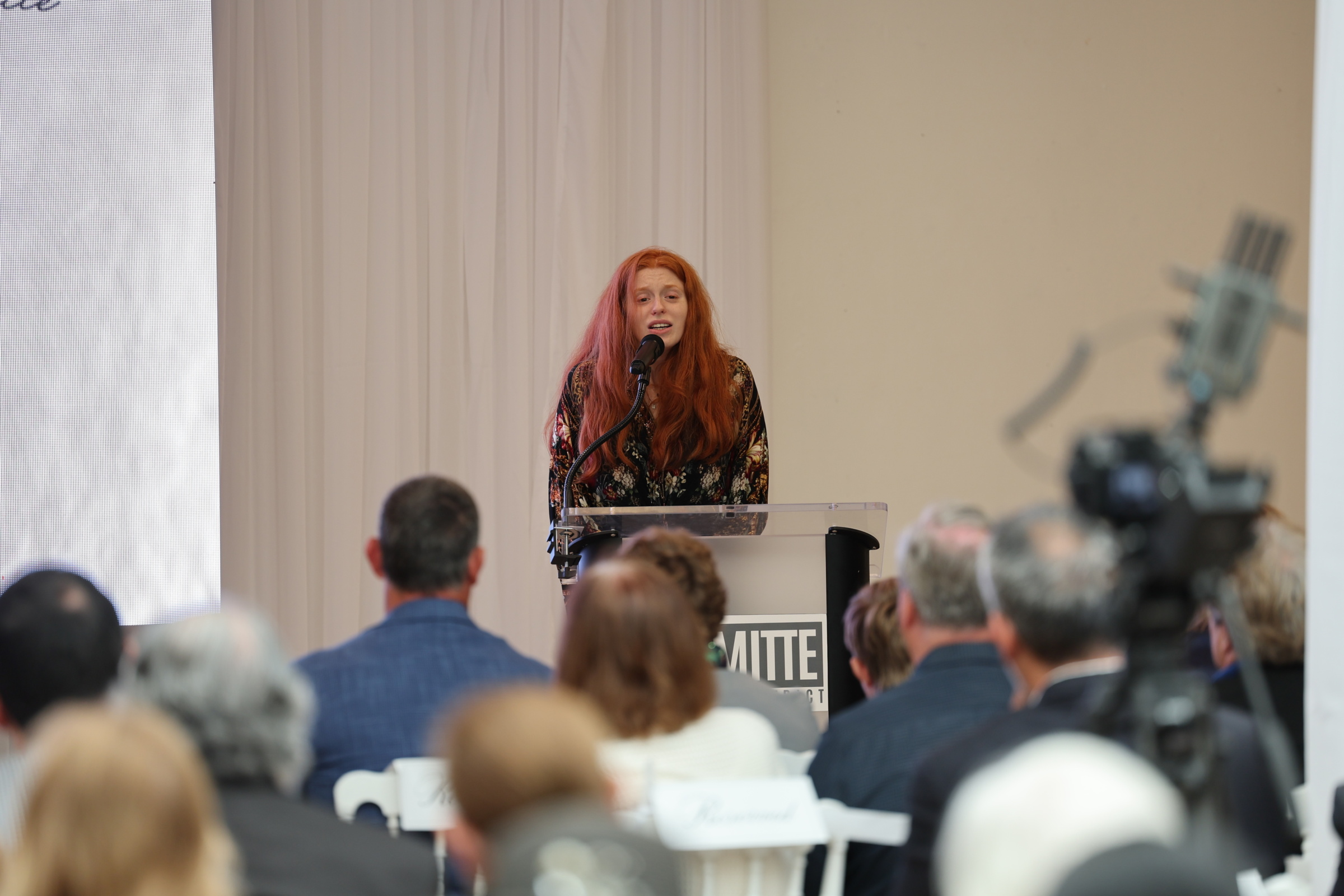
In the days after his death, the city’s cultural district—named after his family—hosted a public ceremony that drew a diverse crowd. The event began with a moment of silence and was followed by readings and personal memories. Notable speakers included M.J. Dougherty, an author who had known RJ for over a decade, and other friends who recounted moments that highlighted his generosity. Dougherty shared a story from a recent movie premiere where RJ, despite being one of the stars, paused to help a man struggling to roll up a red carpet. These recollections painted a man who, even amid fame, prioritized the well‑being of others over personal acclaim.
What People Are Saying
At the heart of the celebration of life, one voice stood out—Dyna Mitte, RJ’s mother, whose grief was palpable yet composed. She recounted the morning he had gone missing: “I called him at 11 a.m., he didn’t answer, so I picked up lunch and went to take it to him, and that’s when I discovered him.” Dyna emphasized that she had never been aware of any mental health struggles RJ might have faced, a fact that left her stunned and heartbroken. She added that she had not found any note, but her son’s silence seemed to speak louder than any letter could. She spoke candidly, urging other families to be vigilant and open, saying, “If me speaking out today might save someone else from going through the same situation, because a mother should never have to find her child this way.”
Friends at the gathering described RJ as “beloved, generous, and compassionate.” One friend recounted how RJ’s kindness extended beyond his circle of acquaintances to anyone he met. Whether it was a fellow actor, a stranger on the street, or a child in a school classroom, RJ’s willingness to help was almost instinctive. The crowd recalled his small, yet meaningful gestures, such as the way he would adjust his wheelchair for a young boy, or the way he would volunteer his time at local theater productions, often taking on roles behind the scenes to ensure the success of each show. These stories emphasized how RJ’s personal experiences shaped his public advocacy, creating a bridge between his life and his activism.
Moreover, the community of Brownsville recognized RJ’s role not just as an entertainer, but as a local hero who fought for visibility and representation. He became a figure of pride in a city where opportunities for people with disabilities were still limited. In his absence, the town expressed a collective sense of loss, but also a renewed commitment to the causes he championed. Local leaders mentioned plans to continue his legacy through grants and scholarships aimed at fostering inclusivity in the arts. These statements underscored the lasting impact of RJ’s activism and the hope that his life's work will inspire others to advocate for a more equitable cultural landscape.
What Happens Next
In the weeks to follow, the family has announced that a private funeral will be arranged at a later date, allowing close relatives to mourn in a more intimate setting. Meanwhile, the celebration of life will likely become an annual event, a community tradition that honors RJ’s spirit and encourages ongoing conversation about disability representation. The city’s cultural district is expected to use the momentum from the memorial to launch initiatives such as an arts fellowship for disabled students, a public speaking series on mental health awareness, and a series of workshops aimed at demystifying the challenges faced by performers with disabilities.
Additionally, Dyna Mitte’s public statement has already sparked a wave of dialogue on mental health within families. She plans to collaborate with local health organizations to host educational seminars, hoping to create a network of support for parents who may not see the early signs of distress in their children. The intent is to turn her personal tragedy into a beacon for others, ensuring that no family has to face the painful realization of a loved one’s silence without knowing how to intervene.
In the realm of entertainment, his peers and the industry at large have pledged to continue advocating for inclusive casting and better access for disabled actors. The production companies that worked with RJ are reportedly revisiting their hiring practices and are set to develop a mentorship program for aspiring actors with disabilities. This initiative aims to replicate the supportive environment that RJ himself cultivated during his career.
The ripples of RJ’s passing will echo in both his personal community and the broader cultural fabric for years to come. While his physical presence may have left this world, his influence endures in the countless lives he touched, in the policies he helped shape, and in the hope he instilled for a more compassionate, inclusive future. The story of a Texas town mourning a son, a city celebrating a local hero, and an industry beginning to listen more closely to those it once overlooked reminds us that the most enduring legacies are built on kindness, advocacy, and the quiet courage to step beyond oneself.
The Bottom Line
At MyWorldPulse.com, we believe that RJ Mitte’s story is not just a heartbreaking narrative but a catalyst for change. The fact that his family’s voice sparked a national conversation about mental health shows the profound influence public figures wield. Yet, the entertainment industry has a responsibility to transform that influence into concrete action. This means investing in robust mental‑health resources for actors, especially those navigating additional challenges like disabilities. It also requires a sustained commitment to inclusive storytelling that goes beyond representation and into authentic, nuanced portrayals. Only by confronting these systemic issues can we honor RJ’s memory in a way that protects future talent and ensures that the industry thrives on empathy, diversity, and resilience. We stand with the Brownsville community, the disability advocacy movement, and every family touched by this loss, urging Hollywood to lead the way in this critical shift.
— MyWorldPulse.com
Reference:
- Official post on RJ Mitte's verified Instagram
Read more celebrity news at MyWorldPulse.