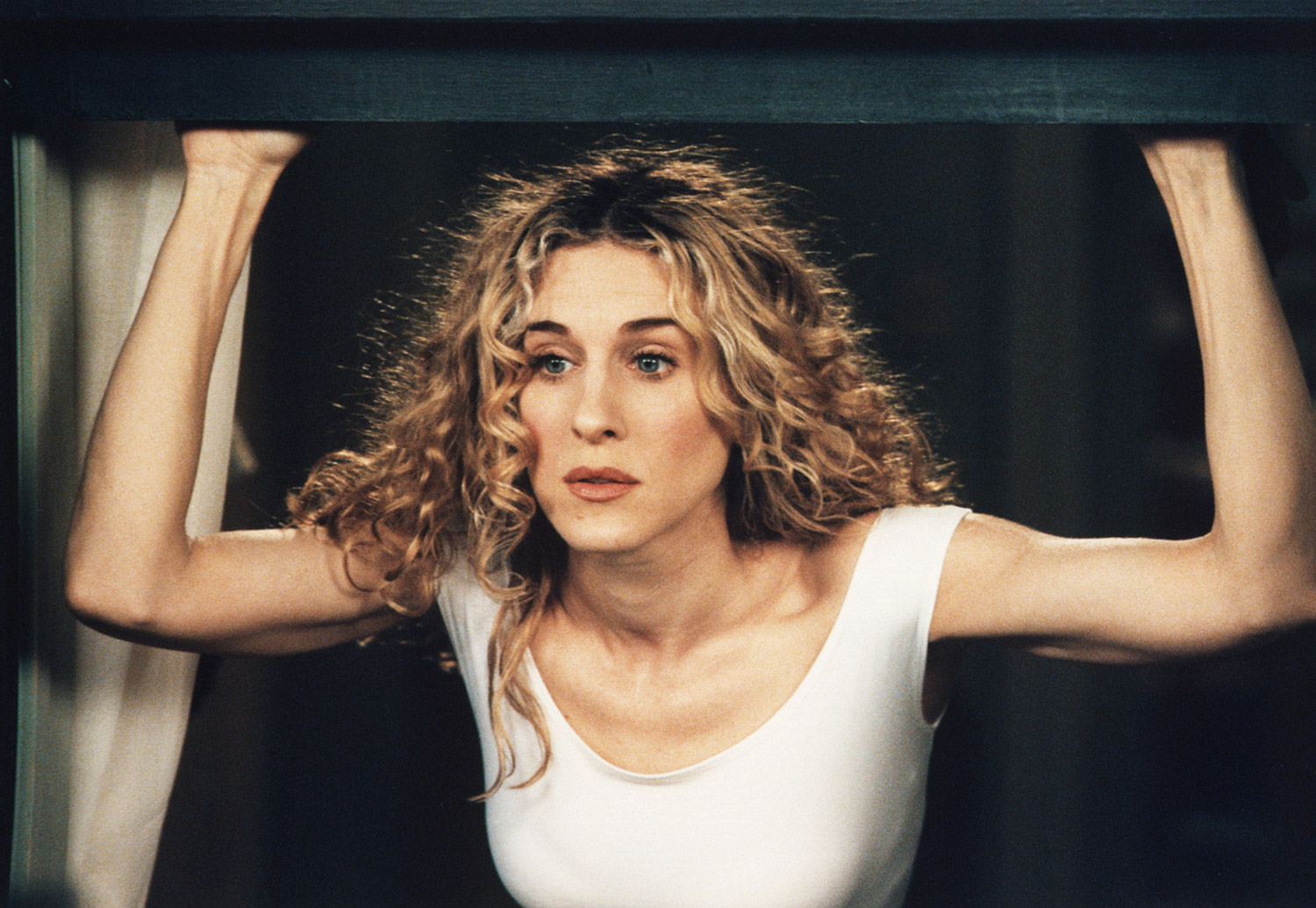
The 61‑year‑old actress has decided that the iconic outfits that once defined her on television will remain behind the scenes, even as the memories of those days continue to echo in the wardrobes of countless fans. In a candid interview, Parker explained that despite owning the original garments from the seven‑season hit that ran from 1998 to 2004, she never puts them on. “There’s a huge separation between myself and Carrie Bradshaw,” she said, hinting at the emotional distance that has grown over the years.
When the show first premiered, it was the very definition of style, turning every episode into a fashion showcase. Even now, decades later, the costumes are still celebrated in museums and pop‑culture retrospectives. But for Parker, the line between character and self has become a clear boundary. While she treasures the history and the impact the wardrobe has had on fashion, the clothes themselves no longer serve as a personal statement. She sees them as relics that belong to a time that is finished, a choice that underscores how the actress now lives outside the world of her most famous role.
In a broader context, Parker’s decision mirrors a trend among former television stars who seek to reclaim their identities after long-running, defining roles. While the public still associates her with the red carpet look of a New York journalist, she has carved a new path in film, stage, and philanthropy. Yet, the legacy of “Sex and the City” remains a crucial chapter in her life—one that she chooses to keep physically separate from her present self.
Background & Context
The cultural phenomenon of Sex and the City stretched beyond its original air time, spawning two feature films and a revival series that revisited the lives of the beloved characters. For Sarah Jessica Parker, the role of Carrie Bradshaw was both a breakthrough and a defining moment. Her wardrobe, featuring everything from stilettos to tailored coats, became a blueprint for fashion enthusiasts worldwide. Each episode’s ensemble was carefully curated, making the show a living catalog for designers and stylists.
Behind the scenes, the wardrobe was a meticulously managed archive, with dozens of costumes stored in climate‑controlled rooms. Despite this, Parker has chosen to keep those items out of her personal closet. She told reporters that she never wears them, citing the emotional detachment that has formed over the years. While fans still adore the look, Parker believes that continuing to wear the clothing would blur the line between her personal style and a fictional persona that she no longer inhabits.
In parallel, the world of reality television continues to generate stories that blur personal and public life. One such narrative involves former Teen Mom 2 star Jenelle Evans, who recently confirmed that her ex‑husband, David Eason, is now in a relationship with a woman known online as Madi B. Evans, who has a child with Eason, has expressed reservations about her new partner’s past, sparking a public debate about personal boundaries, trust, and the complex dynamics that arise when families intersect.
What People Are Saying
Fans of Sarah Jessica Parker were quick to react to her revelation, some feeling a pang of disappointment, others relieved that the actress has moved on from her on‑screen persona. Social media lit up with messages ranging from “We’re proud of you!” to “Can’t believe you keep that wardrobe locked away.” Many commenters reflected on the difficulty of maintaining separate identities after long periods in the public eye. Some argued that it’s a healthy move, a way to reclaim personal freedom, while others felt the show’s legacy should be celebrated more openly. Across the board, the conversation underscored how deeply Sex and the City remains embedded in the collective imagination.
In the realm of reality TV, Jenelle Evans' statement about David Eason's new girlfriend has ignited a heated discussion. Evans, who once called the police over Eason’s co‑habitation at her Florida home, has said she wishes his new partner were someone she could introduce to her daughter. The reason? She claims that Madi B has an alleged background that raises concerns, specifically a history linked to escorting. Those who follow the drama note that Evans has been vocal about her discomfort, citing advice she received from others in North Carolina. Madi B, on the other hand, has responded by focusing on her current aspirations, noting she’s a pre‑nursing student and has taken up a second bartending job. She emphasized her determination to redefine herself beyond any past controversies.
The response from the audience highlights the tension that can surface when personal histories collide. Some fans of Evans feel sympathy for the mother’s stance, while others defend Madi B’s right to move past her earlier life choices. Meanwhile, observers of the Sex and the City legacy see Parker’s choice as a quiet but powerful statement about how actors navigate the legacy of iconic roles. In both scenarios, the public is confronted with the reality that fame often blurs personal privacy, leading to a series of conversations about identity, reputation, and the right to redefine oneself.
What Happens Next
Sarah Jessica Parker has stated that her wardrobe remains stored away, a silent testament to the past that will be displayed only when she chooses to revisit it. She hinted that future projects, whether film, theater, or fashion collaborations, might eventually draw upon her extensive experience but not through the direct replication of her former character’s attire. The actress may yet appear in a fashion show or a documentary that chronicles the influence of Sex and the City, but she has made it clear that she will not wear the iconic pieces again.
In the reality‑TV sphere, the drama surrounding David Eason’s new relationship continues to unfold. Jenelle Evans has made it clear that she still holds reservations, but her comments also suggest a desire for closure. The situation may eventually reach a point where the families involved negotiate boundaries and possibly reconcile. Fans will be watching closely as both Evans and Madi B navigate this new dynamic. The conversation may evolve into a broader discussion about how individuals reconcile past and present, especially when the public eye is involved.
Both stories are ongoing. Parker’s decision to keep the wardrobe behind closed doors could influence how future actresses approach their own iconic roles, potentially shifting industry expectations around legacy and personal agency. Similarly, the interpersonal conflict between Evans, Eason, and Madi B underscores how family relationships can be reshaped by public scrutiny and personal histories. As each story progresses, the narrative will likely touch on themes of identity, autonomy, and the inevitable evolution of relationships.
In the end, the human element remains at the core. Whether it is an actress choosing to preserve the sanctity of her personal identity or a mother navigating a complicated family dynamic, the stories remind us that behind the glitz and glamour, there are ordinary people making ordinary choices—some difficult, some transformative, all deeply personal.
The Bottom Line
At MyWorldPulse.com, we view Sarah Jessica Parker’s wardrobe decision as a courageous assertion of personal boundaries in an industry that has long treated actors as mere vessels for iconic characters. By refusing to wear the very garments that made her a cultural touchstone, Parker sends a clear message: identity, once defined by a role, can—and should—evolve. This is not just a story about fashion; it is a narrative about agency, authenticity, and the right to redefine oneself after decades of public scrutiny. Fans deserve more than nostalgia; they deserve the ability to see their beloved stars as multidimensional individuals whose lives transcend the screen. The industry must recognize that legacy is a shared responsibility between creators and audiences, and that commodifying an actor’s persona at the expense of their humanity can erode trust. Parker’s choice challenges us all to rethink how we celebrate and consume celebrity culture, advocating for a future where iconic status does not become a prison. –MyWorldPulse Editorial
Reference:
- Official Instagram post explaining wardrobe decision
Read more celebrity news at MyWorldPulse.