Alan Alda, the beloved “M*A*S*H” surgeon turned eloquent advocate, sits in a quiet living room surrounded by family and a gentle, steady hum of a television set. He confides that his greatest battle now is with Parkinson’s disease, a condition he first noticed at 79 and publicly disclosed in 2018. “I can’t wish it away,” he says, the weight of the diagnosis reflected in his calm, humor‑laden voice. His willingness to confront the illness head‑on offers a stark counterpoint to a recent corporate misstep: Warner Bros Discovery’s chief, David Zaslav, once dismissed a potential hit, only for the Looney Tunes gem Coyote vs. Acme to later rake in over $100 million worldwide.
When Alda was in his late seventies, a quiet, almost invisible tremor whispered across his fingertips. It wasn’t the tremor many expect with Parkinson’s; instead, it manifested as “acting out your dreams.” In one surreal episode, he recalled throwing a sack of potatoes at an imagined attacker, only to realize he was actually tossing a pillow at his wife Arlene. The realization that the disease was quietly reshaping his motor functions was as jarring as any plot twist in a classic sitcom. “I have a hobby,” he joked, underscoring the fact that Parkinson’s does not define him. He continues to work on scripts, deliver guest spots on shows like Ray Donovan and The Good Fight, and dabble in the new wave of comedy on Netflix, all while maintaining a humor‑driven outlook that keeps the disease from taking the center stage.
The same humility that fuels Alda’s acceptance of his condition has become a touchstone for viewers worldwide. The *M*A*S*H* finale, watched by an estimated 105.9 million people, remains the most‑watched scripted episode in television history. Alda’s transition from a beloved character on a war‑driven comedy to a real‑life advocate for a neurodegenerative disease has turned the screen into a platform for awareness and resilience. Fans, who once cheered at his surgical wit, now rally behind his candidness, seeing in him an emblem of perseverance that transcends any fictional battlefield.
Background & Context
The journey that led Aldo to this candid conversation began in 1972, when the world first saw Hawkeye Pierce, a character that married sharp humor with deep humanity. Over the next 11 seasons, Alda refined his craft, delivering lines that balanced satire and sincerity, culminating in a finale that drew 105.9 million viewers—proof of the show’s cultural reach and the actor’s magnetic presence. After the show’s conclusion, he seamlessly transitioned into film, then into the medical drama ER, where his Emmy‑nominated performances further cemented his versatility.
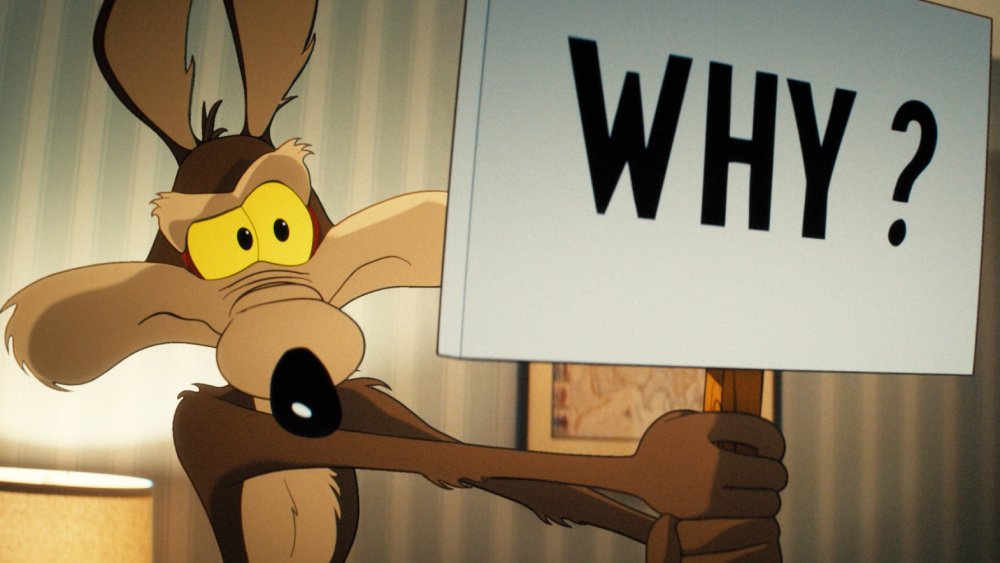
Meanwhile, Warner Bros Discovery was wrestling with its expansive film library, deciding which projects to greenlight and which to shelve. In a high‑stakes gamble, David Zaslav deemed Coyote vs. Acme—a slapstick, Looney Tunes short featuring Wile E. Coyote’s endless attempts to catch a Roadrunner—to be financially unworthy of a wide release. The studio, seeking to write off the film as a tax expense, turned a potential comedy treasure into an accounting footnote. It was not until three years later that indie distributor Ketchup Entertainment recognized the latent value in the cartoon, launching it into theaters and home video. The film’s global earnings surpassed $100 million, a stark reversal of its original fate and a cautionary tale about the fleeting nature of corporate decision‑making in an era of rapidly shifting media consumption.
In the same breath as Alda confronts a disease that has, by all medical metrics, a grim prognosis, the entertainment industry watches a film that once was discarded come to life, proving that art can outlast executive skepticism. The contrast between an actor’s personal struggle and a studio’s financial misstep paints a picture of the unpredictable human elements that underlie both celebrity and corporate narratives.
What People Are Saying
Across social media feeds and fan forums, the reaction to Alda’s interview has been a blend of admiration and solidarity. Many viewers, who have watched him navigate his Parkinson’s symptoms with humor, praise his openness. “I can’t wish it away,” one fan wrote, echoing the actor’s sentiment, “and it’s so inspiring to see him keep doing what he loves.” Others have echoed that the humor he uses to cope—a technique he described as turning a problem into a punchline—serves as a therapeutic reminder that laughter can be a powerful ally.
Industry insiders, too, have taken note. A senior producer from a long-running medical drama remarked that Alda’s candidness has “changed how we think about portraying long‑term illness on screen.” While his career now leans more toward selective roles, his continued presence in television and film is proof of his enduring appeal and the respect he commands from colleagues across generations.
Parallel to the conversation around Parkinson’s, the story of Coyote vs. Acme has sparked discussion among film critics and business analysts. Some see it as a case study in missed opportunity: how a studio’s reliance on traditional metrics can overlook the enduring appeal of nostalgic content. Others highlight the power of independent distributors like Ketchup Entertainment to rescue and rebrand films that mainstream giants dismiss. The $100 million global earnings have been cited in academic papers examining the economics of franchise reboots, demonstrating that even a single, short Looney Tunes cartoon can generate significant revenue when placed in the right market context.
In forums where comedy lovers gather, the film’s release has reignited nostalgia for the era of classic animation. Memes referencing the infamous “sack of potatoes” scene have proliferated, and a new generation of viewers is discovering the charm of Wile E. Coyote’s relentless ingenuity. The conversation around the film’s triumph is less about numbers and more about the cultural resonance of a character who, like Alda, refuses to give up on his mission—whether it’s chasing a Roadrunner or living with a neurological disorder.
What Happens Next
For Alan Alda, the next chapter is already in motion. While Parkinson’s is a progressive disease, his current strategy focuses on maintaining an active lifestyle, engaging in creative projects, and fostering open dialogue about the condition. He plans to continue appearing in select television roles, particularly those that allow him to infuse his characteristic humor into scripts that address contemporary issues. His latest collaboration, a Netflix comedy series written by Tina Fey, is set to premiere later this year, signaling that his career remains vibrant. Beyond acting, Alda intends to expand his advocacy work, leveraging his public platform to support research funding and patient support groups.
On the corporate side, the Warner Bros Discovery saga is prompting a re‑evaluation of content acquisition protocols. Executives are reportedly revisiting their decision‑making frameworks to balance data analytics with creative intuition. The studio’s CFO has indicated that future projects will be subjected to a more granular review process that includes creative team input and audience testing, in hopes of preventing another case of undervalued content. Meanwhile, Ketchup Entertainment is reportedly scouting additional Looney Tunes and classic cartoons for distribution, riding the wave of nostalgia that has proven profitable for niche distributors in the streaming age.
Both stories underscore the unpredictable dance between human resilience and corporate strategy. Alda’s acceptance of Parkinson’s demonstrates how personal fortitude can transform an adversity into a platform for empathy and inspiration. Conversely, the Coyote vs. Acme narrative reminds stakeholders that even seemingly marginal projects can yield substantial returns when they resonate with the right audience. As the entertainment landscape continues to evolve, these tales serve as beacons for both the creative spirit and the business acumen that drive the industry forward.
In the quiet moments after the interview, Alda leans back, smiles at a family photo, and says, “I gotta accept what is.” His words echo across living rooms and boardrooms alike, reminding us that whether we’re battling a disease or navigating a corporate misstep, it is the acceptance of reality that often paves the way to unexpected triumphs.
The Bottom Line
The convergence of Alan Alda’s public health journey and Warner Bros Discovery’s acquisition blunder offers a clear lesson for the entertainment sector: resilience—whether personal or corporate—thrives on honest risk and openness to unexpected outcomes. Alda’s willingness to admit vulnerability and continue producing content showcases the power of authentic storytelling to inspire audiences and influence industry standards for portraying illness. Simultaneously, the misjudged dismissal of Coyote vs. Acme warns that even seasoned studios can fall prey to short‑sighted metrics when they neglect creative instincts. By listening to creators’ lived experiences and honoring legacy material, studios can create more inclusive narratives and unlock untapped revenue streams. MyWorldPulse believes that embracing these dual dynamics will foster a healthier, more inclusive Hollywood, where human stories and sound business decisions co‑exist to deliver both emotional resonance and financial success.
Reference:
- Alan Alda's Twitter announcement of Parkinson's
Read more celebrity news at MyWorldPulse.