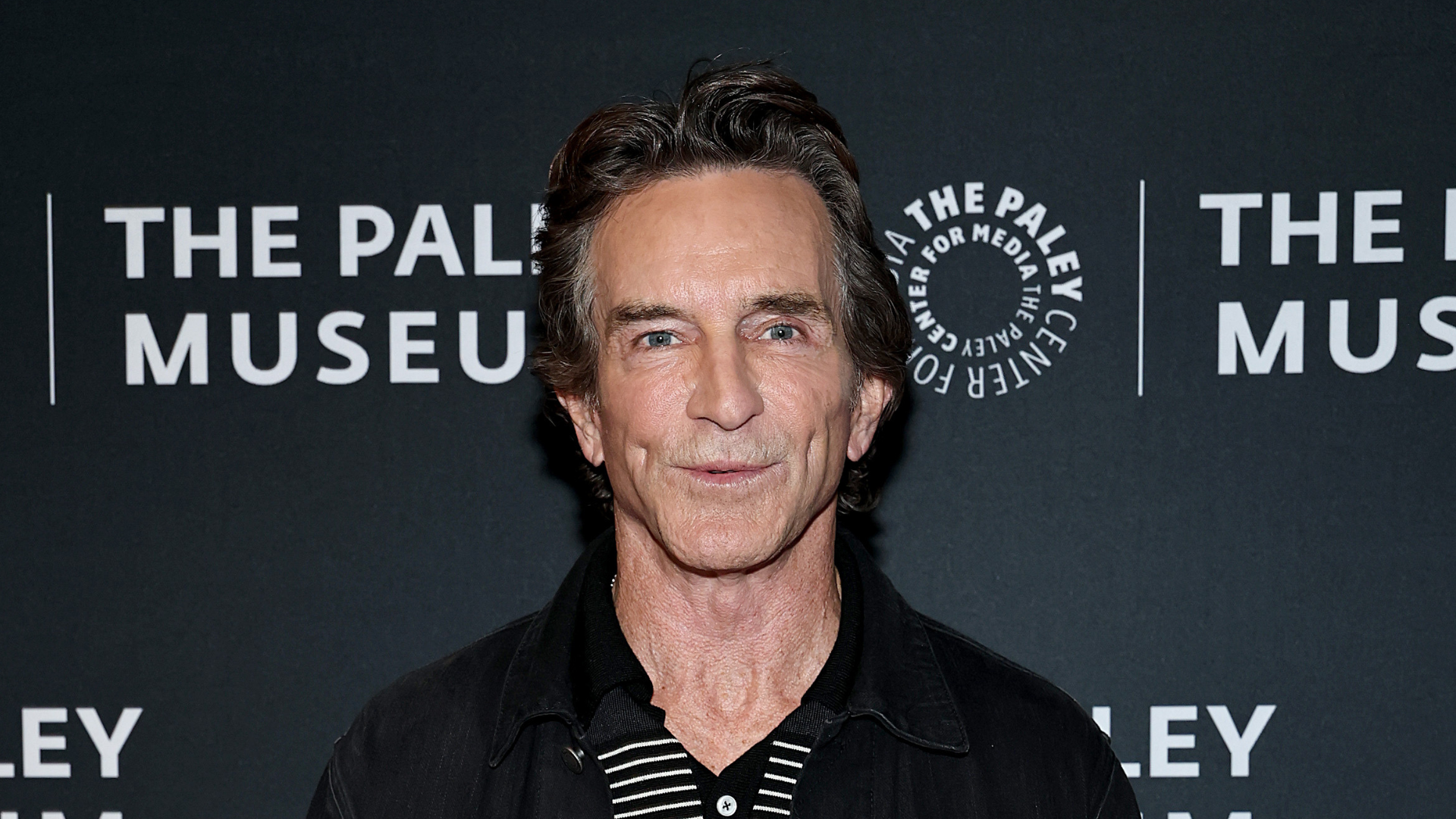
For more than a decade, Jeff Probst has been the unmistakable voice that guided viewers through every twist, every vote, every dramatic sunset on the remote islands that become the backdrop for Survivor. His steady presence turned the first season, which premiered in May 2000, into a cultural touchstone. By the time the series reached its eighth season, the show had cemented itself as a prime‑time juggernaut, and Probst’s salary—estimated at about $4 million per season—reflected that status. Yet, in 2009, the host who had become synonymous with the show announced he was stepping away, a decision that sent shockwaves through fans and the television industry alike. The brief hiatus, followed by a triumphant return, reveals how even the most iconic figures can feel exhausted, and how networks sometimes must act quickly to preserve the essence of a beloved franchise.
Background & Context
The story begins in the lush, sun‑burnt landscapes of Gabon, where Survivor season 8 aired in 2008. For many viewers, that season introduced a new level of drama, but for Probst it marked a turning point. He was no longer simply a host; he had become the face of an evolving reality‑competition format that demanded constant innovation. The pressures of living in the spotlight, the relentless schedule of pre‑shoot planning, and the weekly demands of the live broadcast began to erode the host’s sense of self. In a rare, candid interview, he described the moment as a “kidney punch,” a jarring blow that made him question whether he was merely a white guy with dark hair or a genuine storyteller. This existential crisis was compounded by the realization that the audience had largely reduced him to a game‑show figure, ignoring the narrative architecture he had helped craft.
The idea of stepping away was not a sudden impulse. Throughout the years, there had been murmurs in the industry about the toll of hosting a high‑stakes reality series. Comparable cases—such as the departure of long‑time hosts in other shows—illustrated that even seasoned personalities can face burnout. Yet no one anticipated that Probst would declare his resignation after the 2008 season. In the weeks that followed, CBS, then headed by CEO Leslie Moonves, faced a dilemma: lose the anchor that had become integral to Survivor’s brand, or risk a decline in viewership and production quality.
Moonves’ response was decisive. Rather than letting the franchise falter, he convinced Probst to take a brief hiatus—a move that allowed the host to recuperate without severing his ties to the show. This intervention proved pivotal. During the break, producers tweaked the format, streamlined production logistics, and focused on enhancing the game’s narrative structure. When Probst returned for Survivor: Micronesia – Fans vs. Favorites in 2009, his approach was noticeably grounded. He shifted from a larger‑than‑life persona to a more authentic facilitator, emphasizing the core formula that had always driven the series: serving the loyal audience without chasing external accolades.
What People Are Saying
The reaction from fans and critics was mixed. Long‑time viewers, accustomed to the familiar cadence of tribal councils and the host’s dramatic “You’ve been voted out” delivery, voiced concern over the possibility of a loss of continuity. Some questioned whether Survivor could maintain its signature tension without Probst’s reassuring presence. Others, however, praised the network’s decision to prioritize the host’s well‑being, arguing that the show’s longevity depended on sustainable creative energy. Social media forums were abuzz with speculation—some fans posted memes about a “new, fresher” Survivor sans Probst, while others shared heartfelt messages of support for the host.
Industry insiders noted the financial implications of Probst’s departure. As both host and executive producer, his compensation was not limited to the $4 million per season figure. The dual role meant his annual earnings hovered around $8 million—a substantial amount that raised questions about the cost of high‑profile talent versus the creative vitality of the show. Some analysts suggested that the network’s willingness to allow a brief sabbatical reflected a broader trend in television, where executive producers are increasingly valued for their storytelling and production oversight, not just their on‑screen presence.
The episode also sparked discussions about the human cost behind reality TV’s polished surface. While the genre is often celebrated for its spontaneity and entertainment value, the industry’s behind‑the‑scenes demands are intense. From rigorous shooting schedules to the emotional labor of managing cast dynamics, hosts like Probst carry a unique load. The brief hiatus highlighted that even the most resilient figures can benefit from a pause, and that networks can take proactive steps to safeguard the creative spirit that fuels long‑running series.
What Happens Next
Following his return, Probst’s commitment to Survivor remained unwavering. He has continued to serve as both host and showrunner, shaping the show’s evolution through format tweaks, location changes, and cultural shifts. The franchise has grown to encompass multiple spin‑offs and international adaptations, yet Probst’s steady presence has offered continuity and a familiar touchstone for viewers. As the series prepares for upcoming seasons, CBS balances the host’s creative vision with the logistical demands of a weekly reality competition.
Looking ahead, the Survivor team is exploring ways to keep the show fresh while preserving its core essence. Innovations such as interactive audience voting and enhanced social media integration aim to deepen viewer engagement. Probst’s experience, both as a seasoned host and as someone who has navigated the challenges of creative burnout, positions him uniquely to steer the show through the next phase of its evolution. By acknowledging his limits and prioritizing storytelling, he exemplifies the delicate balance between personal well‑being and professional excellence that is essential for sustaining a franchise over decades.
The brief departure in 2009 will likely be remembered as a moment of vulnerability that ultimately strengthened the series. It served as a reminder that the heart of Survivor lies not just in its strategic gameplay, but in the people who craft and convey its narrative. As the show continues to thrive, Probst’s willingness to step back—and return with renewed energy—reinforces the idea that even the most iconic television figures must listen to their own limits, and that networks that do so can preserve both the integrity of their brand and the well‑being of their talent.
The Bottom Line
Survivor’s brief 2009 break is a cautionary tale that should reverberate across the entertainment industry. The network’s choice to support Jeff Probst’s health, even at the expense of a temporary dip in ratings, demonstrates that protecting creative talent ultimately safeguards brand integrity. In an era where the line between production costs and audience expectation is razor‑thin, networks must recognize that the longevity of a show hinges on its storytellers, not just its star power. By giving Probst the breathing room he needed, CBS preserved the series’ core while setting a precedent for responsible talent management. It’s a lesson that any franchise—whether on broadcast, cable, or streaming—should heed: a brief pause can prevent a permanent loss, ensuring that the narrative continues to resonate with viewers for years to come. –MyWorldPulse.com
Reference:
- Official post on Jeff Probst's verified Instagram
- CBS Studio interview with Jeff Probst (March 2009)
Read more celebrity news at MyWorldPulse.