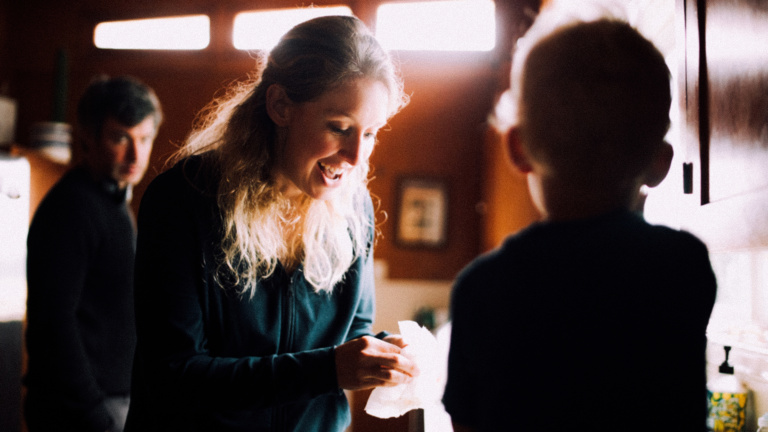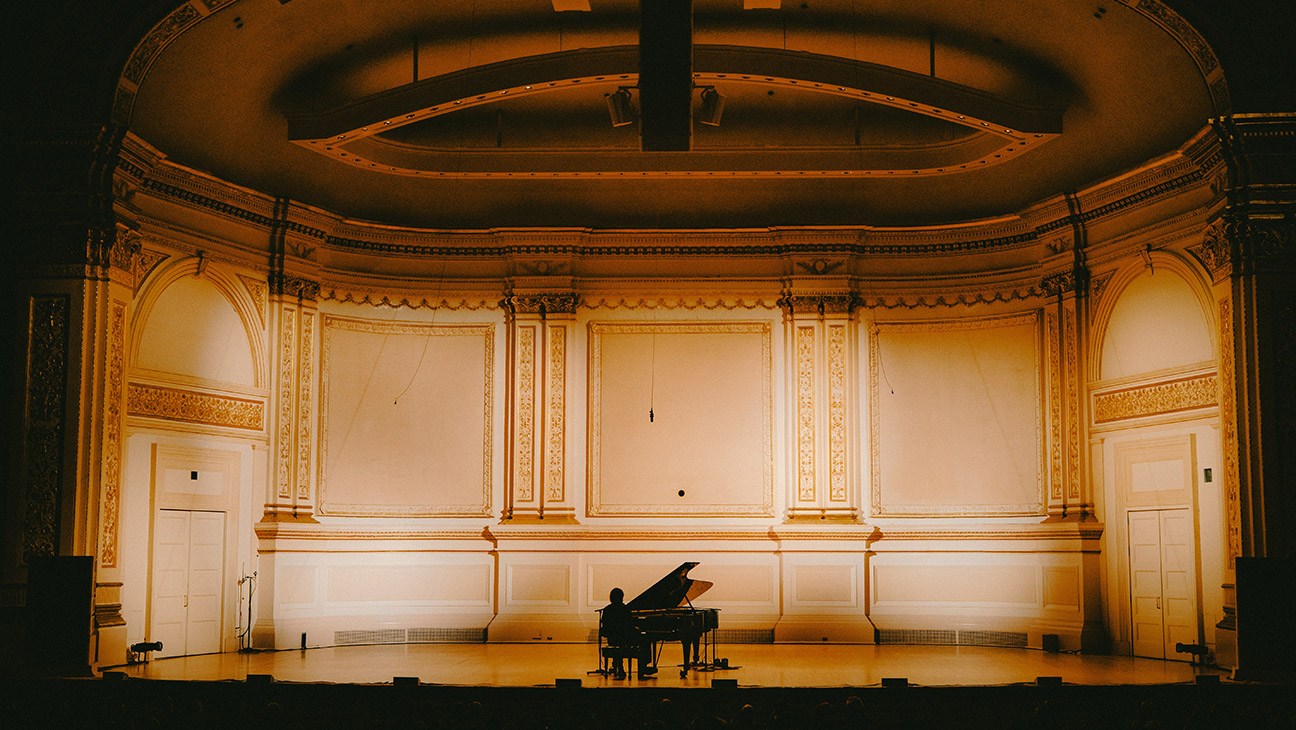
In the hushed grandeur of Carnegie Hall, Cameron Winter’s voice rose like a sunrise, and within the flickering shadows of the auditorium, the Oscar‑winning filmmaker Paul Thomas Anderson caught every breath of his performance, stitching together a 90‑minute cinematic experience that feels as if the audience is seated right beside him.
The New York Film Festival’s premiere of Cameron Winter at Carnegie Hall marked a pivotal moment for the intersection of live music and film. The documentary, filmed in a single take across a packed hall, delivers an intimacy rarely achieved on the big screen. Instead of a conventional concert film, Anderson’s austere, almost minimalistic style places viewers in the immediate, sensory world of the performance, letting the music—and the quiet, deliberate movements of Winter—do the storytelling.
For an industry that has long chased larger-than‑life spectacle, this film reasserts that a small, focused lens can create a resonant, almost visceral experience. In a climate where streaming platforms and virtual concerts have become the new standard, Anderson’s approach offers a counterpoint: a tactile, unmediated encounter that invites both musicians and filmmakers to rethink the very definition of concert documentation.
Background & Context
Cameron Winter, known for his eclectic blend of folk, rock, and experimental sounds, has carved a niche that straddles indie authenticity and theatrical flair. Prior to his Carnegie Hall solo, Winter had released a string of albums that showcased his penchant for narrative lyricism, culminating in a performance that was, by all accounts, a theatrical showcase of his musical vision. The choice of Carnegie Hall—a venue that carries centuries of cultural weight—was both a statement of ambition and proof of Winter’s growing reputation in the indie circuit.
Paul Thomas Anderson, acclaimed for films such as Boogie Nights and Magnolia, is rarely seen in the documentary realm. Yet his prior projects have always carried an intimate, observational quality: from the raw, character‑driven storytelling of There Will Be Blood to the sprawling, interconnected narratives of The Master and Phantom Thread. In Cameron Winter at Carnegie Hall, Anderson brings that same depth of observation to a live music setting, choosing to let the venue itself act as a silent participant in the narrative. The film’s runtime—just shy of an hour and a half—was deliberately limited to preserve the immediacy of the live experience, preventing the kind of post‑production expansion that often dilutes the emotional impact of concert films.
The production process itself was an exercise in restraint. Filming a solo performance that spanned roughly 90 minutes demanded a single, continuous take. Anderson’s crew, composed of a handful of seasoned camera operators and sound technicians, moved almost invisibly, capturing Winter’s every vocal nuance and the subtle shift of lights across the stage. The decision to avoid any form of post‑editing or narrative framing was a bold one; it meant that the final cut was essentially a faithful transcription of what the audience witnessed in the concert itself.
What People Are Saying
Critics praised the film’s “effectively austere” aesthetic, a phrase that encapsulates Anderson’s deliberate minimalism. The absence of a narrator or cut‑away interviews allows the music to remain the primary storyteller, while the unvarnished visuals invite viewers into the acoustic space of Carnegie Hall. Many reviewers highlighted the sense of “being right in the room,” an immersive quality rarely achieved by concert documentaries that tend to rely on over‑produced commentary or flashy editing techniques.
Audiences responded with a palpable sense of connection. Festival-goers reported feeling as though they were part of a living, breathing conversation, rather than passive observers of a staged performance. The film’s raw sound capture and authentic lighting choices were noted for preserving the acoustic depth of the hall—an essential feature for a setting where every decibel matters. While some traditionalists might argue that a more polished presentation would have better showcased Winter’s technical prowess, the majority of viewers found that the film’s unfiltered approach added to its emotional resonance.
The documentary has also sparked conversation among musicians and filmmakers about the possibilities of similar projects. Industry insiders suggest that the success of this film could encourage more artists to consider the festival circuit as a viable platform for concert documentation, providing a counterbalance to the digital streaming model that has become dominant in recent years. Moreover, the film’s austere style may inspire directors to explore the potential of single‑take concert films, a technique that demands a high level of coordination but rewards with an authentic, unmediated narrative.
What Happens Next
Distribution plans for Cameron Winter at Carnegie Hall are already in motion. The film is slated for release on a major streaming platform, where it is expected to attract both festival aficionados and broader music audiences. The exposure is likely to elevate Winter’s profile beyond the indie sphere, positioning him as a serious contender for mainstream recognition. The film’s success may also prompt other artists to seek collaborations with established directors, opening the door to a new subgenre of concert documentaries that prioritize artistic integrity over commercial spectacle.
From a career perspective, Winter’s relationship with Anderson could lead to future projects that explore the narrative potential of music beyond the concert hall. Whether it is a deeper dive into Winter’s songwriting process or a broader exploration of his influences, the groundwork has been laid for a series of intimate, character‑driven pieces that blur the line between musician and filmmaker.
For Anderson, the film is proof of his versatility. It demonstrates that his storytelling instincts are not limited to the fictional realm but can also translate into the spontaneous world of live performance. This may encourage him to continue experimenting with unconventional formats, further diversifying his portfolio and reinforcing his status as a filmmaker unafraid to tackle new challenges.
In a world where music consumption is increasingly digital and fragmented, Cameron Winter at Carnegie Hall reminds us that the raw, unedited experience of a live performance still holds immense power. It offers a bridge between the immediacy of the stage and the permanence of the film medium, inviting audiences to relive the moment with a clarity that only a focused, austere approach can deliver. The impact of this documentary will likely reverberate through both the film and music industries, inspiring creators to reimagine how we share and savor live art in the years to come.
The Bottom Line
MyWorldPulse.com believes that Cameron Winter’s unedited, single‑take concert film is a watershed moment for both the music and film industries. By refusing to cut or edit the performance, Paul Thomas Anderson has shown that the best stories are sometimes the simplest ones—those that let the artist’s voice and the venue’s acoustics speak for themselves. The film’s success signals a growing appetite among viewers for authentic, immersive experiences that cut through the noise of over‑produced media. For filmmakers, it offers a blueprint for creating powerful documentaries on a modest budget, proving that technical restraint can amplify artistic vision. For musicians, it suggests that the most compelling way to share their work may be to capture it in its purest, most immediate form. In a landscape where streaming platforms dominate and content is often diluted, this project reminds us that the rawness of a live performance can still command attention—and that audiences are hungry for that genuine connection. — MyWorldPulse.com
Reference:
- Official post on Paul Thomas Anderson’s verified Twitter account announcing the release
- Official post on Cameron Winter’s verified Instagram account showcasing the Carnegie Hall performance
Read more celebrity news at MyWorldPulse.