The hush of the packed theater in Manhattan swelled into a roar as the final credits of Nathan Fielder’s new documentary about Elizabeth Holmes rolled down the screen. In that instant, a wave of applause and whispers rippled through the audience, a reaction that foreshadowed the film’s staggering $15 million debut and the meme‑fuelled frenzy that has turned the film into a cultural touchstone.
A24’s bold decision to back a three‑hour exposé on one of the most controversial figures in tech history has paid off in more ways than one. Over 2,000 seats sold out across the country, and fans were seen lining the streets outside the theater, clutching their phones to capture the cinematic experience that feels both intimate and epic. The film’s rapid rise to the top of streaming charts and its viral hashtags echo the power of storytelling that bridges the gap between reality and spectacle.
Yet the story of authenticity in entertainment is not limited to the silver screen. A week later, former “Below Deck” captain Lee Rosbach shared a series of revelations that peel back the glossy veneer of reality television. In a candid TikTok interview, Rosbach exposed the day‑to‑day battles he fought with producers to keep safety and legality front and center—conflicts that, according to him, generated far more drama than any scripted plot could.
Background & Context
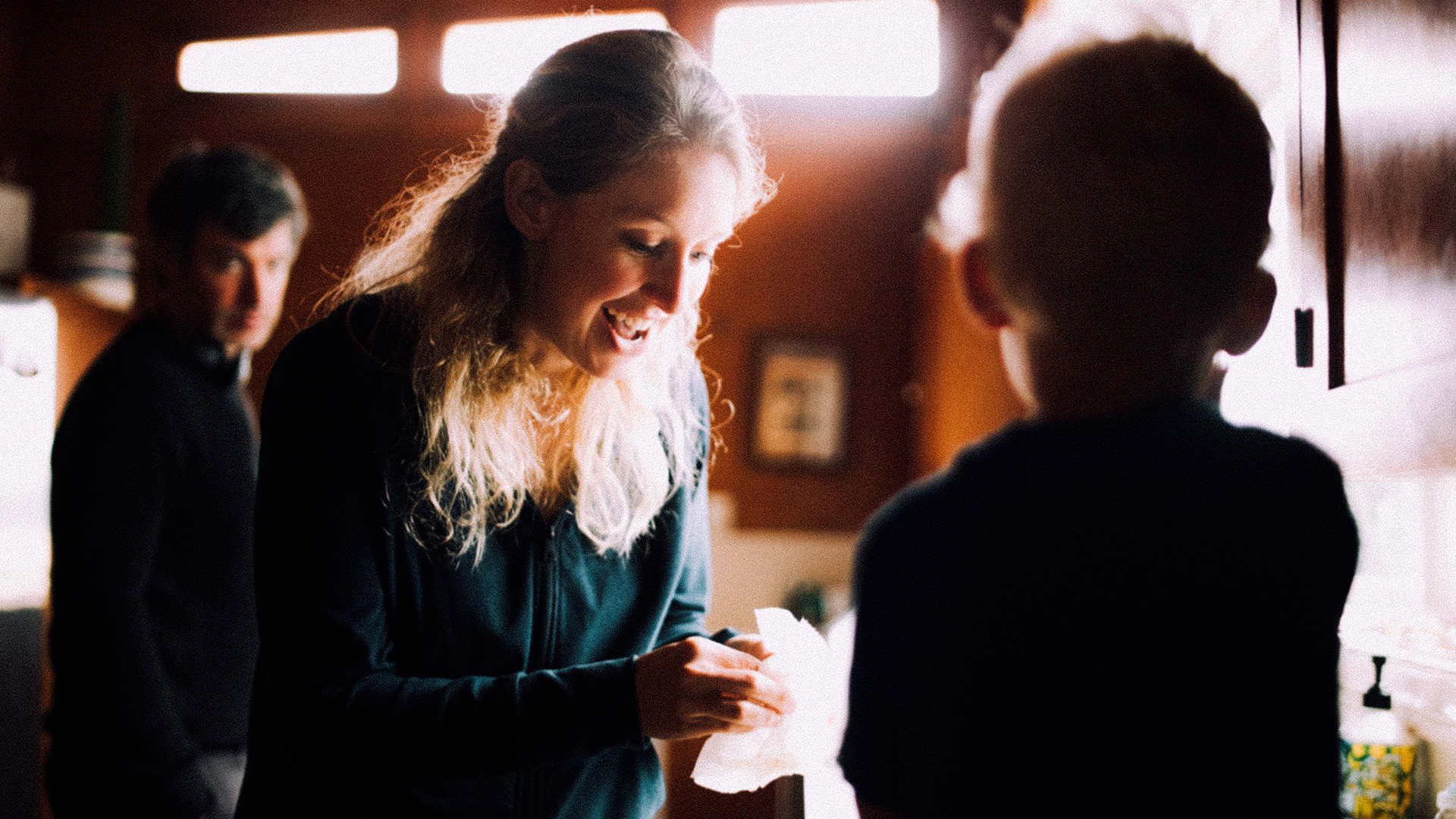
Nathan Fielder, best known for his absurdist comedy series “Nathan for You,” co‑directed this ambitious documentary, pairing his dry humor with a meticulous investigative approach. The film follows the rise and fall of Elizabeth Holmes, the founder of the blood‑testing startup Theranos, who promised a revolution in medical diagnostics but ultimately faced lawsuits, criminal charges, and a spectacular collapse. By blending archival footage, expert commentary, and intimate interviews, Fielder creates a narrative that feels like a slow‑burn thriller, complete with moments of disbelief and chilling revelations.
A24, the boutique studio renowned for pushing genre boundaries with titles like “Moonlight” and “Midsommar,” chose to launch the film at a flagship cinema in Manhattan, generating buzz through a limited release that capitalized on word‑of‑mouth and social media virality. Within the first 48 hours, the movie pulled in $7 million from the U.S., quickly reaching the $15 million milestone by week two. Industry insiders attribute this success to the film’s timing—arriving just weeks after a court filing dismissed a federal lawsuit against Holmes—and its cross‑generational appeal, drawing in Gen Z viewers who engage with meme culture and older audiences drawn by the dramatic arc of a cautionary tale.
Meanwhile, Captain Lee Rosbach’s testimony sheds light on a different facet of authenticity: the raw, unscripted drama that unfolds behind the scenes of reality television. Over a ten‑season run, Rosbach steered several luxury yachts, each episode depicting high‑profile guests, extravagant parties, and the inevitable interpersonal tensions that arise on the high seas. Rosbach insists that the “drama” many viewers witnessed was genuine, not manufactured. He recalls that production crews often proposed stunts or scenes that he felt could compromise the vessel’s safety or the crew’s well‑being. “I would not commit to doing anything that wasn’t safe for the boat or the people on board,” he said.
The captain’s willingness to negotiate conditions with producers reveals a tension that has long existed in reality TV: the push for sensational content versus the duty of care owed to participants and crew. While “Below Deck” has been praised for its candid portrayal of luxury lifestyles, Rosbach’s comments suggest that much of what audiences see is the product of careful, sometimes contentious, negotiation rather than pure improvisation.
What People Are Saying
The film’s reception has been enthusiastic. Viewers on social media have taken to Twitter, Instagram, and TikTok to dissect the documentary’s key moments, creating a ripple of memes that reference Holmes’ infamous “gallon‑size blood sample” claims and her charismatic public persona. The meme craze, which spread almost overnight, has not only boosted the film’s visibility but also sparked conversations about the ethics of entrepreneurship and the fine line between innovation and deception. Critics praise Fielder’s direction for balancing humor with investigative rigor, noting that the film’s pacing allows audiences to absorb complex scientific details without feeling overwhelmed.
In contrast, Rosbach’s revelations have prompted a reevaluation of reality TV production practices. Fans of “Below Deck” who were skeptical of the show’s authenticity now have a more nuanced understanding of the production dynamics. Some viewers expressed surprise at the level of professionalism required to maintain safety on a yacht, especially when faced with requests from producers that could have jeopardized the crew. Others highlighted that the real drama Rosbach refers to—disagreements, safety protocols, and logistical hurdles—often takes precedence over staged confrontations.
Industry experts see a convergence between the two narratives: both the documentary and the reality series underscore the hunger for truth in entertainment. The success of Fielder’s film demonstrates that audiences are willing to invest in meticulously researched storytelling that does not shy away from uncomfortable truths. Simultaneously, Rosbach’s candidness shows that the authenticity of reality TV can be upheld by transparent processes, even when the stakes involve high seas and high-profile guests.
What Happens Next
A24 is already planning a wider release for the documentary, with plans to distribute it on multiple streaming platforms and to hold a national tour featuring Q&A sessions with Fielder and select interviewees. The studio anticipates that the film’s continued presence in both theaters and digital spaces will sustain its $15 million momentum and potentially set a new benchmark for documentary releases that blend humor and hard-hitting journalism.
Meanwhile, “Below Deck” has taken Rosbach’s comments to heart. The network has confirmed that future seasons will incorporate stricter safety guidelines and clearer communication channels between production crews and captains. Though no official statement has been issued, insiders suggest that the show will prioritize crew welfare without sacrificing the drama that has made it a household name. Rosbach himself plans to write a memoir detailing his experiences on the show, offering readers an inside look at the reality‑tv world he helped shape.
As the entertainment industry continues to grapple with questions of authenticity, the success of Nathan Fielder’s Holmes documentary and the candid revelations from Captain Lee Rosbach will likely influence how studios, producers, and audiences approach storytelling. Whether on the big screen or the open sea, the appetite for stories that respect truth while engaging viewers remains stronger than ever.
The film’s debut and the captain’s testimony serve as a reminder that truth, whether revealed through investigative cinema or candid behind‑the‑scenes accounts, has the power to captivate and compel. As both narratives unfold, the lines between documentary and drama, between production and authenticity, will continue to blur—offering a fresh lens through which to view the stories that shape our world.
The Bottom Line
The success of Nathan Fielder’s Holmes documentary—and the revelations from former "Below Deck" captain Lee Rosbach—demonstrate that audiences crave authenticity, whether it comes from investigative cinema or honest behind‑the‑scenes accounts. A24’s strategic release model proves that a film can achieve blockbuster earnings and viral cultural impact by marrying humor with hard‑earned truths. Simultaneously, Rosbach’s insistence on safety over sensationalism challenges reality TV to move beyond scripted drama and embrace genuine conflict rooted in production realities. For MyWorldPulse readers, these developments are a call to celebrate stories that respect the truth, and a warning to content creators that audiences will soon demand accountability in every frame. The industry’s future depends on this balance—deliverable content that entertains while upholding the dignity of those who bring it to life.
Reference:
- Nathan Fielder's official Instagram announcement of the Holmes documentary
Read more celebrity news at MyWorldPulse.