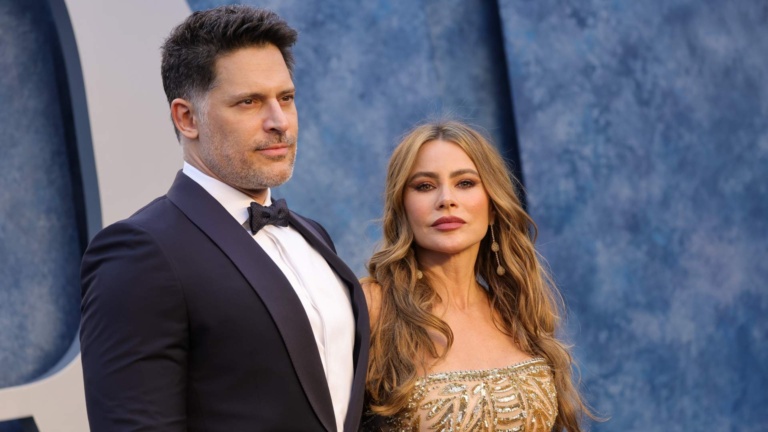
In 2013, Kendra Wilkinson, known for her stint on Girls Next Door, surprised viewers when she urged the Gosselin clan’s eight children to flee from the looming lenses into the woods. The moment, captured on the reality series Celebrity Wife Swap, remains a vivid memory of her quick‑thinking attempt to preserve the kids’ privacy in a hyper‑public setting.
The episode paired Wilkinson with Kate Gosselin, whose family had become a fixture on the network. The premise was simple yet tense: each woman stepped into the other’s household, following the new rules while eventually setting her own. As cameras hovered over the Gosselin home, Wilkinson’s discomfort grew. “I felt bad and awkward filming at times,” she later admitted to a fan on Instagram. “I gathered the kids and told them to run from the cameras into the woods,” she recalled, a gesture that sparked both laughter and relief among the on‑screen audience.
In the years since, the Gosselin family has been thrust into controversy. Collin Gosselin’s memoir has ignited a wave of accusations alleging child abuse toward Kate. While Wilkinson’s brief cameo in 2013 predates these claims, her comments about Collin—“he leaned on me a little”—have re‑ignited interest in what she might have observed behind the scenes.
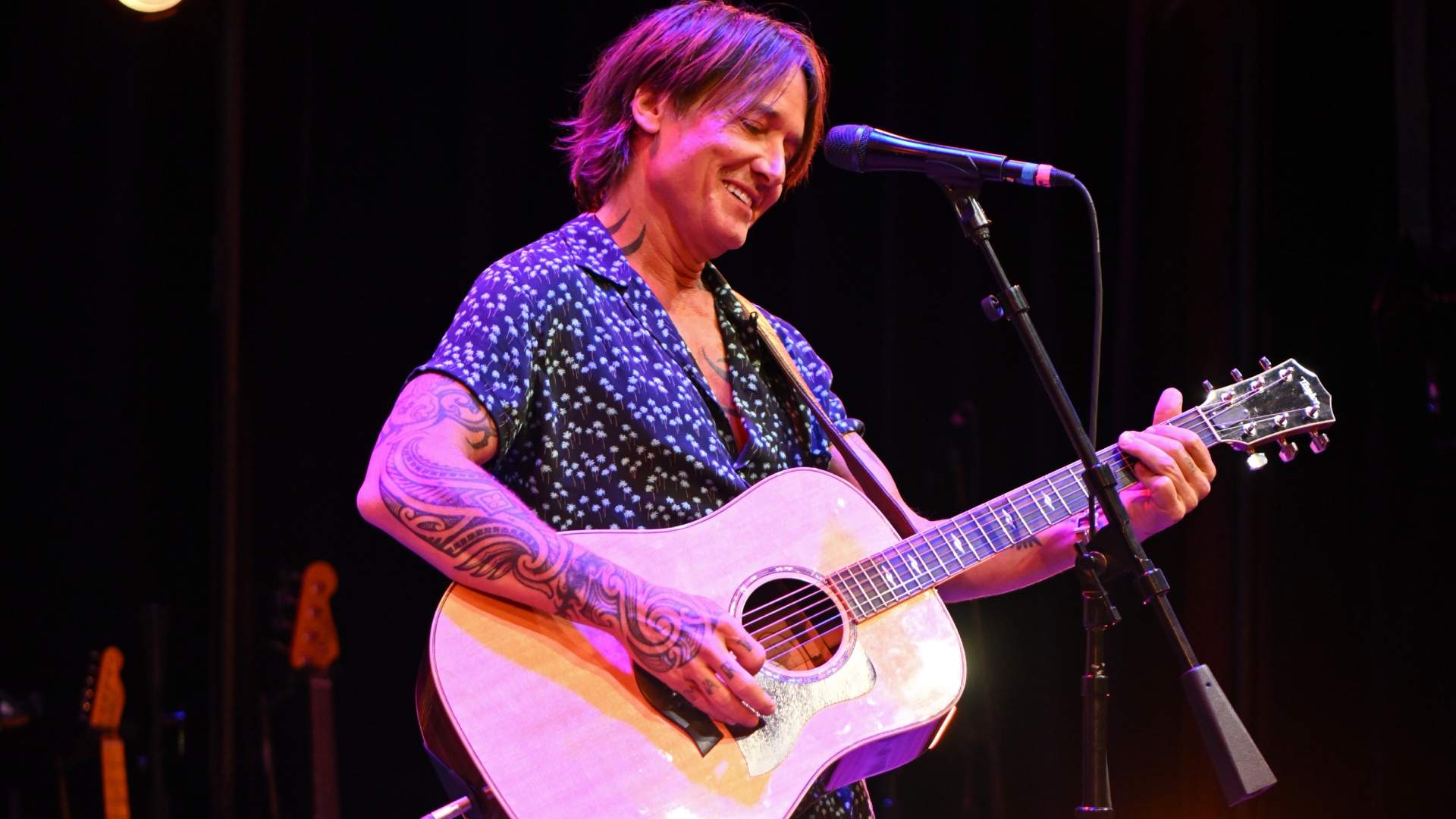
Amid this backdrop of celebrity turbulence, another figure in the entertainment world shared a contrasting philosophy about public perception. Keith Urban, the country‑musician whose career took off in 2001 with “But for the Grace of God,” appeared in a recent Guitar World interview to declare that he “doesn’t read reviews, doesn’t read comments.” The veteran singer explained that he prioritizes his own artistic journey over external validation. “What other people think of me, I couldn’t give a [expletive]. I’m just trying to express myself – that’s my own journey,” he told the magazine.
---
Background & Context
Keith Urban’s ascent began over two decades ago when he moved from New Zealand to Nashville, carving out a niche in the country music scene with a blend of traditional storytelling and pop‑inspired hooks. By the time “But for the Grace of God” broke in 2001, Urban had already started to shape his signature sound—an amalgam of twang and contemporary production that would later attract collaborations with icons like Brad Paisley, Carrie Underwood, and Miranda Lambert. Over the years, he has released a string of chart‑topping albums, solidifying his reputation as a boundary‑pushing artist who refuses to be boxed into genre expectations.
The Gosselin saga, meanwhile, began in 2010 when Jon & Kate Plus 8 debuted on TLC, chronicling the lives of the family’s eight children. The show’s success led to spin‑offs, including Girls Next Door where Wilkinson starred for three seasons. In 2013, both families found themselves on Celebrity Wife Swap, a concept that promised insight but often delivered drama. That episode, in particular, highlighted the clash between the Gosselin household’s open, sometimes chaotic lifestyle and Wilkinson’s more restrained background.
While Urban and Wilkinson operated in different spheres—one in music, the other in reality television—both navigated public scrutiny in unique ways. Urban chose to ignore the cacophony of critique, while Wilkinson, in the moment, opted to protect her children from intrusive cameras.
---
What People Are Saying
Fans of Urban have long celebrated his refusal to bend under pressure. Social media threads often echo his sentiment: “He’s never played for the critics,” someone posted, noting that his authenticity has earned him a loyal fan base. Critics, however, sometimes argue that an artist’s engagement with feedback is essential for growth. Yet Urban maintains that true artistry requires a solitary focus on one’s inner compass.
The conversation surrounding Wilkinson’s 2013 decision gained new layers with the publication of Collin Gosselin’s memoir. Readers have debated whether her brief admonishment to the children was a subtle hint at underlying tensions. Some observers claim that Wilkinson’s “lean on me a little” remark hints at a more complex dynamic, while others see it as an innocuous comment from a woman trying to maintain composure on camera.
Both discussions illustrate a larger theme: the tension between authenticity and public perception. Urban’s stance—“I can’t give a [expletive] about how people see me”—mirrors Wilkinson’s on‑the‑spot action to shield her children. While Urban channels his defiance through songwriting, Wilkinson’s choice was a spontaneous act of protection, each resonating with audiences who value genuine self‑expression over curated image.
The public’s reaction is divided. Some applaud Urban’s disregard for criticism, seeing it as proof of artistic integrity. Others view it as an avoidance tactic, questioning whether it stifles evolution. In Wilkinson’s case, many viewers applaud her decision to protect the children, while critics suggest that the episode exposed the often exploitative nature of reality TV.
---
What Happens Next
In the music arena, Urban continues to push creative boundaries. His upcoming album, slated for release later this year, promises experimentation with folk textures and electronic elements—an evolution that reflects his ongoing refusal to be confined by genre expectations. Industry insiders anticipate that he will maintain his “own journey” approach, likely shunning pre‑release reviews in favor of a raw, unfiltered listening experience for fans.
The Gosselin family’s legal and public battles are still unfolding. While Collin’s allegations have not yet resulted in formal charges, the situation has prompted renewed scrutiny of family dynamics in reality shows. Wilkinson’s brief appearance and subsequent commentary may influence how audiences interpret future episodes and memoirs. Whether her remarks will lead to broader discussions about child safety in televised environments remains to be seen.
Both Urban and Wilkinson exemplify a shared commitment to authenticity. Urban’s steadfast refusal to engage with external critique mirrors Wilkinson’s decisive act to shield her children from the spotlight’s glare. Their stories suggest that, in an era saturated with constant feedback, some artists and personalities choose to navigate their own paths—whether through a guitar’s twang or a whispered directive in the woods.
---
In a world where public opinion often feels like a loud chorus, both Keith Urban and Kendra Wilkinson remind us that true agency lies in choosing what matters most: a personal journey or the safety of a child. Their actions, though different in nature, underscore the enduring value of authenticity in a noise‑filled age.
The Bottom Line
The convergence of Kendra Wilkinson’s protective instincts on a reality‑TV set and Keith Urban’s principled indifference to critique reveals a shared commitment to authenticity that transcends genre. Both figures chose agency over compliance: Wilkinson, by shielding her children from the invasive gaze of the camera crew, and Urban, by refusing to let external validation dictate his creative process. In a media landscape where every action is dissected and every sentiment amplified, their stances serve as a reminder that authenticity is not a one‑size‑fits‑all label. For consumers, it encourages a more nuanced engagement with media—one that appreciates the bravery of those who step away from the spotlight or safeguard the vulnerable. For creators and networks, it signals a pressing need to re‑evaluate production practices, particularly concerning child participants, and to honor the genuine artistry that defies conventional metrics. Ultimately, the stories of Wilkinson and Urban affirm that integrity, whether manifest in a swift flight into the woods or in a deliberate disengagement from the chorus of critics, remains the most compelling narrative in an era of perpetual scrutiny.
Reference:
- Kendra Wilkinson's Instagram post about the Celebrity Wife Swap incident
Read more celebrity news at MyWorldPulse.