Crystal Hefner Sends Jessica Biel a DM, Urges Her to Reconsider Role as Hefner's Wife
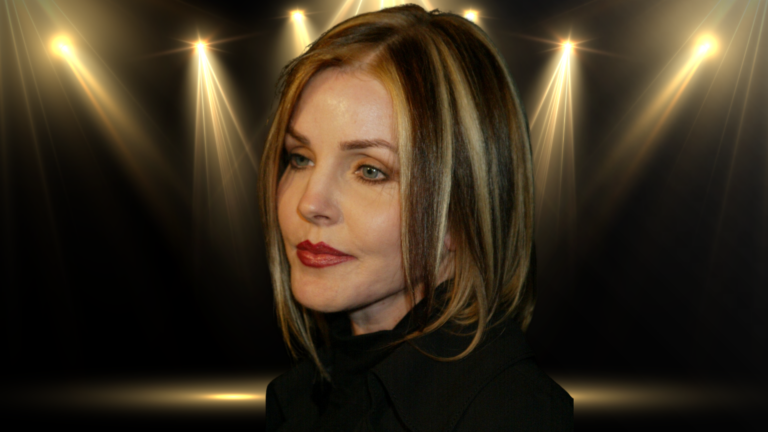
Crystal Hefner, the widow of the Playboy empire’s founder, took to social media to voice a quiet protest against a new film about the man she once shared a life with. In an unexpected move, she sent the actress Jessica Biel a private message on Instagram, asking her to rethink portraying Hefner’s partner in an upcoming biographical drama titled Playmates. The request surfaced almost a decade after Hugh Hefner’s death, underscoring how the legacy of a cultural icon can still stir personal and public debate.
The DM, captured in a screenshot that Crystal shared publicly, is a stark reminder that the people most intimately connected to the subject of a biopic often feel a powerful stake in how their stories are told. While the film’s creators have not yet commented on the private appeal, the exchange highlights the tension between artistic interpretation and the memories of those who lived alongside the subject. The conversation has already started to ripple across online communities, with some fans expressing sympathy for Crystal’s perspective and others curious about the film’s forthcoming portrayal of Hefner’s life.
The drama, described as a coming‑of‑age story inspired by the late Playboy founder, positions Jessica Biel as the woman who would become his wife. Biel’s involvement, announced months ago, has drawn attention for its potential to cast a new light on a figure whose influence on adult entertainment and libertarian values remains polarizing. As production moves forward, the DM’s emergence signals a possible turning point for the project’s direction and the stakeholders involved.
Background & Context
Hugh Hefner, a name synonymous with a decade of Playboy’s golden age, was born in 1926 and built a publishing empire that extended far beyond the magazine’s pages. He married Crystal Hefner—born Crystal Ann Bruner—in 2012, a union that lasted until his passing in 2017 at the age of 91. Their marriage was a public partnership that brought both warmth and scrutiny to Hefner’s public image. After his death, Crystal remained a prominent figure, often seen attending events that celebrated his legacy while also expressing a protective stance over the narrative surrounding her husband.
The film Playmates is positioned as a “coming‑of‑age” narrative, suggesting an exploration of Hefner’s formative years and the early days of his publishing and lifestyle empire. Although production details remain limited, the casting of Jessica Biel as the role of Hefner’s wife indicates the filmmakers’ intent to dig into the personal relationships that shaped the man behind the brand. In a broader industry context, biopics about controversial figures have faced similar scrutiny, prompting creators to balance factual representation with artistic license.
Crystal’s public outreach through a personal DM illustrates how personal connections to a subject can influence creative projects, even years after the central figure’s death. By directly addressing Biel, Crystal signals a desire to shape the film’s portrayal, reflecting the ongoing dialogue between legacy, memory, and the modern media landscape.
What People Are Saying
The public reaction to Crystal Hefner’s DM has been a mixture of empathy, speculation, and curiosity. Supporters of Crystal’s stance point to the emotional weight of being the widow of a man whose public image is complex and whose personal life has been portrayed in ways she feels misaligned with reality. They view the DM as an assertion of her right to influence how her late husband’s story is told, especially given her firsthand knowledge of his character.
Conversely, some audiences have expressed intrigue about the film’s narrative potential, wondering how a biopic could reframe Hefner’s legacy. The discussion also invites debate on the ethics of casting actors in roles that involve intimate portrayals of real people, especially when those individuals have passed away. While no official statements have been released by the production team, the conversation has already started to shape the public perception of the project, raising questions about authenticity, consent, and creative freedom.
Social media threads have seen a blend of fan theories and respectful dialogue, with many expressing a hope that the film will ultimately honor Hefner’s influence while acknowledging the controversies that accompanied his life. The DM has become a focal point for those who feel that the story should include multiple perspectives, including that of Crystal, whose experience with Hefner is both personal and intimate.
What Happens Next
With the DM now part of the public record, the next steps for the film’s production team are likely to involve a reassessment of the casting and the narrative arc. Producers may engage in discussions with Crystal Hefner to gauge her concerns and potentially incorporate her insights into the script, ensuring a balanced portrayal. In similar cases, filmmakers have chosen to involve family members or close associates as consultants, which can lend authenticity and mitigate backlash.
Should the production decide to retain Jessica Biel, adjustments might be made to the character’s depth or background, reflecting the nuances that Crystal has highlighted. Alternatively, if the filmmakers opt for a different actress or a reimagined storyline, the film could shift toward a more detached biographical approach. In either scenario, the conversation initiated by Crystal’s DM underscores the importance of dialogue between creators and those personally connected to their subject.
Legal considerations will also play a role, as the depiction of a deceased individual’s life can involve rights of personality and estate permissions. Crystal Hefner’s involvement may extend to negotiating terms that protect her late husband’s image, ensuring that the film aligns with both artistic intent and familial respect. The outcome of these negotiations could set a precedent for future biographical projects involving living or recently deceased figures.
Ultimately, the production will need to balance creative vision with the responsibilities that come with portraying a public figure whose legacy continues to evolve. Whether the film embraces Crystal’s input or carves its own path, the conversation surrounding Playmates will likely linger in discussions about biopic ethics and the power of personal narrative.
In the days ahead, all eyes will be on the production’s response, as the story of a man, a woman, and a film intertwine, revealing the complex dance between memory and storytelling.
The Bottom Line
In our view, Crystal Hefner’s DM is a wake‑up call for the entertainment industry: personal legacy cannot be a footnote in biopics; it must be a cornerstone. The public’s reaction demonstrates that audiences are increasingly attuned to the authenticity of the stories they consume, and they expect creators to honor the lived experiences of those who shaped the subject’s life. If producers wish to avoid backlash and maintain credibility, they must move beyond surface‑level research and engage directly with the families or close associates of their subjects. This may mean inviting them as consultants, incorporating their insights into character development, or even re‑sculpting story arcs to reflect their perspectives. The consequence of refusing such engagement risks not only negative press but also a loss of trust among viewers who value truthful representation. We encourage filmmakers to treat these conversations as collaborative partnerships rather than obstacles. By doing so, they will not only produce richer, more nuanced narratives but also honor the integrity of the real people behind the stories.
Reference:
- Official Instagram Post by Crystal Hefner
Read more celebrity news at MyWorldPulse.