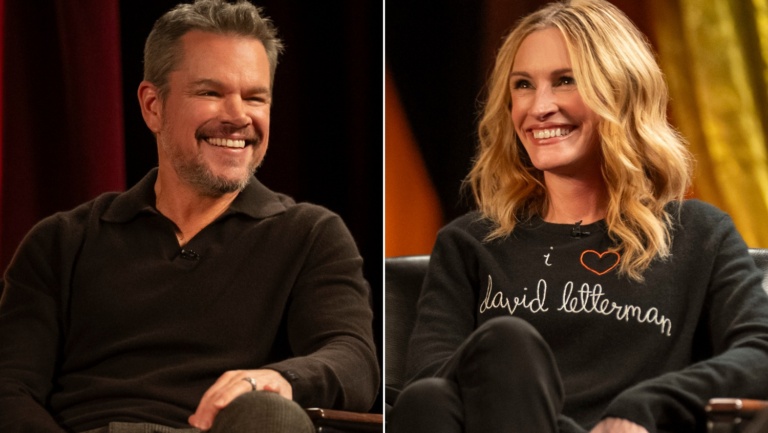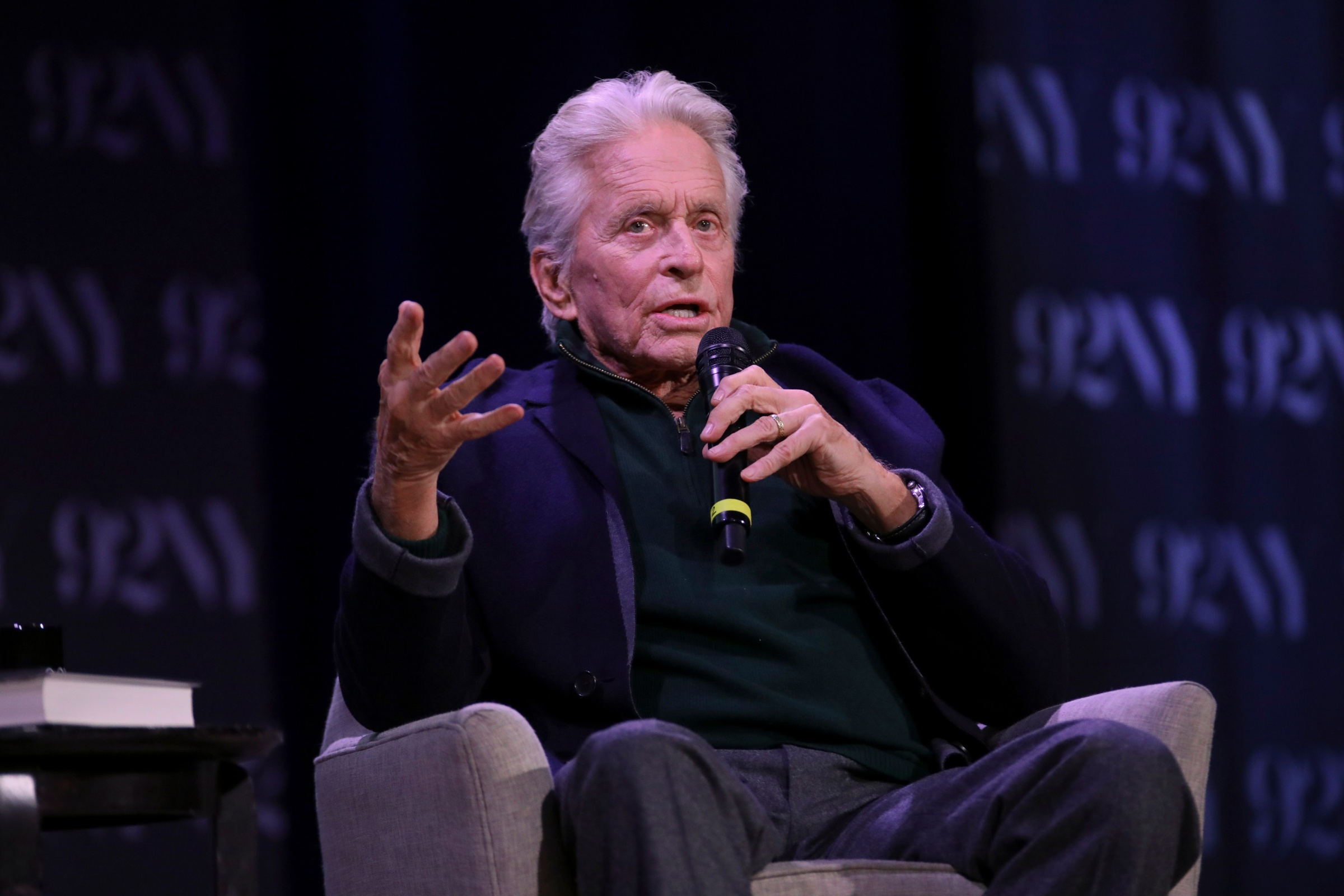
Michael Douglas, the 81‑year‑old actor whose career spans eight decades, shocked fans this week by confessing that he turned down an invitation to appear on the legendary David Letterman talk show. In the same breath, he recalled a moment from 1988 when he whispered an apology to Princess Diana over his on‑screen profanity, a detail that landed in the pages of his newly released memoir, One Helluva Ride.
The revelations arrive at a time when Hollywood is reexamining the old guard’s relationship to the medium’s most visible platforms. A high‑profile figure’s refusal to step into a studio studio that has hosted generations of stars signals a shift in how celebrities curate their public personas. Meanwhile, the memoir’s candid accounts of a personal encounter with royalty stir nostalgia and remind audiences that the line between filmic art and real‑world drama has always been thin.
For Douglas, the decision to pass on Letterman was not a simple footnote. It was an intentional act rooted in a long‑standing discomfort with the show’s late‑night culture, a sentiment that the book details with striking honesty. Coupled with his apology to Diana—an event that would have otherwise slipped into the background of a 1987 blockbuster premiere—these stories paint a picture of a man who carefully weighs his public engagements against the private convictions that have guided him through a prolific career.
Background & Context
The One Helluva Ride memoir, released in early October, chronicles Douglas’s journey from the small stage in London to the silver screen’s apex. Among its most vivid chapters is the 1988 premiere of Wall Street, the film that earned him an Oscar nomination and cemented his status as a Hollywood icon. In the book, he recounts meeting Princess Diana at the Odeon, describing the moment as “the most surreal of my life.” He explains that he was uneasy about the film’s frequent use of profanity, especially the character of Gordon Gekko, and felt compelled to apologize to the princess when she observed his reaction. That private exchange, he says, underscores the tension between art’s demands and personal conscience.
Douglas’s decision to decline an appearance on David Letterman’s show dates back to the 2000s, a period when Letterman was still a juggernaut in late‑night television. In an era when a single studio appearance could boost a star’s visibility or revive a stagnant career, Douglas chose instead to preserve his own standards. His memoir frames this as a deliberate stance against a culture he felt had become too focused on gimmickry and away from the substance he believed films should offer. The book situates his refusal alongside other instances where he has turned down mainstream offers, painting a portrait of an actor who prioritizes authenticity over popularity.
The memoir also contextualizes Douglas’s broader relationship with media. Throughout his career, he has been selective about interviews and public appearances, often preferring thoughtful, long‑form conversations over quick, high‑pressure segments. The Letterman episode is presented as a pivotal moment where this philosophy was tested. The author’s reflections on this episode show a man who has always understood the power of the media’s framing and has chosen to step away when that framing threatened to dilute his message.
What People Are Saying
The public’s reaction to Douglas’s revelations has been immediate and varied. Social media platforms, where fans of all ages share their thoughts, erupted in a mix of admiration and intrigue. Many commenters praised his willingness to be honest about his discomfort with the late‑night environment, framing it as a refreshing departure from the performative obligations that often accompany celebrity appearances. Others expressed fascination at the behind‑the‑scenes account of an apology to Princess Diana, a moment that seemed to blur the lines between celebrity culture and royal grace.
Industry insiders, meanwhile, have taken note of Douglas’s stance as an example of evolving norms in Hollywood. Several veteran producers and directors have echoed his sentiments about the importance of maintaining creative integrity. A few have pointed out that the memoir’s revelations reinforce a trend where established stars are less inclined to grant free publicity on platforms that no longer align with their personal or professional ethics.
Readers of One Helluva Ride have also been vocal about the book’s candidness. Book clubs across the country have begun discussing Douglas’s refusal to appear on Letterman as a case study in how modern actors navigate the relationship between fame and principle. The memoir’s popularity is already reflected in its steady sales and the growing number of signed copies requested by collectors. The book’s impact has sparked conversations about the broader cultural shift toward authenticity in entertainment, with many citing Douglas as a key figure in that shift.
The intersection of Douglas’s career and the cultural moment has also led to a surge of interest in the Wall Street premiere footage. Clips of the event, previously limited to fan sites, have begun to surface on streaming platforms. These uploads, often accompanied by commentary referencing Douglas’s apology, have drawn millions of viewers, underscoring the enduring appeal of moments that capture the human side of stardom.
What Happens Next
Looking ahead, Douglas’s memoir appears poised to shape the trajectory of his public life. While he has yet to commit to a new film role, several projects are in the pipeline, including a rumored biopic about a lesser‑known actor that could offer Douglas another opportunity to explore the nuances of the industry he has long navigated with caution. His publicist has announced an upcoming book tour that will cover major cities, allowing him to engage directly with readers who have been captivated by his candid storytelling.
On the media front, there is speculation that Douglas might eventually reengage with televised interviews, but likely on platforms that allow for a more controlled and reflective dialogue. Some industry analysts believe that his past decision to decline Letterman could open the door for appearances on high‑profile, but lower‑pressure, programs that emphasize substance over spectacle. Others predict that Douglas might use the momentum from his memoir to advocate for more responsible media practices, perhaps partnering with organizations focused on film literacy and media ethics.
In the realm of fan engagement, the memoir’s success has spurred a growing trend of authors and actors sharing more intimate chapters of their careers. Douglas’s example could encourage other stars to follow suit, providing audiences with a more nuanced view of the entertainment world. Meanwhile, the continued discussion surrounding his apology to Princess Diana suggests that moments of personal reflection—especially those involving public figures—will remain a focal point for fans seeking authenticity.
As One Helluva Ride continues to circulate, it stands as proof of a career that has always balanced the demands of the spotlight with a steadfast commitment to personal integrity. Douglas’s story, whether on stage or behind the camera, invites a reevaluation of what it means to be a public figure in a world that constantly seeks the next headline. In a time when the lines between performance and authenticity blur, his narrative offers a compass for both industry veterans and aspiring actors alike.
The Bottom Line
MyWorldPulse sees Michael Douglas’s choice to decline Letterman and his whispered apology to Princess Diana as a clarion call for a more honest Hollywood. In a time when audiences are increasingly skeptical of performative gestures, the 81‑year‑old actor’s candidness re‑establishes the value of substance over spectacle. By prioritizing authenticity, Douglas not only safeguards his own legacy but also offers a blueprint for emerging talent: that career longevity hinges on aligning public actions with personal convictions. The memoir’s revelations remind us that the industry’s gatekeepers must listen to the evolving sensibilities of both creators and consumers. The result is a more thoughtful media landscape—one where meaningful dialogue trumps gimmickry and where actors can shape their narratives without compromising their integrity. MyWorldPulse applauds Douglas for taking this bold step and believes it will inspire a new generation of artists to place principle above pay‑checks and fleeting fame.
Reference:
- Official post on Michael Douglas’s verified Twitter
Read more celebrity news at MyWorldPulse.