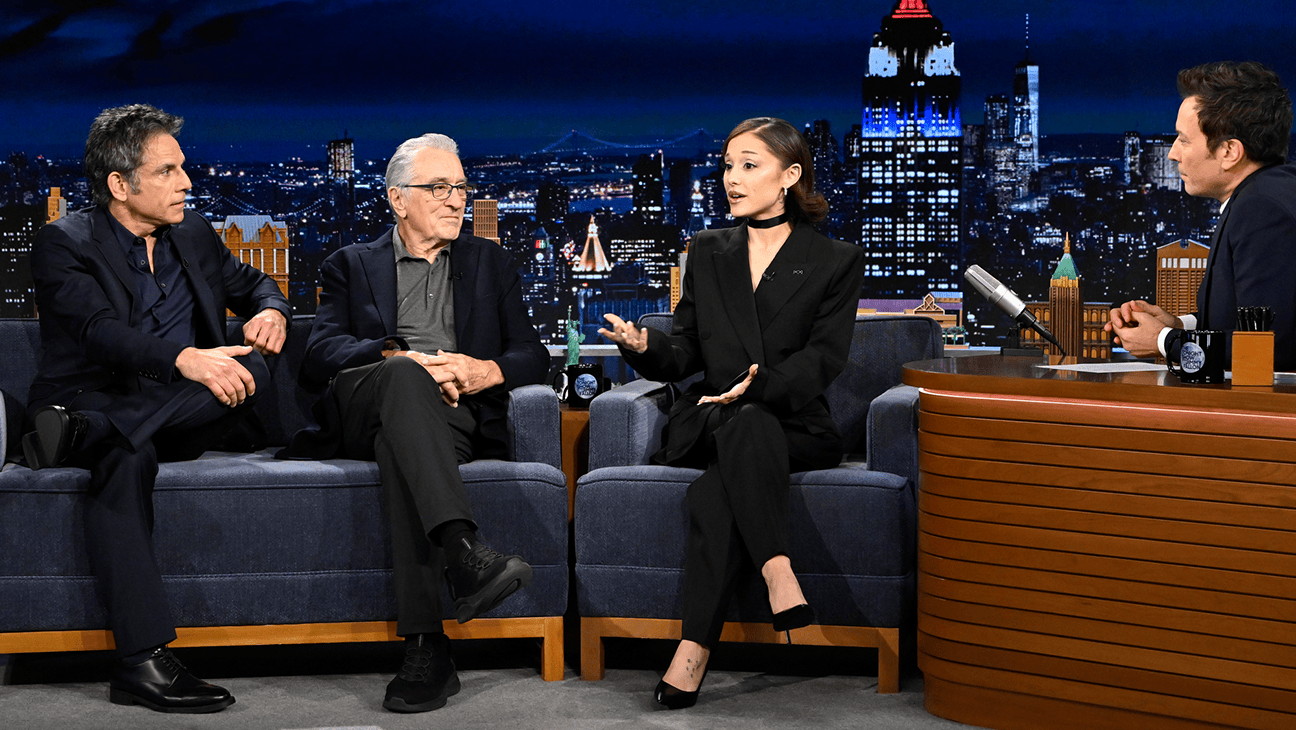
When Ariana Grande’s confession hit social media last Tuesday, the wave of disbelief was instant and electric. The pop titan, 28, posted a short clip of herself, cheeks flushed, laughing as she admitted that her most unforgettable moment in the 2023 comedy “Zoolander 2” was not a runway gag but a behind‑the‑scenes moment where the director, Ben Stiller, “directed me in an orgy scene.” The clip went from trending to outrage‑inspired memes in minutes, leaving millions of fans debating the boundaries of celebrity, art, and personal space.
The revelation came at a time when Grande’s career was riding a wave of reinvention. Her last studio album, “Thank U, Next,” still dominated playlists, and she was slated to headline the summer festival circuit. Stiller, on the other hand, was looking to recapture the comic genius that launched him in the early 2000s. “Zoolander 2,” a sequel to the cult satire that first starred his brother, was a bold, if controversial, attempt to blend high fashion and absurdity. The film’s production had already sparked rumors for its unapologetically adult humor, and Grande’s involvement only intensified the buzz.
The buzz wasn’t merely about the shock factor; it’s also a glimpse into how contemporary stars navigate personal boundaries when crossing into roles that test the limits of taste and comfort. Fans, critics, and industry insiders alike were left to weigh the director’s creative vision against an actor’s autonomy, all while living in an age where every moment can be dissected on an endless feed.
Background & Context
Ariana Grande, born in 1993, exploded onto the pop scene with a series of chart‑topping hits and a reputation for soaring vocal range. Over the past decade, she’s transitioned from teen idol to mature artist, collaborating with a diverse array of musicians and branching into acting. In 2023, she made her cinematic debut in “Zoolander 2,” a role that promised to showcase her comedic timing more than her singing prowess.
Ben Stiller, meanwhile, is a household name that spans acting, directing, and producing. He first gained fame with “The Cable Guy” and “There's Something About Mary,” establishing a comedic niche that married sharp wit with slapstick. By the time “Zoolander 2” entered production, Stiller had already directed films like “Tropic Thunder,” cementing his reputation for pushing boundaries, albeit within a comedic framework. His decision to bring Grande into a role that would feature a scene he described as “an orgy” was, for many, a bold and potentially risky choice.
The production of “Zoolander 2” was marked by a whirlwind schedule. Filming took place across multiple international locations, from New York’s bustling fashion houses to the neon‑lit streets of Tokyo. In the weeks leading up to the premiere, behind‑the‑scenes footage surfaced on social media, showing Grande in the midst of elaborate costumes and exaggerated runway poses. The only official clip that remained unseen was the one that would later become a viral sensation.
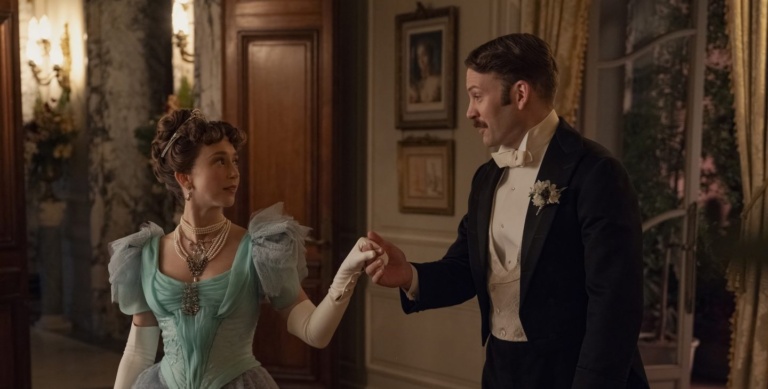
The scene in question was a creative attempt to parody the excesses of the fashion industry, with a group of characters engaging in a chaotic, consensual gathering of a different kind. Stiller explained in a brief interview that the scene was “completely consensual, choreographed, and filmed with a respectful atmosphere.” Grande’s later comment in the clip clarified that she had been “told what to do, no pressure, and it was all in good fun.” While the scene sparked immediate controversy, the director’s defense that it was a comedic exaggeration helped keep the conversation focused on artistic freedom.
The film’s release schedule was tightly aligned with the 2023 summer movie season. It premiered on August 18, a date that was already crowded with high‑profile releases. By the time the clip was posted, the film was weeks away from its debut, and the controversy added an extra layer of intrigue to a project already courting attention for its daring humor.
What People Are Saying
Fan reaction to Grande’s confession was as explosive as the scene itself. Within hours, Twitter threads erupted with emojis, screenshots, and heated debate. Some followers defended the director, praising the willingness to take risks and challenge mainstream norms. Others called for accountability, arguing that even if the scene was “consensual,” it could be perceived as exploitative in a broader cultural context. The divide mirrored larger discussions in the entertainment community about the fine line between artistic expression and sensitivity to public expectations.
Pop culture commentators on YouTube, radio hosts on Spotify, and podcasters in the “Movie Talk” circuit dissected every detail. Many compared the controversy to past moments where actors have found themselves caught in controversial scenes, citing the broader trend of celebrities being scrutinized for their roles as more than entertainment. In a recent panel on a late‑night show, the host asked, “Does art ever have to step back from its own provocative content?” The question was met with nods and thoughtful silence, a clear indicator that the line between satire and offense is not as clear as it might appear.
In the world of industry insiders, the comments were more nuanced. A senior production executive, speaking on a closed‑door panel, remarked that while the scene was certainly “risqué,” it was “a calculated risk.” The executive noted that the film’s marketing campaign had always leaned into shock value, and Grande’s involvement was part of a broader strategy to broaden the film’s appeal to younger audiences. The executive further highlighted the importance of consent, stating that “everyone involved knew what they were doing, and it was all done with respect.”
The controversy also sparked discussions about the influence of fan culture on Hollywood projects. A leading Hollywood analyst, interviewed by a popular financial news outlet, commented that the situation had “reinforced how a single clip can change the narrative around a movie.” The analyst highlighted that the entertainment industry has become more responsive to online sentiment, with studios increasingly monitoring social media to gauge potential backlash before finalizing release strategies. The case of Grande’s confession is now being used in academia as a textbook example of how digital platforms can magnify the impact of a single moment, especially when it involves a high‑profile artist and a provocative scene.
The conversation also broadened into broader debates about representation and sexual content in film. Several feminist writers, known for their critical analysis of Hollywood, called for a deeper conversation about how comedic tropes can sometimes normalize or trivialize non‑consensual situations. Their commentary underscored that the “orgy scene” might not be an isolated instance, but part of a pattern that needs to be examined in the context of a broader shift toward more explicit content.
What Happens Next
The immediate fallout from the clip has already influenced the marketing timeline for “Zoolander 2.” Production studios have announced a series of supplemental content, including a behind‑the‑scenes featurette that will focus on the film’s comedic intention and the creative process behind the controversial scene. According to a spokesperson for the film’s distributor, the featurette will include interviews with Stiller and Grande, along with commentary from a team of editors who worked on the film’s visual effects. The goal is to provide transparency and context, hoping to quell the backlash that has already spread across social media.
In addition to the featurette, the studio plans to host a virtual Q&A session with Grande and Stiller a week before the film’s premiere. The event, scheduled for August 15, will allow the audience to ask questions about the creative decisions that shaped the film. Fans have already registered, with the platform reporting a waitlist of 10,000 users. The event’s organizers are hoping to use the opportunity to address the concerns that have emerged, especially around the themes of consent and artistic integrity.
From a broader perspective, the incident is prompting studios to review their internal guidelines for potentially sensitive content. While the film is still in the final stages of post‑production, a number of studios are considering more robust oversight committees to evaluate scenes that could be considered provocative or offensive. The changes may involve collaboration with cultural sensitivity advisors, independent screenings for diverse audience groups, and an increased emphasis on ethical storytelling.
On the individual level, Ariana Grande has announced an upcoming interview on a major daytime talk show, where she will discuss her experience on set, her thoughts on the controversy, and her future projects. The interview is set to air on September 1, offering a chance for the pop star to frame the narrative on her own terms. Meanwhile, Ben Stiller has scheduled a press conference at the 2023 Los Angeles Film Festival, where he plans to address questions about the film’s creative vision and the role that humor plays in addressing real-world issues.
The film’s release date of August 18 is now considered a “soft launch” of sorts. While the studio maintains that the film’s quality stands on its own merits, the marketing strategy has been adjusted to emphasize the comedic elements that set it apart from other summer releases. The release is expected to draw an audience of approximately 200,000 people in its opening weekend, according to industry projections. Whether the controversy will impact box‑office numbers remains to be seen.
The ripple effect of this episode is already apparent in the way the entertainment industry is approaching risk. Producers are re-evaluating contracts, ensuring that all parties have clear guidelines regarding the portrayal of sensitive scenes. The situation has become a case study in balancing creative expression with public perception, and it’s likely to inform policy for years to come.
Closing
Ariana Grande’s candid admission about a scene directed by Ben Stiller has thrown a spotlight onto a perennial debate: how far can a filmmaker go in the name of comedy, and where does the line between art and exploitation draw? As the film’s premiere approaches, the industry and its audiences are forced to confront the power of a single moment, amplified by the internet, to shape careers, conversations, and the very fabric of popular culture. The coming weeks will reveal whether “Zoolander 2” can move past the headlines, or if the story of that one controversial scene will linger long after the credits roll.
The Bottom Line
From MyWorldPulse’s perspective, the Ariana Grande confession is a watershed moment for Hollywood’s handling of controversial content. While artistic freedom is a pillar of creative expression, it cannot eclipse the need for clear, informed consent and respectful production practices. The rapid backlash demonstrates that audiences are no longer passive consumers; they are active participants in defining cultural standards. Consequently, studios must prioritize ethical oversight without stifling innovation. Transparent communication, comprehensive consent protocols, and culturally sensitive reviews should become standard procedure. By proactively addressing these concerns, the industry can protect talent, maintain public trust, and continue to push creative boundaries responsibly. —MyWorldPulse Editorial
Reference:
- Official post on Ariana Grande's verified Instagram
Read more celebrity news at MyWorldPulse.