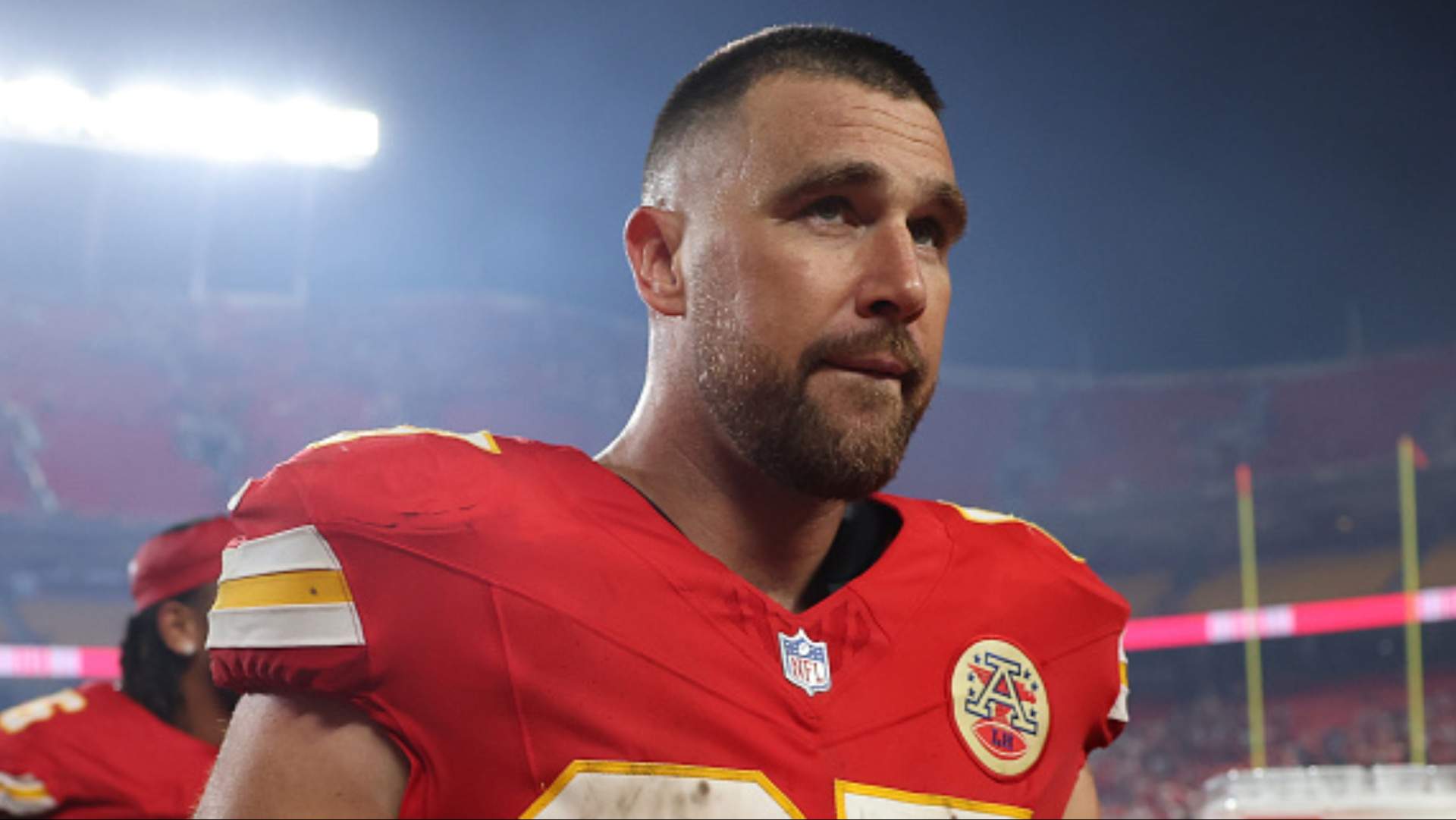
“You know, that’s football,” Kelce said, the weary smile betraying a sharper edge than most hear.
On Sunday, November 15, the Kansas City Chiefs’ star tight end suffered a painful ankle twist in the third quarter of their 28‑22 loss to the Atlanta Falcons. The injury had already plagued him for a month, beginning with a fall in the October 18 clash against the Los Angeles Chargers. After a brief tackle early in the first quarter of the Falcons game, Kelce limped off, tape applied, and later returned for a stint in the second quarter. Yet the moment that drew a storm of speculation was a second tackle on his right ankle that cut deep enough to halt his momentum. In a Wednesday episode of the “New Heights” podcast, his brother Jason listened to a fan’s question about whether the Falcons’ safety DeMarcco Hellams had “intentionally dirty” him, a question that sparked a conversation about player safety, injury reporting, and the thin line between aggressive play and unsportsmanlike conduct.
The conversation was more than a post‑game rant; it was a mirror of an ongoing debate across the NFL. The injury reports are publicly visible, and so are the moments when a player like Kelce, who has a 7‑2 record with the Chiefs, lands on the ground in a vulnerable position. Fans, analysts, and teammates alike weigh in, and the league is watching as a high‑profile player steps up to speak out. The stakes are clear: the balance between toughness and safety, the integrity of the game, and the health of its athletes.
Background & Context
Travis Kelce’s ankle saga began with a high‑ankle sprain in late October, a common but serious injury for a player who relies on explosive cuts and bursts of speed. The Chiefs’ medical staff kept the injury in the public eye by updating the NFL’s injury report, a practice that meant opposing teams, including the Falcons, were well aware of Kelce’s status. Yet, during a critical moment of the November 15 game, Falcons safety DeMarcco Hellams collided with Kelce’s ankle in a manner that many fans felt was harsh. The tackle caused a sharp pain, forcing Kelce off the field and into the medic’s tent. The incident landed on the “New Heights” podcast, a platform co‑hosted by the Kelce brothers that has become known for candid discussions about football culture.
Jason Kelce, now a retired center for the Philadelphia Eagles, seized the opportunity to broach a larger issue. He pointed out that the league’s granular injury reports might inadvertently give opponents a tactical advantage. “If they know there’s a knee injury, they’re gonna go low. If they know, like, a quarterback has a specific hand that’s hurt, they might go after the hand,” he explained, drawing a parallel to the NHL, where injuries are broadly categorized as upper‑body or lower‑body without specifying the exact location. Jason’s remarks highlighted a systemic tension: transparency for player safety versus the potential for intentional targeting.
Travis’s own response, meanwhile, was measured. He admitted that the tackle was painful but refrained from labeling it as a “dirty” move. “I don’t know if that was the case; the way he tackled me… and I just got caught in a bad position,” he said. “You know, that’s football.” By framing the incident as part of the game's inherent risks, Kelce emphasized the fine line between aggressive play and unsportsmanlike conduct. He also made it clear that, despite the pain, the play itself did not warrant a flag or fine, at least in his view. “I don’t think it was, you know, crazy enough for it to get a flag or it to be a fine or anything like that,” he added.
What People Are Saying
Kelce’s comments have struck a chord with many fans who see the incident as a microcosm of broader safety concerns. On social media, threads erupted with screenshots of the injury report, the tackle clip, and Kelce’s podcast excerpt. While the conversation quickly diversified, the central question remained: does a publicly known injury create an implicit target for opponents? Kelce’s answer, “I just got caught in a bad position,” resonated with those who believe that football’s culture of “toughness” should not be interpreted as a green light for intentional harm. The debate has reignited discussions about the adequacy of current safety protocols and whether the NFL’s emphasis on transparency may need recalibration.
Jason Kelce’s suggestion about revising injury reporting has gained traction among players and former professionals. The idea of grouping injuries into broad categories could reduce the strategic advantage that defensive players might otherwise gain. “I’m not saying we shouldn’t know what’s wrong,” Jason said in the podcast, “but maybe the league can find a middle ground.” Though the league has not yet indicated a move toward such changes, the conversation is part of a growing chorus calling for policy revisions that balance player safety with competitive fairness.
Within the Chiefs’ locker room, the incident has fostered an atmosphere of cautious optimism. Coaches have kept Kelce on a monitored roster, limiting his snaps while ensuring he is ready for the upcoming Sunday game against the Arizona Cardinals. The 7‑2 team, confident in their depth and resilience, has expressed support for the star tight end’s decision to push through a painful ankle. The team’s medical staff remains vigilant, offering treatments designed to accelerate healing without compromising performance. The broader NFL community watches closely, aware that the league’s handling of this high‑profile case could set a precedent for how injuries are reported and defended against.
What Happens Next
As the Chiefs prepare for their next contest, Travis Kelce remains committed to staying on the field. “I’m ready to rock and roll this week,” he said on the podcast, his tone unbroken by the lingering discomfort. Yet he acknowledged that continued play might slow his recovery. “I’m going to be careful; I think I need to be patient so I can get better fast,” he added, hinting at the delicate balance between personal ambition and long‑term health.
The Chiefs’ medical team is scheduled to conduct a thorough evaluation of Kelce’s ankle, including imaging and a possible physiotherapy program. Depending on the findings, the team may adjust his workload for the remainder of the season. In the event that the injury does not heal as expected, a more conservative approach may involve limited participation or a temporary exit from the lineup. The Chiefs have historically managed key players with a blend of cautious patience and strategic deployment, ensuring that star talent does not come at the expense of career longevity.
From a league perspective, the conversation sparked by the Kelce brothers may prompt the NFL to reassess its injury reporting policies. If a shift toward broader categories is adopted, it could influence the way defensive strategies are devised, potentially reducing intentional targeting based on known injuries. However, any such change would require consensus among teams, players, and the league office, and it would need to be weighed against the benefits of transparency for fan engagement and player safety.
Ultimately, the narrative that unfolds will be guided by the Chiefs’ performance in the coming weeks and the broader NFL community’s willingness to address the fine line between aggression and safety. For Travis Kelce, the journey continues with a cautious yet resolute stride, determined to play for his teammates while navigating the challenges posed by an injury that could have altered the course of a championship‑seeking season.
The week ahead will test the resilience of a player who has proven, time and again, that his heart is as strong as his physical presence. Whether the league follows suit in modifying injury protocols remains to be seen, but the conversation ignited by Kelce’s candid reflection has already left its mark on the sport.
The Bottom Line
MyWorldPulse.com believes the Kelce incident exposes a critical flaw in the NFL’s current injury‑reporting system. While transparency is vital for fan engagement, publicly detailed injury data can be weaponised, creating a dangerous precedent where teams deliberately target known weaknesses. The league must explore a middle ground—categorising injuries into broad groups to protect athletes without compromising the competitive integrity that fans cherish. Such a shift would demonstrate leadership, potentially setting a standard for other sports leagues grappling with similar concerns. In a culture that prizes toughness, it is time to redefine resilience to include proactive safety measures. The conversation sparked by Kelce’s candid comments is not just about one player; it’s a call for systemic reform that will benefit players, teams, and the sport’s long‑term credibility. MyWorldPulse supports any initiative that prioritises athlete health while preserving the thrilling unpredictability of football.
Reference:
- Jason Kelce's X post on injury reporting
- Travis Kelce's X post about his ankle injury
Read more celebrity news at MyWorldPulse.