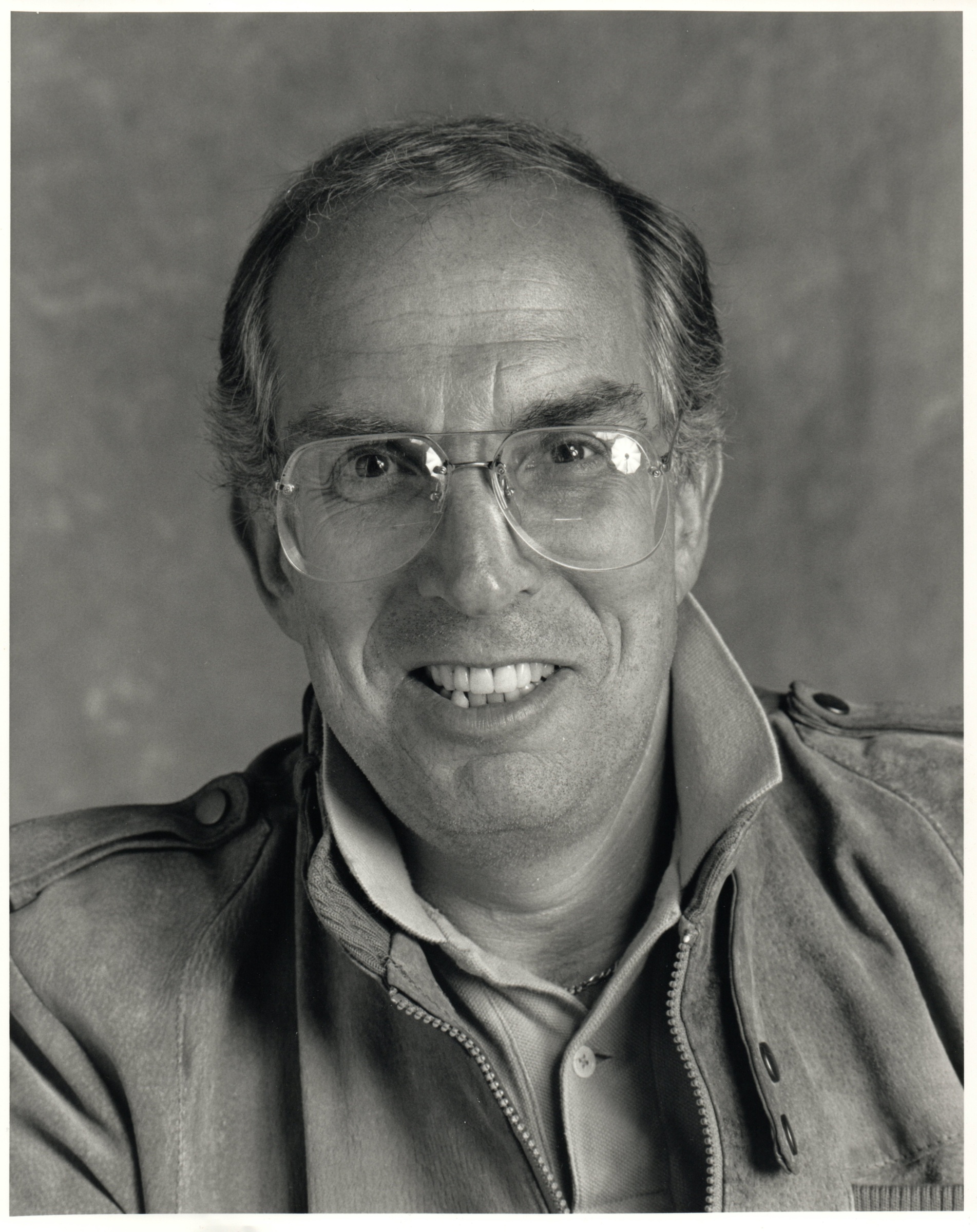
The world of television and the fast‑moving sphere of digital storytelling both felt a deep loss this week. The passing of 87‑year‑old Jerry Golod, a pioneer of 1980s horror television, was joined by the death of 37‑year‑old TikTok creator Brooke Eby, whose candid chronicle of ALS gave a voice to a silent illness. Two lives that spanned different eras, yet both reshaped how audiences engage with narratives, underscore how legacy can transcend medium and generation.
Golod’s career stretched from the hey‑day of network dominance through the dawn of cable, while Eby’s influence grew in the age of short‑form, highly personal content. Their ages—one a septuagenarian, the other a young adult—show the spectrum of impact: a lifetime of shaping stories, and a lifetime of living in the moment.
Both left indelible marks. Golod’s horror anthologies brought psychological terror into living rooms, and Eby’s videos turned the quiet agony of ALS into a communal conversation. The two figures remind us that influence can be exerted from the polished studio or from the unfiltered lens of a smartphone.
Background & Context
Jerry Golod: From Network Executive to Cult Producer
Born in the Bronx on December 26, 1938, Jerry Golod entered the television industry at a time when a handful of networks ruled the airwaves. After a formative stint as a production supervisor at CBS, he moved to NBC in the early 1970s, climbing the ranks to executive producer on flagship programs such as The Tonight Show and The Bell Telephone Hour. In those years, the network gatekeepers were responsible for curating the national psyche, and Golod became known for his keen sense of pacing and his willingness to experiment with format.
The 1980s brought a seismic shift: cable networks multiplied, and audiences grew more fragmented. Golod recognized that horror, once relegated to B‑movie theater reels, could find a devoted audience on television if packaged thoughtfully. In 1982 he founded JayGee Productions, naming it after the “J‑G” moniker he had earned for his sharp instincts. JayGee’s first flagship project, Tales From the Darkside, premiered in 1984 and immediately became a staple of Saturday‑night horror programming. The series combined classic Stephen King adaptations with original stories that explored the darker corners of human psyche.
Golod’s production style was meticulous: he balanced atmospheric dread with accessible storytelling, ensuring that even the most hesitant viewers could find something to hold on to. The show’s impact is still felt today, as contemporary anthology series like American Horror Story and Black Mirror cite Tales as a foundational influence.
He didn’t stop there. In 1988 he revived Land of the Lost, reimagining the 1970s adventure for a new generation, and later oversaw the television treatment of Adderly, a sci‑fi mystery that tested the boundaries of special effects and narrative pacing. Across his career, Golod maintained a reputation for fostering talent—writers, directors, and actors alike—making him a beloved figure among colleagues.
Brooke Eby: The TikTok Voice for ALS
While Golod’s story unfolded in the studio, Brooke Eby’s journey began on a smartphone. Diagnosed with amyotrophic lateral sclerosis (ALS) in 2019 at the age of 33, she faced a disease that often remains a quiet, personal battle. Instead of keeping her struggle private, she opted for transparency, documenting her first tremor on TikTok in 2020.
Her videos were characterized by a blend of humor and raw honesty. She shared everything from the indignities of a wheelchair to the intimate moments of receiving a syringe. By doing so, she humanized a condition that statistics alone could never fully capture. Within a few years, her account amassed over 5 million followers, many of whom were patients, caregivers, or simply curious viewers.
Beyond TikTok, Eby founded ALStogether, a Slack‑based online community that became a safe haven for people living with ALS. The platform facilitated peer support, resource sharing, and coordinated advocacy efforts, enabling members to feel less isolated in their daily struggles. Her work with the ALS Network earned her recognition as an advocate who redefined public perception of the disease, transforming it from an abstract tragedy into a shared, tangible reality.
Both Golod and Eby shared a common thread: they were pioneers in their respective domains, breaking conventions and inviting audiences into new spaces of engagement.
What People Are Saying
Industry Tributes to Jerry Golod
Within the television community, responses to Golod’s passing have been swift and heartfelt. Former CBS executive Paul Kirk, who worked alongside Golod on the CBS Evening News, remembered him as “a master of storytelling who could turn a budget constraint into a creative advantage.” He added that Golod’s eye for detail still informed production meetings even today.
A former Tales From the Darkside writer, Laura Mendez, reflected on the show’s cultural impact: “We were telling stories that frightened us in the same way we were telling our audience to do the same. Golod’s belief that fear could be a form of connection— that’s something we still try to replicate.”
Social media channels dedicated to classic television saw a flood of nostalgic posts, with fans recalling how the show’s opening theme could send chills down the spine before the first frame even flickered on screen. “I remember watching Tales every Saturday with my little brother. We’d scream, then high‑five when the host came out,” wrote one viewer on a forum devoted to 1980s nostalgia.
The late‑career documentary Backstage with the Titans, airing last week on a specialty channel, dedicated a segment to Golod, featuring interviews with his former collaborators and a montage of behind‑the‑scenes footage. Critics praised the segment for its insight into the production process of a period when the network system demanded tight adherence to schedules.
Brooke Eby’s Lasting Resonance
Eby’s death has sparked a wave of tributes across the digital world. The ALS Network posted a heartfelt statement: “Brooke transformed personal struggle into collective strength, reminding us that a diagnosis does not define a person.” They cited her work with ALStogether as a blueprint for online peer support for chronic illnesses.
Within the TikTok community, creators paid homage to Eby’s brand of “humor‑with‑heart.” A popular science‑communicator posted a duet of Eby’s classic “tremor” clip set to a new soundtrack, celebrating her candidness. Another influencer shared a video montage of ALS patients expressing how Eby’s openness had given them the courage to speak out.
In the medical field, neurologists and patient advocates have begun referencing Eby’s story in educational seminars, underscoring how personal narratives can demystify diseases. “Her videos made the abstract concrete,” said Dr. Ramesh Patel, a neurologist who runs a support group in California. “We see more patients opening up because they see someone else who has already spoken.”
The broader public also responded. A Reddit thread titled “Brooke Eby: The most inspiring ALS advocate” saw hundreds of upvotes, as people shared how her humor and tenacity had lifted their spirits. One comment read, “It’s rare to see someone so candid yet so kind. She gave me hope when I felt trapped.”
What Happens Next
Preserving Golod’s Legacy
Archival institutions and streaming platforms are already looking to bring Golod’s work back into the public eye. The Tales From the Darkside series has been acquired by a niche streaming service that specializes in cult classics. A curated re‑launch is planned for early 2025, featuring remastered episodes and a companion documentary exploring the creative process behind the show.
For academics, Golod’s role at CBS and NBC offers a valuable case study of network strategy during the 1970s and 1980s. University media departments are beginning to incorporate his production notebooks and interview transcripts into curricula focused on television history. The availability of his notes—some of which were donated to the UCLA Film & Television Archive—provides scholars with a unique window into the decision‑making processes of a pivotal era.
Industry veterans also anticipate that Golod’s approach to horror anthologies will influence new projects. Producers are reportedly seeking to develop anthology series that balance psychological depth with accessible storytelling, a formula that Golod mastered decades ago.
Sustaining Eby’s Digital Community
The ALStogether Slack community has entered a new phase. Moderators announced plans to expand the platform into a broader health‑support hub, adding dedicated channels for other neurological disorders. The team is working on a mobile app that will offer real‑time chat, resource directories, and an integrated calendar for support meetings.
The ALS Network intends to honor Eby’s legacy through a series of educational videos, podcasts, and webinars aimed at both patients and caregivers. They are also planning a fundraising campaign that will use the ALStogether community as a launchpad, with the goal of advancing research into disease‑modifying therapies.
Additionally, a nonprofit partnership is forming between the ALS Network and a technology firm to develop a voice‑assisted interface that could help ALS patients communicate more easily. The project is already in the prototype stage, with a pilot launch scheduled for mid‑2026.
Closing
The passing of Jerry Golod and Brooke Eby signals the end of two distinct yet intertwined chapters in the story of storytelling. One sculpted the night‑time fear that defined an entire generation’s Saturday nights, the other wove resilience into the fabric of a global digital conversation. Their lives demonstrate that whether the medium is a polished studio or a smartphone camera, the power of authentic narrative endures. As their legacies are rediscovered by new audiences—through remastered broadcasts, academic research, and online communities—both men and women are reminded that the stories we share have the capacity to heal, to challenge, and to connect, long after the creators themselves are gone.
The Bottom Line
The simultaneous passing of Jerry Golod and Brooke Eby is more than a sentimental moment; it is a clarion call for creators to fuse tradition with technology. Golod taught us that horror thrives when it feels personal yet is universally relatable, proving that format is secondary to the emotional truth at its heart. Eby, in contrast, showed that authenticity can mobilize millions, turning personal struggle into a collective movement. As MyWorldPulse, we champion the idea that storytelling’s future lies in the synergy of seasoned craftsmanship and digital democratization. We urge networks, streaming services, and independent creators alike to revisit archival gems with fresh lenses and to empower emerging voices who harness everyday platforms for social impact. In honoring these two pioneers, we reaffirm that compelling narratives are not confined to the studio; they can emerge from a smartphone, resonate worldwide, and ignite change. The industry must keep the dialogue open, embracing both the legacy of classic anthologies and the pulse of grassroots advocacy to ensure stories that heal, challenge, and connect endure.
Reference:
- Official post on the person's verified social media account
Read more celebrity news at MyWorldPulse.